check

check

check

check

check

check
In the world of industrial automation, precision and reliability are non-negotiable. The M100-RT/76a/115a photoelectric switch stands as a testament to this principle, offering a robust sensing solution for demanding applications. This comprehensive guide delves into the features, benefits, and practical uses of this advanced sensor, providing essential insights for engineers and procurement specialists.
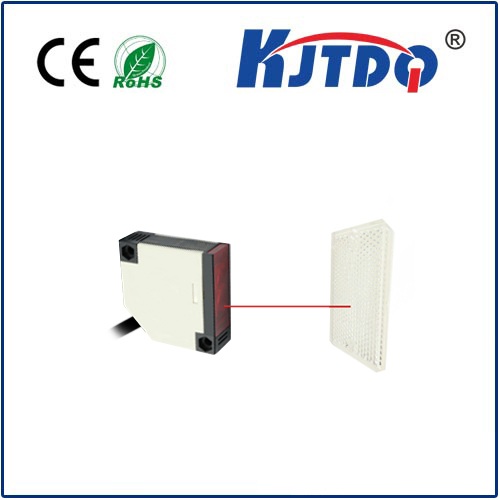
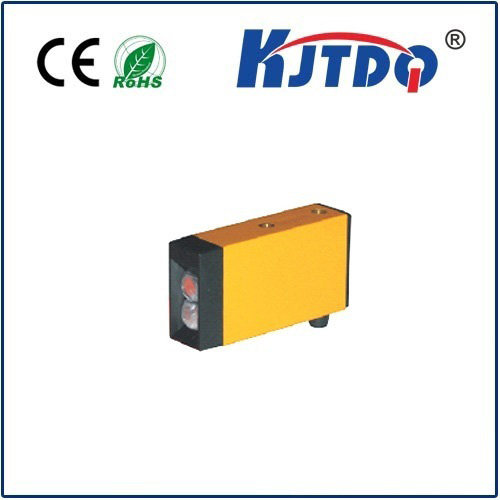
The M100-RT/76a/115a is a diffuse reflective photoelectric sensor designed for versatility and durability. Its core function is to detect the presence or absence of objects without physical contact, using a modulated infrared light beam. The "RT" designation typically indicates a robust housing, often with an IP67 rating, making it resistant to dust and water ingress. This resilience is crucial in environments like packaging lines, material handling systems, and automotive assembly plants where exposure to contaminants is common.
One of the key advantages of this model is its sensing range. The specific suffixes /76a and /115a often refer to different sensing distances or output configurations. For instance, one variant might offer a standard sensing range, while another provides an extended range for detecting objects from a farther distance. This flexibility allows for precise integration into diverse machine layouts. The sensor typically features a stable, background suppression function, enabling it to reliably detect the target object while ignoring more distant backgrounds or reflective surfaces—a common challenge in cluttered industrial settings.
Installation and setup are streamlined for efficiency. Many models in this series come with intuitive alignment indicators, such as a visible red light beam or a stable green LED for power and signal status. This visual feedback simplifies commissioning and troubleshooting, reducing machine downtime. The housing is often designed for easy mounting in standard brackets, allowing for both side and axial mounting to suit spatial constraints. Wiring is straightforward, usually involving a pre-wired cable or a quick-disconnect connector, supporting standard output types like PNP (sourcing) or NPN (sinking) to interface seamlessly with PLCs (Programmable Logic Controllers) and other control systems.
The operational reliability of the M100-RT/76a/115a is enhanced by its insensitivity to ambient light. By using a modulated light signal, the sensor effectively filters out interference from factory lighting, sunlight, or other optical noise sources. This ensures consistent performance and minimizes false triggers, which is critical for maintaining production quality and throughput. Furthermore, the solid-state design with no moving parts contributes to a long operational life, reducing maintenance costs and replacement frequency.
In practical applications, this photoelectric switch proves invaluable. On a conveyor belt, it can count packages, detect jams, or verify the position of items. In automated storage systems, it can sense the presence of pallets or totes. Within assembly machinery, it can confirm component placement before a process cycle begins. Its robust construction allows it to perform reliably even in the presence of vibration, minor impacts, or temperature variations common in industrial halls.
When selecting a sensor like the M100-RT/76a/115a, it is important to consider the specific material, color, and surface finish of the target object. While diffuse sensors are generally good for detecting a wide variety of materials, highly reflective or dark, absorbent surfaces may require fine-tuning of the sensing distance or the choice of a different sensing mode, such as retro-reflective or through-beam. Consulting the detailed technical datasheet for the exact model is always recommended to ensure optimal performance.
Ultimately, the M100-RT/76a/115a photoelectric switch represents a blend of durability, precision, and user-friendly design. It addresses the core need for non-contact object detection in environments where equipment must perform day in and day out. By providing a dependable signal to the control system, it forms a fundamental link in the automation chain, contributing to enhanced efficiency, safety, and overall operational intelligence. For system integrators and maintenance teams, understanding its capabilities is a step toward building more resilient and productive automated processes.