check

check

check

check

check

check
In the world of industrial automation, precision and reliability are non-negotiable. The E3JK-DN11-C photoelectric switch stands as a cornerstone component for countless sensing applications, offering a blend of durability and performance that engineers and system integrators have come to rely on. This comprehensive guide delves into the features, applications, and benefits of this versatile sensor, providing essential insights for professionals seeking to optimize their operations.
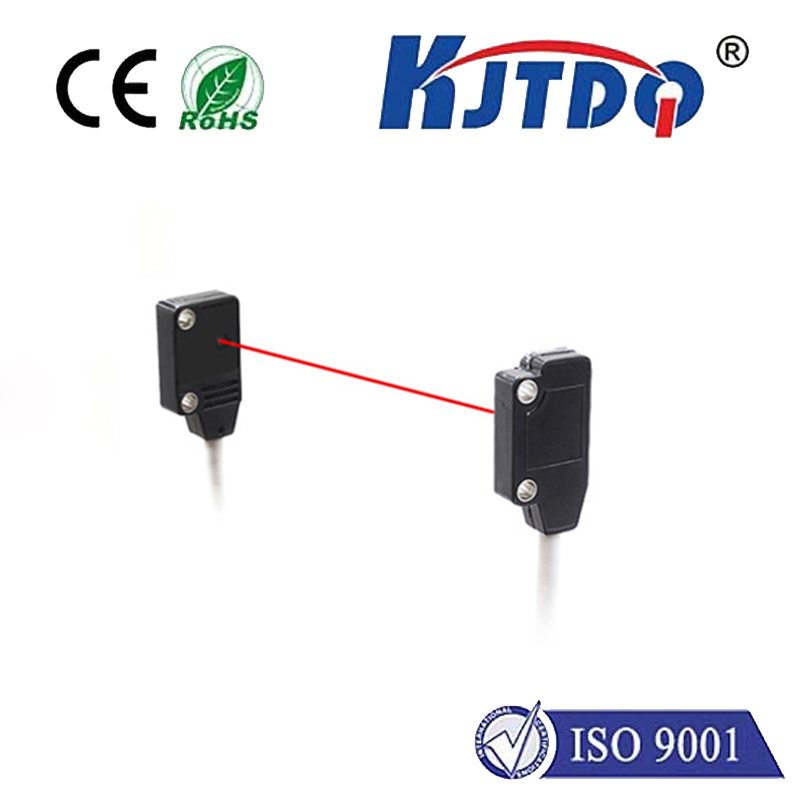
The E3JK-DN11-C is a diffuse-reflective photoelectric sensor. Unlike through-beam or retro-reflective models, it houses both the light emitter and receiver in a single unit. It operates by projecting a light beam—typically infrared or visible red—toward a target. The sensor detects the target when the light reflects off the object's surface and returns to the receiver. This self-contained design simplifies installation, as it requires wiring on only one side, eliminating the need for a separate reflector or receiver unit across the detection path.
A key specification of the E3JK-DN11-C is its sensing distance. This model is engineered for medium-range detection, reliably sensing objects up to 1 meter away. This range makes it exceptionally suitable for applications where objects pass within a defined zone, such as on conveyor belts, in packaging machinery, or at entry/exit points. The sensor features a stable sensing capability even for objects with varying colors or surface finishes, thanks to advanced circuitry that compensates for background interference.
Durability is a hallmark of this photoelectric switch. Housed in a rugged, resin-bodied enclosure, it boasts an IP67 protection rating. This signifies complete protection against dust ingress and the ability to withstand temporary immersion in water up to 1 meter deep. Consequently, the E3JK-DN11-C performs flawlessly in harsh industrial environments exposed to oil, coolant sprays, dust, and moisture. Its robust construction ensures a long operational life with minimal maintenance, reducing downtime and total cost of ownership.
Electrical integration is straightforward. The switch operates on a 12-24V DC supply, a standard in industrial control panels. It provides a solid-state NPN output configuration, which is commonly used in programmable logic controller (PLC) input modules. The output is in a normally-open (NO) mode, meaning the circuit closes and sends a signal to the controller when an object is detected. This reliable digital signal is crucial for triggering subsequent actions in an automated sequence, such as stopping a motor, incrementing a counter, or activating a robotic arm.
The practical applications of the E3JK-DN11-C are vast. In material handling, it is indispensable for detecting the presence of boxes on a conveyor, ensuring proper spacing and preventing jams. In assembly lines, it verifies the passage of components, enabling precise timing for robotic operations. It can also serve as a safety device, monitoring guard door positions or ensuring a work area is clear before initiating a machine cycle. Its versatility extends to automated storage and retrieval systems, printing machinery, and food processing equipment.
When selecting a sensor like the E3JK-DN11-C, several factors must be considered. The detection range must match the application's physical layout. The target material's color and reflectivity can affect performance; testing with the actual object is always recommended. Environmental conditions, such as ambient light, temperature extremes, and potential contaminants, must align with the sensor's IP rating and operational specifications. Proper alignment during installation is critical for diffuse sensors, and many models include a visible LED beam or a sensitivity adjustment potentiometer to aid in setup and fine-tuning.
In comparison to other sensing technologies like inductive proximity sensors (which only detect metals) or capacitive sensors, photoelectric switches offer the distinct advantage of detecting virtually any solid object, regardless of material. The E3JK-DN11-C, with its balanced range and robust build, provides a cost-effective and reliable solution for non-contact detection needs where versatility and environmental resistance are paramount.
For maintenance, keeping the lens clean from dirt and debris is the primary requirement to ensure consistent performance. Periodic checks for secure mounting and cable integrity will prevent unexpected failures. By integrating a reliable component like the E3JK-DN11-C into a system, businesses can achieve higher levels of automation efficiency, improved product quality through consistent detection, and enhanced overall equipment effectiveness. Its proven design continues to be a trusted choice for engineers building resilient and productive industrial systems.