check

check

check

check

check

check
In the realm of industrial automation, precision and reliability are non-negotiable. The KJTDQ E3Z-T61-DT-D photoelectric switch stands as a testament to this principle, offering a robust sensing solution for diverse and demanding applications. This device exemplifies the integration of advanced optical technology with practical design, engineered to deliver consistent performance where it matters most.
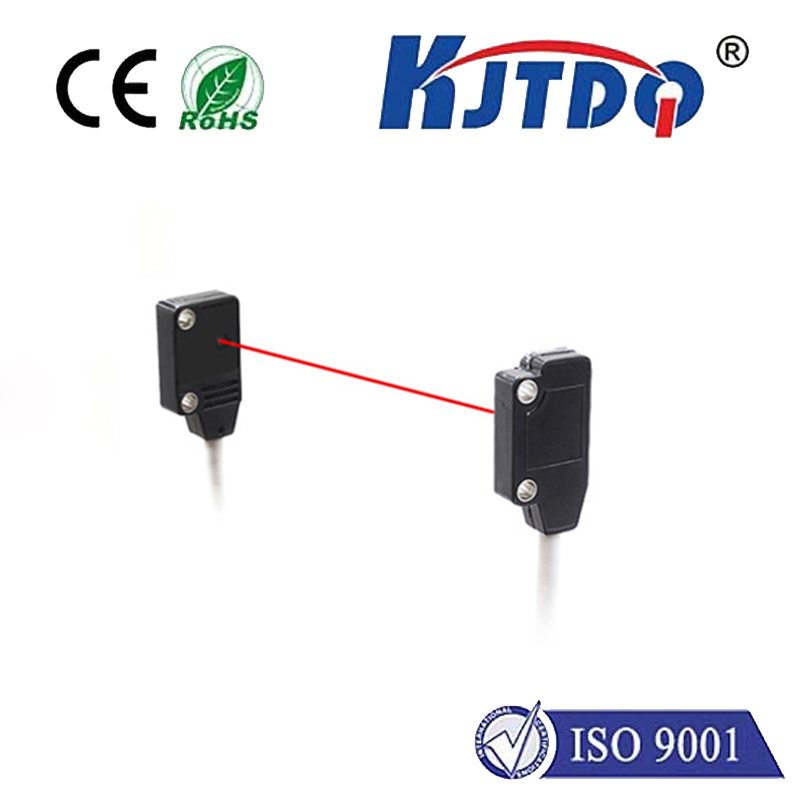
The E3Z-T61-DT-D is a through-beam type photoelectric sensor. This design features a physically separate emitter and receiver unit. The emitter projects a focused beam of light, typically infrared or visible red, across a defined distance. The receiver, positioned opposite, detects this beam. An object is sensed when it interrupts this light path between the two units. This fundamental operating principle grants the through-beam model significant advantages, primarily its long sensing distance and high immunity to environmental interference such as dust, steam, or target surface characteristics like color or reflectivity. The "DT" in its model name often indicates a built-in timer or specific output configuration, adding to its functional versatility.
The applications for this sensor are extensive across modern manufacturing and logistics. It is indispensable in object detection on high-speed conveyor lines, ensuring precise counting and sorting of packages, bottles, or components. In automated assembly systems, it provides accurate positioning feedback for robotic arms or verifies the presence of parts before a critical process step. Furthermore, it serves as a reliable safety interlock in machinery, detecting gate positions or the presence of personnel in restricted zones, thereby helping to prevent accidents. Its robust housing is designed to withstand typical industrial environments, including minor vibrations, airborne particulates, and varying ambient light conditions.
When selecting a photoelectric switch like the E3Z-T61-DT-D, several technical specifications are crucial. The sensing distance, which for through-beam types can be several meters, must be appropriate for the application gap. The light source type (infrared for discretion, red for easy alignment) and response time are vital for high-speed operations. The output type, whether NPN or PNP transistor, must be compatible with the host programmable logic controller (PLC) or control system. Environmental ratings, such as IP67 for protection against dust and temporary water immersion, ensure long-term durability. The KJTDQ series is recognized for maintaining tight tolerances on these parameters, ensuring minimal drift and long-term stability.
Installation and alignment, while straightforward for through-beam sensors, require attention to detail. The emitter and receiver must be securely mounted on stable surfaces, precisely opposite each other, and aligned so the beam is received at its optimal strength. Many models feature alignment indicators, such as LED lights that change color or brightness based on signal strength, greatly simplifying setup. Regular maintenance involves keeping the lenses clean from obstructions and periodically checking the mounting stability and electrical connections to prevent false triggers or failures.
Compared to other sensing technologies like proximity (inductive/capacitive) sensors or diffuse-reflective photoelectric switches, the through-beam E3Z-T61-DT-D offers superior performance in terms of range and reliability for clear-path detection tasks. While diffuse sensors are useful for detecting objects without a separate receiver, their sensing distance is shorter and they can be influenced by the object's color. Proximity sensors require metal targets and have very short ranges. The choice ultimately depends on the specific physical and operational requirements of the application.
The integration of such a sensor into a broader Industry 4.0 framework is seamless. Its digital output can be fed directly into PLCs, industrial PCs, or data acquisition systems. This enables not only basic control logic but also data collection for predictive maintenance—monitoring the sensor's operational hours or performance degradation over time. This contributes to smarter, more efficient, and less downtime-prone operations.
In conclusion, the KJTDQ E3Z-T61-DT-D photoelectric switch represents a critical component in the automation toolkit. Its through-beam design provides a reliable, long-distance sensing solution that is fundamental to achieving efficiency, safety, and quality in modern industrial processes. By understanding its capabilities, proper application, and integration methods, engineers and technicians can leverage this technology to build more responsive and intelligent automated systems. For specific wiring diagrams, detailed dimensional drawings, and exact specifications for your application, consulting the official technical datasheet is always recommended.