check

check

check

check
check
check
check
check

check

check
In the world of industrial automation, precision, reliability, and durability are non-negotiable. The PR18-DM3DNC photoelectric switch stands as a testament to engineering excellence, designed to meet the rigorous demands of modern manufacturing and material handling environments. This comprehensive guide delves into the core features, operational principles, and diverse applications of this advanced sensor, providing a clear understanding of why it is a preferred choice for engineers and system integrators globally.
At its heart, the PR18-DM3DNC is a diffuse reflective photoelectric sensor. It operates on a straightforward yet highly effective principle: the device emits a beam of modulated infrared or visible light from its built-in emitter. When this light strikes an object within its sensing range, a portion of the light is reflected back to the sensor's receiver. The internal circuitry detects this reflected light and triggers an output signal. The "DM3DNC" designation typically indicates specific characteristics, often relating to its sensing distance, output configuration (likely an NPN or PNP transistor output), and connection type, making it versatile for various control system integrations.
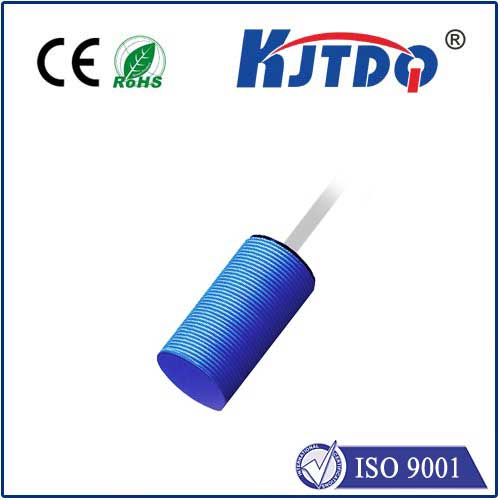
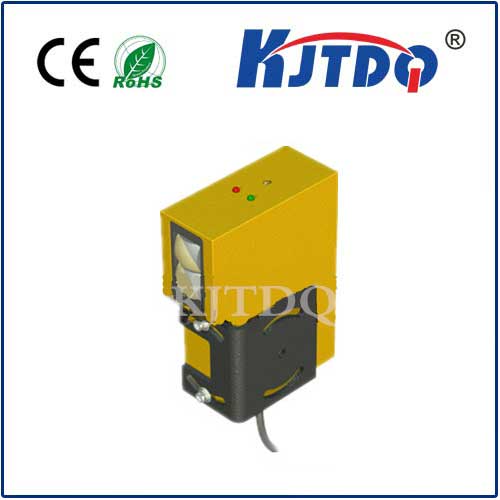
The defining feature of the PR18-DM3DNC is its robust cylindrical housing, typically 18mm in diameter, offering excellent resistance to environmental factors. Many models in this series are built to withstand common industrial challenges such as dust, moisture, and incidental impacts. This rugged construction ensures consistent performance in settings ranging from clean packaging lines to more demanding automotive assembly plants. Its compact form factor allows for easy installation in space-constrained applications, while the stable sensing performance minimizes false triggers caused by ambient light or background interference.
One of the key advantages of the diffuse reflective design is its simplicity in setup. Unlike through-beam sensors that require precise alignment of separate emitter and receiver units, the PR18-DM3DNC combines both elements into a single housing. This eliminates the complex alignment process, significantly reducing installation time and maintenance overhead. Users can simply mount the sensor, adjust its sensitivity potentiometer if available, and it is ready to detect objects of various colors and surface finishes with high repeatability. The sensing range, while generally shorter than through-beam models, is perfectly suited for a vast array of proximity detection tasks.
The applications for the PR18-DM3DNC photoelectric switch are extensive and critical to automated processes. It is commonly deployed for object detection on conveyor belts, ensuring parts are present for the next stage of assembly or sorting. In packaging machinery, it verifies the presence of boxes, bottles, or labels, triggering sealing, filling, or labeling operations. It plays a vital role in counting products as they pass a specific point, providing essential data for inventory and production control. Furthermore, it can be used for level detection in bins or silos, preventing overflows or shortages, and for detecting the presence of materials in automated guided vehicles (AGVs) and robotic pick-and-place systems.
Selecting and implementing the PR18-DM3DNC requires consideration of several factors to ensure optimal performance. The sensing distance must be appropriate for the application, with a safe margin to account for object variations. The material, color, and surface texture of the target object influence the amount of light reflected; glossy or light-colored objects are detected at longer ranges than matte or dark ones. The operating voltage (commonly 10-30V DC) must match the control system's power supply. Understanding the output type (e.g., normally open or normally closed) is crucial for proper integration with Programmable Logic Controllers (PLCs) or other control devices. Regular maintenance, such as keeping the lens clean from dust and debris, is simple but essential for long-term reliability.
In conclusion, the PR18-DM3DNC photoelectric switch represents a fundamental and highly reliable component in the sensor technology landscape. Its robust diffuse reflective sensing method, coupled with a durable design and ease of use, makes it an indispensable tool for achieving precise and reliable object detection across countless industries. By providing a consistent and accurate signal, it forms the sensory foundation upon which efficient, safe, and intelligent automated systems are built, driving productivity and quality assurance in facilities worldwide.