check

check

check

check
check
check
check
check

check

check
In the intricate world of industrial automation, the reliability of a single component can dictate the efficiency of an entire production line. Among these critical components, photoelectric switches stand as silent sentinels, ensuring precision and safety. The LXQD-BGLL61NS photoelectric switch emerges as a standout solution, engineered to meet the rigorous demands of modern applications. This comprehensive guide delves into its features, benefits, and practical uses, offering insights for engineers and procurement specialists seeking dependable sensing technology.
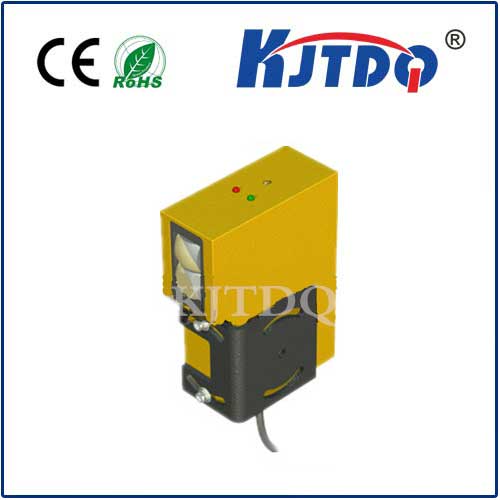
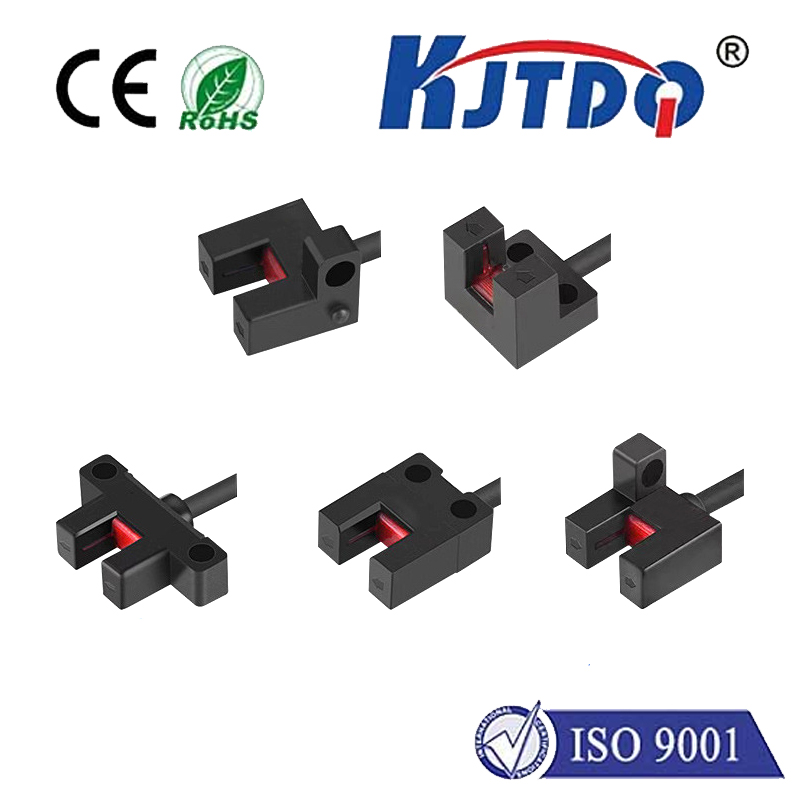
The LXQD-BGLL61NS is a through-beam photoelectric sensor, a design known for its long-range detection capabilities and high immunity to environmental interference. It operates on a simple yet effective principle: a transmitter emits a focused beam of light, which is received by a separate receiver unit. Any object interrupting this beam triggers a switch signal. This model is particularly noted for its robust construction, typically featuring an IP67-rated housing that provides excellent protection against dust and water ingress. This makes it suitable for challenging environments, from food processing plants with frequent washdowns to outdoor logistics hubs exposed to the elements.
One of the key advantages of the LXQD-BGLL61NS is its impressive sensing distance. Capable of detecting objects several meters away, it allows for flexible installation in large-scale setups, such as conveyor belt systems, automated storage, and retrieval systems (AS/RS), and vehicle detection in parking facilities. Its response time is remarkably fast, enabling the detection of high-speed objects without missing a beat—a crucial factor in high-throughput manufacturing where every millisecond counts. Furthermore, the switch often incorporates a stable LED indicator, providing clear visual feedback on its operational status, which simplifies troubleshooting and maintenance.
When selecting a photoelectric switch, factors like light source, output type, and power supply are paramount. The LXQD-BGLL61NS commonly utilizes a modulated infrared LED light source. This modulation technique allows the sensor to distinguish its own light from ambient light, drastically reducing false triggers caused by sunlight or artificial lighting in factories. In terms of output, it typically offers both NPN and PNP transistor configurations, as well as relay output options, ensuring compatibility with a wide array of programmable logic controllers (PLCs) and control systems. A wide operating voltage range, often from 10V to 30V DC, adds to its versatility across different electrical setups.
Practical applications of the LXQD-BGLL61NS are vast and varied. In packaging machinery, it ensures precise carton counting and product positioning. Within the automotive industry, it safeguards robotic arms by confirming the presence of components on assembly lines. For material handling, it can detect the height of stacks on pallets or signal the end of a roll in printing and textile machines. Its durability also makes it ideal for harsh settings like mining or agriculture, where it can monitor equipment movement or control gate operations.
Installation and alignment are straightforward but require attention to detail. For optimal performance of the through-beam type, the transmitter and receiver must be precisely aligned. Many models, including variants of the LXQD-BGLL61NS, feature built-in alignment aids or mounting brackets to facilitate this process. Regular maintenance involves keeping the lenses clean from dirt, oil, or condensation, which can attenuate the light beam. A simple periodic check of the alignment and lens condition can prevent unexpected downtime.
Comparing the LXQD-BGLL61NS to other sensing technologies like inductive or capacitive proximity sensors highlights its unique strengths. While inductive sensors excel at detecting metals and capacitive sensors handle non-metals, photoelectric switches like the LXQD-BGLL61NS can detect virtually any material—plastic, wood, glass, or liquid—as long as it interrupts the light path. This universality, combined with its long range, makes it an indispensable tool in diverse industrial landscapes.
In conclusion, the LXQD-BGLL61NS photoelectric switch represents a blend of robustness, precision, and adaptability. Its design addresses core industrial needs for reliable object detection under tough conditions. For businesses aiming to enhance automation reliability and efficiency, integrating such a proven sensor can lead to significant improvements in productivity and safety. As technology evolves, the fundamental role of dependable components like this switch remains unchanged, serving as the backbone of intelligent automation systems worldwide.