check

check

check

check
check
check
check
check

check

check
In the world of industrial automation, precision and reliability are non-negotiable. The KJTDQ ML100 series photoelectric switch stands as a cornerstone for countless applications demanding accurate object detection. This comprehensive guide delves into the specifics of the ML100-55, ML100-59, ML100-95, ML100-103, and ML100-154 models, exploring their capabilities and why they are a preferred choice for engineers and system integrators globally.
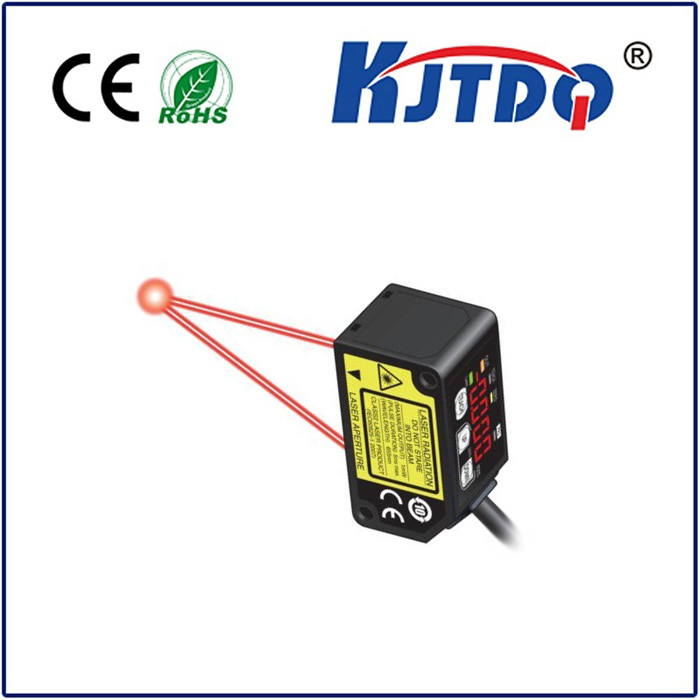
Photoelectric switches operate on a simple yet profound principle: they use a light beam to detect the presence, absence, or distance of an object. The KJTDQ ML100 series excels in this domain by offering robust through-beam, retro-reflective, and diffuse reflective sensing modes. Each model within the series is engineered with specific sensing ranges and housing designs to tackle unique environmental challenges. For instance, the ML100-55 and ML100-59 are often celebrated for their compact size and excellent performance in confined spaces, while models like the ML100-103 and ML100-154 provide extended sensing ranges suitable for larger-scale operations.
Durability is a key hallmark of the KJTDQ ML100 family. Constructed with high-grade materials, these sensors are built to withstand harsh industrial environments. They feature impressive resistance to dust, moisture, and mechanical impact, ensuring consistent operation in settings ranging from packaging lines to automotive assembly plants. The housing is typically designed to meet IP67 standards, meaning it is completely protected against dust and can withstand temporary immersion in water. This resilience translates directly to reduced downtime and lower maintenance costs, a critical factor for continuous production processes.
A significant advantage of the ML100 series is its versatility in output configuration. Models are available with both NPN and PNP transistor outputs, as well as analog and relay options, allowing for seamless integration with a wide array of programmable logic controllers (PLCs), relays, and other control systems. This flexibility ensures that whether you are upgrading an existing line or designing a new one, there is an ML100 model that fits the electrical requirements perfectly. The wiring process is straightforward, often featuring clear polarity protection and status indicators for easy installation and troubleshooting.
When selecting the appropriate model from the ML100-55/59/95/103/154 lineup, several practical factors must be considered. The first is the required sensing distance. For close-range detection tasks, the ML100-55 is an ideal candidate. For applications needing to detect objects from a farther distance, the ML100-154 would be the model of choice. The second factor is the object's characteristics. Detecting a clear glass bottle requires a different sensor type (often a through-beam model) compared to detecting an opaque cardboard box (where a diffuse reflective model may suffice). Ambient light conditions and the presence of background objects also play a crucial role in model selection.
Installation and alignment are critical for optimal performance. For through-beam sensors, ensuring the emitter and receiver are perfectly aligned is paramount. Retro-reflective models require a clear line of sight to the reflector. Diffuse sensors must be positioned at the correct angle and distance from the target. Many KJTDQ ML100 switches come with built-in alignment aids like signal strength LEDs, which greatly simplify this process. Regular maintenance, primarily involving lens cleaning to prevent dust or grime buildup, is recommended to maintain peak sensitivity.
The real-world applications of the KJTDQ ML100 photoelectric switches are vast and varied. They are indispensable in conveyor belt systems for counting, sorting, and jam detection. In the automotive industry, they verify the presence of components on assembly robots. In packaging machinery, they ensure boxes are correctly positioned for sealing or labeling. They also play vital roles in material handling, elevator control, and automated storage and retrieval systems. Their reliability makes them a silent, yet essential, workforce in modern manufacturing.
In conclusion, the KJTDQ ML100 series, encompassing models 55, 59, 95, 103, and 154, represents a blend of precision engineering, environmental ruggedness, and application-focused design. By understanding the specific strengths of each model and following best practices for selection and installation, businesses can achieve a new level of automation efficiency and reliability. Investing in the right photoelectric sensor is not just about purchasing a component; it's about building a foundation for smoother, more intelligent, and uninterrupted industrial operations.