check

check

check

check
check
check
check
check

check

check
In the fast-paced world of industrial automation, precision, reliability, and durability are non-negotiable. The LD61/LV61-Z/92/136 series of photoelectric switches stands as a testament to engineering excellence, designed to meet the rigorous demands of modern manufacturing, packaging, material handling, and assembly lines. These sensors are not just components; they are critical enablers of efficiency, safety, and seamless operation.
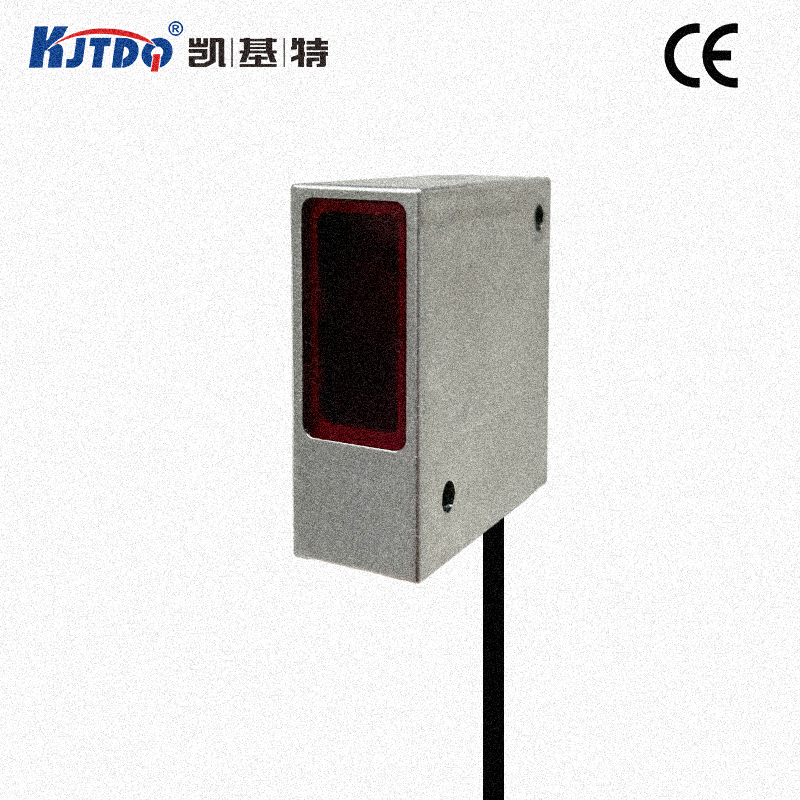
The core technology behind the LD61 and LV61-Z models is advanced photoelectric sensing. They operate by emitting a beam of light (typically infrared, red, or laser) and detecting changes in the received light signal. The "92" and "136" variants often refer to specific housing styles, sensing ranges, or output configurations, catering to diverse application needs. Common types include through-beam, retro-reflective, and diffuse reflective models. Through-beam sensors offer the longest detection range and highest accuracy, with separate emitter and receiver units. Retro-reflective types use a reflector, making installation easier for medium ranges. Diffuse reflective sensors detect objects by the light reflected directly from the target, ideal for shorter ranges and varied surface properties.
What sets the LD61/LV61-Z series apart is its robust construction. Housed in rugged, often metal or high-grade polymer casings, these switches are built to withstand harsh industrial environments. They are typically rated with high IP (Ingress Protection) codes, such as IP67 or IP69K, ensuring resistance against dust, water jets, and even temporary immersion. This makes them suitable for washdown areas in food and beverage processing or challenging conditions in automotive plants. Furthermore, they exhibit excellent resistance to common industrial interferences like electrical noise, ambient light fluctuations, and vibration, guaranteeing stable performance where it matters most.
The application spectrum for these photoelectric switches is vast. On a conveyor system, an LD61 through-beam sensor can precisely count boxes, detect jams, or control sorting gates. In packaging machinery, an LV61-Z diffuse sensor can verify the presence of a product in a blister pack or ensure a label is applied correctly. They are indispensable in automated storage and retrieval systems (AS/RS) for position verification and in robotics for part presence detection. Their high switching speed allows them to keep up with fast-moving production lines without missing a beat.
Installation and integration are streamlined for engineer convenience. Many models in this series feature built-in sensitivity adjustment potentiometers or teach-in functions via a button, allowing for quick on-site calibration without complex tools. The output options are versatile, including NPN, PNP, NO (Normally Open), and NC (Normally Closed) configurations, ensuring compatibility with a wide array of PLCs (Programmable Logic Controllers), relays, and control systems. Clear LED indicators for power and output status provide instant visual feedback for troubleshooting and maintenance.
When selecting a photoelectric switch like the LD61/LV61-Z/92/136, several key factors must be considered. The sensing range required for the application is paramount. The type of object to be detected—its size, material, color, and surface finish—will determine the most suitable sensing mode (e.g., diffuse sensors may struggle with dark, absorbent surfaces). The environmental conditions, including temperature extremes, exposure to chemicals, or potential physical impacts, dictate the necessary housing and protection rating. Finally, the required response time and output type must align with the control system's specifications.
Beyond basic detection, modern iterations of such sensors offer smart features. These include advanced diagnostics, IO-Link communication for digital parameter setting and data readout, and enhanced background suppression technology for more reliable detection independent of object color or reflectivity. This connectivity aligns with Industry 4.0 principles, enabling predictive maintenance and deeper process integration.
In conclusion, the LD61/LV61-Z/92/136 photoelectric switch series represents a robust, versatile, and highly reliable solution for object detection challenges across industries. Its design prioritizes operational resilience, ease of use, and integration flexibility. For system integrators, plant engineers, and maintenance professionals seeking to enhance automation line reliability, reduce downtime, and improve overall equipment effectiveness (OEE), investing in high-quality photoelectric sensors like this series is a strategic decision. By providing consistent and accurate sensing, these components form the reliable sensory foundation upon which efficient, safe, and profitable automated operations are built.