check

check

check

check
check
check
check
check

check

check
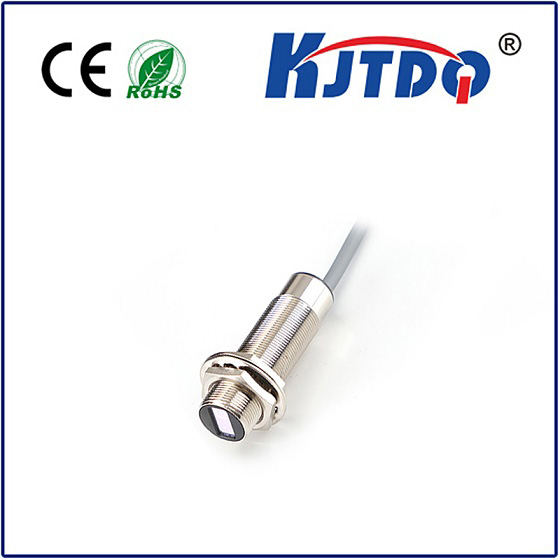
In the world of industrial automation and process control, the reliability and precision of sensing components are non-negotiable. Among the myriad of options available, the MV100 series photoelectric switches, specifically the MV100-IR, MV100-102, and MV100-115 models, have established themselves as benchmarks for dependable performance. These devices are engineered to deliver consistent, accurate detection across a wide range of challenging applications, from packaging lines and material handling to safety systems and assembly stations. This guide delves into the core features, operational principles, and practical benefits of these versatile sensors, explaining why they are a preferred choice for engineers and system integrators globally.
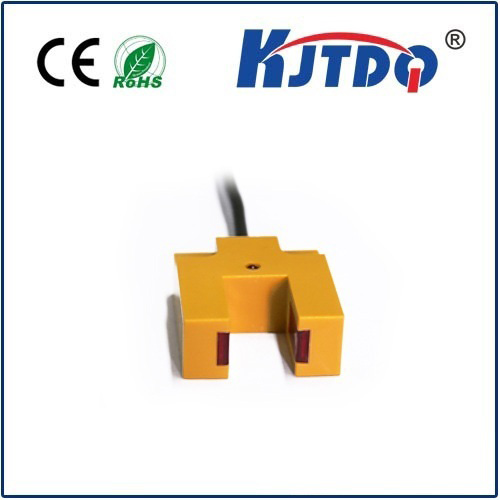
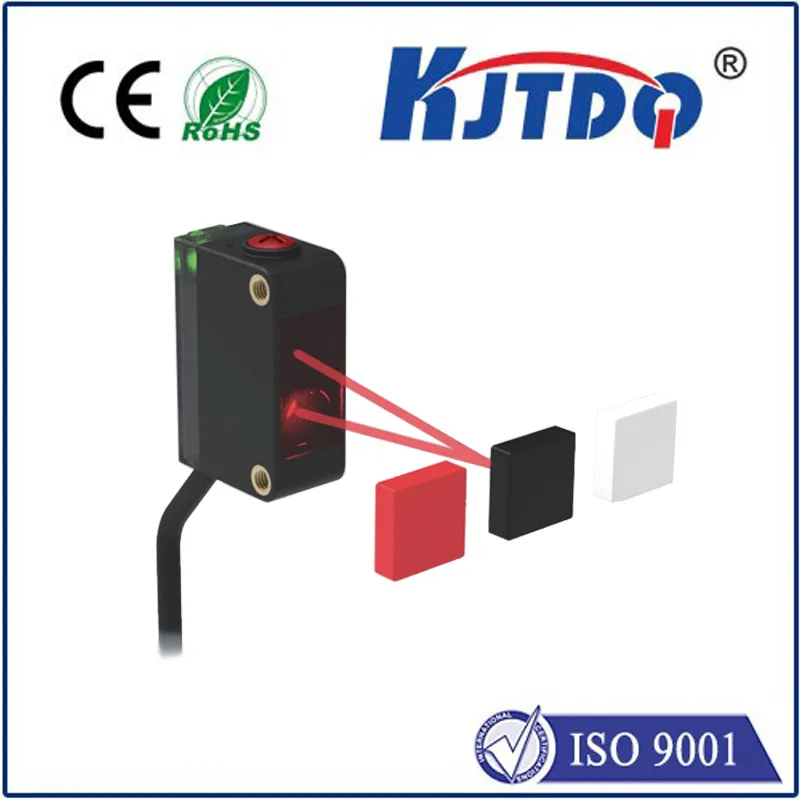
At the heart of the MV100 series lies advanced photoelectric sensing technology. Unlike mechanical switches that require physical contact, these sensors operate by emitting a beam of light—typically infrared (IR) for the MV100-IR model—and detecting changes in the received light signal. The "through-beam" or "opposed" mode, where a separate receiver unit detects the beam from the emitter, offers the longest sensing range and highest reliability, ideal for clear object detection. The "retro-reflective" mode uses a reflector to bounce the beam back to the sensor, providing a good balance of range and ease of installation. Finally, the "diffuse" or "proximity" mode, common in many MV100 variants, detects objects by measuring the light reflected directly from the target's surface, offering a compact, single-unit solution.
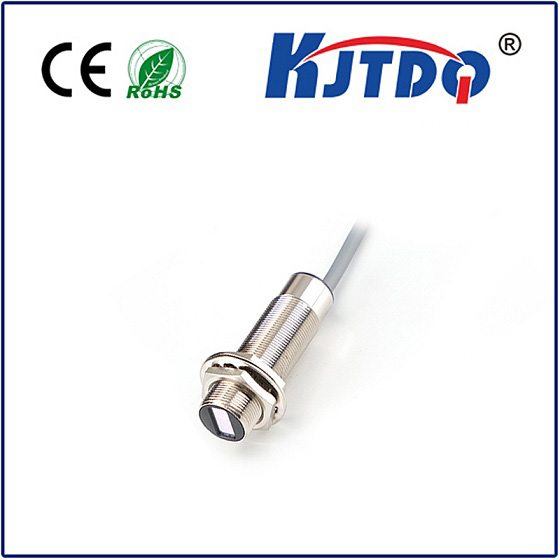
The specific model suffixes, such as 102 and 115, often denote key variations in housing design, sensing range, output configuration, or electrical connection. For instance, one model might feature a robust metal housing (IP67 rating) for harsh environments with excessive dust or washdowns, while another might offer a precise background suppression feature to ignore objects beyond a set distance. The output is typically a solid-state transistor (PNP or NPN) or a relay, providing a clean switching signal to Programmable Logic Controllers (PLCs) or other control systems. Many models also incorporate diagnostic LEDs for quick status checks, reducing maintenance downtime.
The practical advantages of implementing the MV100-IR/102/115 photoelectric switches are substantial. Their non-contact nature eliminates mechanical wear and tear, leading to a significantly longer operational lifespan compared to limit switches. They can detect virtually any material—metal, plastic, wood, glass, or liquid—provided there is a contrast in reflectivity or opacity. This versatility is crucial in modern, flexible production lines. Furthermore, their fast response time, often in the microsecond range, enables high-speed counting, positioning, and inspection tasks that would be impossible for mechanical devices. The inherent resistance to vibration, electrical noise, and environmental contaminants ensures stable performance where other sensors might fail.
Selecting the right model from the MV100 series requires careful consideration of the application parameters. Key factors include the required sensing distance, the size and material of the target object, the ambient lighting conditions (resistance to optical interference is a hallmark of quality IR sensors), and the environmental challenges like temperature extremes, humidity, or exposure to chemicals. Proper alignment, mounting, and periodic lens cleaning are simple yet critical steps for maintaining optimal performance. It is always recommended to consult the manufacturer's detailed datasheets for the specific MV100-IR, MV100-102, or MV100-115 model to ensure compatibility with voltage requirements, load specifications, and housing certifications.
In conclusion, the MV100 series photoelectric switches represent a fusion of robust engineering and practical innovation. The MV100-IR, MV100-102, and MV100-115 models provide a scalable sensing solution that enhances automation system efficiency, reduces maintenance costs, and improves overall process reliability. By offering a combination of long-range detection, environmental durability, and flexible configuration, they solve complex detection challenges in manufacturing, logistics, and beyond. For system designers seeking a proven and trustworthy component to form the sensory foundation of their automated equipment, the MV100 series stands as a compelling and intelligent investment.