check

check

check

check
check
check
check
check

check

check
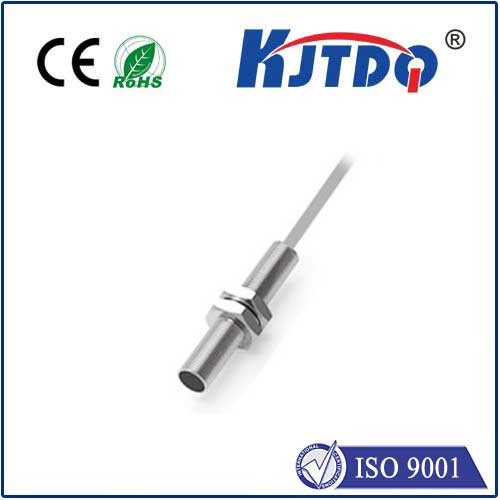
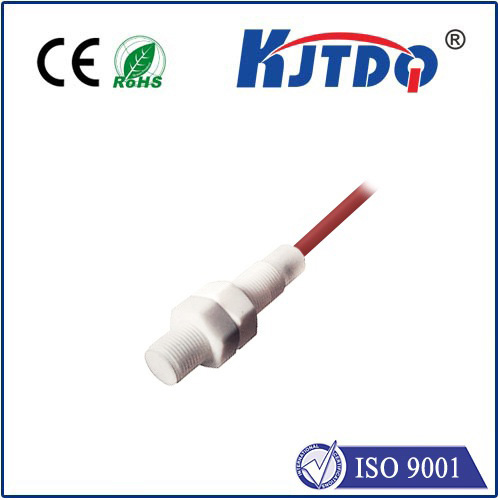
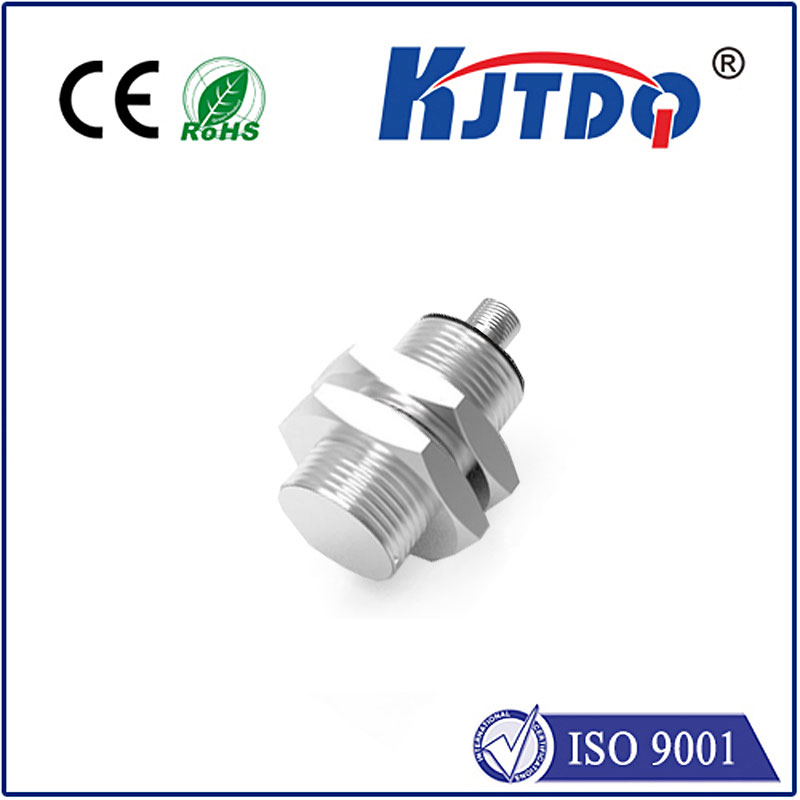
In the rapidly evolving landscape of industrial automation, the demand for reliable and precise sensing solutions has never been higher. Among the key components driving efficiency and safety in manufacturing and processing environments is the photoelectric switch, a device that uses light beams to detect the presence, absence, or distance of objects. The VS2AN5CV30 photoelectric switch stands out as a prime example of advanced sensing technology, designed to meet the rigorous demands of modern industrial applications. This article delves into the features, benefits, and practical uses of the VS2AN5CV30, highlighting its role in optimizing operational workflows.
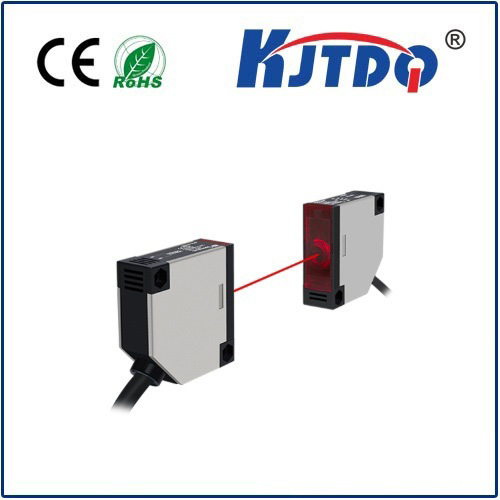
Photoelectric switches, like the VS2AN5CV30, operate by emitting a light beam—typically infrared, visible, or laser—toward a target. When the beam is interrupted or reflected by an object, the sensor triggers an output signal, which can be used to control machinery, count items, or monitor processes. The VS2AN5CV30 model is engineered for high performance, offering a sensing range that accommodates various industrial setups. Its robust construction ensures durability in harsh conditions, including exposure to dust, moisture, and temperature fluctuations, making it suitable for industries such as automotive, packaging, and material handling.
One of the standout features of the VS2AN5CV30 photoelectric switch is its precision. With advanced optics and electronic components, it provides accurate detection even in challenging environments where other sensors might fail. This reliability reduces downtime and maintenance costs, as the switch can consistently perform without frequent recalibration. Additionally, the VS2AN5CV30 supports multiple operating modes, including through-beam, retro-reflective, and diffuse reflection, allowing for flexible installation based on specific application needs. For instance, in conveyor belt systems, it can detect products for sorting or quality control, while in safety systems, it can act as a barrier to prevent accidents by halting machinery when an object is detected in a restricted zone.
The integration of the VS2AN5CV30 into automation systems contributes significantly to energy efficiency and productivity. By enabling precise control over machinery, it helps minimize waste and optimize resource use. In packaging lines, for example, the switch ensures that items are correctly positioned for sealing or labeling, reducing errors and enhancing throughput. Its compatibility with programmable logic controllers (PLCs) and other industrial communication protocols further simplifies integration, allowing for seamless data exchange and real-time monitoring. This connectivity supports Industry 4.0 initiatives, where smart sensors play a crucial role in creating interconnected, data-driven manufacturing environments.
From a technical perspective, the VS2AN5CV30 photoelectric switch boasts specifications that cater to diverse industrial requirements. It typically operates on a standard voltage range, with options for AC or DC power supplies, and offers output types such as NPN or PNP transistors to match different control systems. The housing is often made from materials like stainless steel or rugged plastics, providing resistance to corrosion and mechanical stress. Furthermore, many models include LED indicators for easy status monitoring, aiding in quick troubleshooting and setup. These attributes make the VS2AN5CV30 a versatile choice for applications ranging from simple presence detection to complex automated sequences.
In practice, the VS2AN5CV30 has been adopted across various sectors. In automotive manufacturing, it assists in assembly line operations by verifying part placements or triggering robotic arms. In food and beverage processing, it ensures hygiene and accuracy by detecting containers on filling lines without physical contact, preventing contamination. Even in logistics, the switch aids in warehouse automation by tracking inventory movement on pallets or shelves. Its ability to function in low-light or high-ambient-light conditions adds to its adaptability, ensuring consistent performance regardless of environmental factors.
Looking ahead, the evolution of photoelectric switches like the VS2AN5CV30 is likely to focus on enhanced connectivity and intelligence. Future iterations may incorporate IoT capabilities for remote diagnostics and predictive maintenance, further boosting operational uptime. However, the current model already represents a significant advancement, offering a balance of affordability, reliability, and precision that meets the needs of today’s industries. For businesses seeking to upgrade their automation infrastructure, investing in high-quality sensors such as the VS2AN5CV30 can lead to tangible improvements in safety, efficiency, and cost savings.
In summary, the VS2AN5CV30 photoelectric switch exemplifies the innovation driving industrial automation forward. By providing dependable object detection in diverse settings, it supports smoother operations and smarter decision-making. As technology continues to advance, devices like this will remain integral to building more responsive and sustainable industrial ecosystems. For engineers and operators, understanding and leveraging such tools is key to staying competitive in a dynamic market.