check

check

check

check
check
check
check
check

check

check
In the complex world of industrial automation, the reliability of a single component can dictate the efficiency of an entire production line. Among these critical components, photoelectric switches stand as silent sentinels, and the E3JK-RN12-C model has carved out a significant reputation for dependable performance. This comprehensive guide delves into the specifics of this device, exploring its functionality, key applications, and the tangible benefits it brings to modern operations, moving beyond generic descriptions to provide actionable insights.
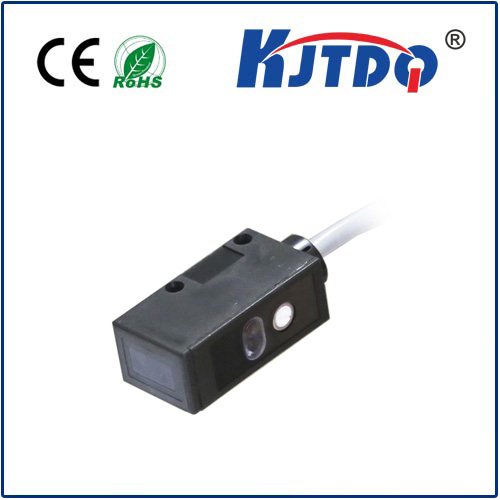
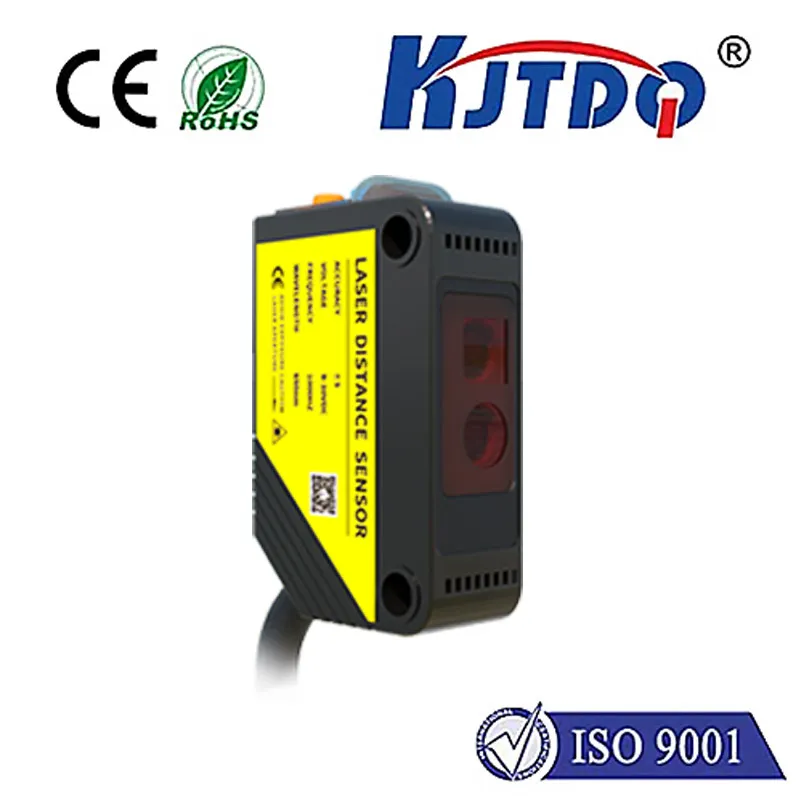
At its core, the E3JK-RN12-C is a self-contained, diffuse-reflective photoelectric sensor. Unlike through-beam sensors that require a separate emitter and receiver, this model houses both elements in a single, compact unit. It operates by emitting a beam of modulated infrared light from its built-in LED. When this light strikes an object within its sensing range, a portion of the light is reflected back to the receiver. The internal circuitry then processes this signal to detect the object's presence or absence. The "RN12" designation typically refers to its sensing distance, which is up to 1 meter, making it versatile for medium-range applications. The robust construction, often featuring a rugged ABS housing and an IP67 rating for dust and water resistance, ensures it can withstand harsh industrial environments, from packaging lines to material handling systems.
The true value of the E3JK-RN12-C is realized in its diverse application scenarios. In conveyor belt systems, it is indispensable for precise object detection, enabling accurate counting, sorting, and jam prevention. Its ability to detect objects regardless of color or material (with some reflectivity considerations) makes it superior to simple mechanical limit switches. Within automated assembly stations, it verifies the presence of components before a robotic arm proceeds with its task, preventing costly errors and machine damage. Furthermore, in packaging machinery, it ensures cartons are correctly positioned for sealing or labeling. The device's adjustable sensitivity via a potentiometer allows technicians to fine-tune its response, filtering out background interference and ensuring stable detection even when dealing with translucent or dark-colored objects.
Choosing the E3JK-RN12-C over alternative sensing methods offers distinct operational advantages. Its non-contact nature means there is no physical wear and tear from repeated actuation, leading to a dramatically longer service life compared to mechanical switches. This translates directly into reduced maintenance costs and less downtime. The setup is notably straightforward; its compact, self-contained design simplifies installation without the need for precise alignment of separate units, saving valuable time during integration and commissioning. Moreover, its consistent and fast response time enhances the overall speed and precision of automated processes, contributing to higher throughput and improved product quality.
For engineers and maintenance personnel, understanding practical integration is key. The E3JK-RN12-C typically operates on a 12-24V DC supply and provides a solid-state relay output (NPN or PNP configurations are common), allowing for direct interface with PLCs (Programmable Logic Controllers), counters, and other control systems. When installing, it is crucial to consider the target object's size, surface texture, and the environmental conditions. For instance, highly reflective or glossy surfaces might require sensitivity adjustment to prevent false triggering. Regular maintenance is minimal but should include periodic lens cleaning to prevent dust or grime from attenuating the light beam, ensuring sustained optimal performance over years of service.
In conclusion, the E3JK-RN12-C photoelectric switch represents a blend of robust engineering and practical design. Its reliable diffuse-reflective sensing principle, coupled with environmental durability and ease of use, makes it a cornerstone component for achieving seamless automation. By enabling accurate, non-contact detection across a spectrum of industrial tasks, it empowers systems to run smoother, smarter, and with greater reliability. For any operation seeking to enhance detection reliability without complexity, this sensor proves to be a strategically sound and effective solution.