check

check

check

check
check
check
check
check

check

check
In the intricate world of industrial automation, the reliability and precision of sensing components are non-negotiable. Enter the KT11-50/25/98a/102 photoelectric switch, a sophisticated device engineered to deliver unparalleled performance in the most demanding environments. This sensor represents a significant leap forward in detection technology, offering a blend of durability, accuracy, and versatility that sets a new benchmark for the industry.
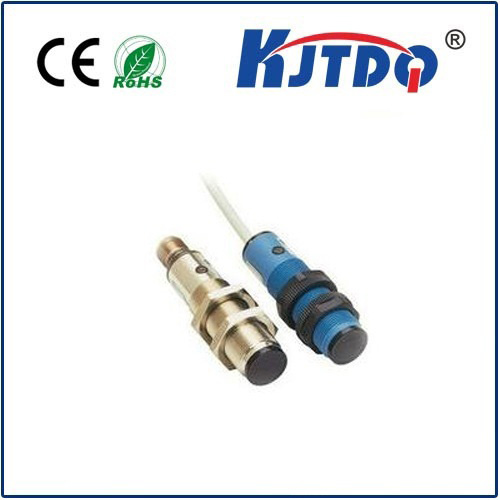
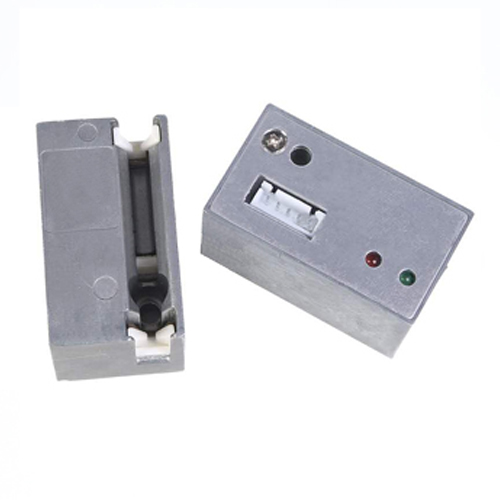
At its core, the KT11-50/25/98a/102 is a through-beam photoelectric sensor. This design features a separate transmitter and receiver unit. The transmitter emits a focused beam of light, typically infrared or laser, which is then captured by the opposing receiver. An object is detected when it interrupts this light beam. This method is renowned for its exceptional sensing range and high reliability, as it is less susceptible to environmental factors like target color, reflectivity, or surface texture compared to reflective models. The "50" in its designation often refers to a 50-meter sensing distance, making it ideal for large-scale applications such as warehouse door monitoring, conveyor belt gap detection in logistics centers, or vehicle positioning in automated storage and retrieval systems.
The construction of the KT11-50/25/98a/102 is tailored for industrial rigor. Housed in a robust, often metallic casing, it boasts an impressive ingress protection rating, such as IP67 or higher. This ensures complete resistance to dust ingress and protection against temporary immersion in water. It can withstand constant exposure to oil, coolant sprays, and mechanical vibrations commonly found on factory floors. The device is designed to operate reliably across a wide temperature range, ensuring consistent performance from freezing cold storage areas to hot manufacturing zones. This ruggedness translates directly into reduced downtime and lower maintenance costs, a critical factor for continuous production operations.
One of the standout features encapsulated in its model code is its output configuration and electrical compatibility. The switch typically comes with a stable, load-independent output, often in the form of a solid-state NPN or PNP transistor. This allows for seamless integration with a vast array of programmable logic controllers (PLCs), frequency drives, and other control systems without the need for additional interfacing modules. The precise electrical characteristics, hinted at by codes like "98a/102," ensure quick response times and high switching frequencies, enabling the detection of very fast-moving objects on high-speed packaging or assembly lines.
Practical applications for the KT11-50/25/98a/102 are vast and varied. Beyond long-range detection, it excels in scenarios requiring precise positioning. In the automotive industry, it is used to verify the presence of chassis on assembly robots' paths. In the packaging sector, it ensures cartons are correctly positioned before sealing. In material handling, it provides accurate counting of products on a fast-moving conveyor or controls the stacking height in palletizing systems. Its through-beam principle makes it perfect for detecting transparent objects, like glass or plastic bottles, which often challenge other sensor types.
Installation and alignment, crucial for through-beam sensors, are simplified in modern iterations of this photoelectric switch family. Many models feature visible red or laser beams for easy setup, along with clear LED indicators for power and output status. This user-friendly design minimizes commissioning time and reduces errors. Furthermore, its compatibility with standard mounting brackets and accessories allows for flexible integration into existing machinery layouts.
When selecting a sensor for critical automation tasks, the KT11-50/25/98a/102 photoelectric switch emerges as a definitive choice. It is not merely a component but a reliable partner in ensuring operational efficiency, safety, and quality control. By providing a fail-safe method for object detection over long distances and in tough conditions, it helps build smarter, more resilient, and more productive automated systems. For engineers and system integrators seeking a proven, high-performance sensing solution, this device offers the technological sophistication and rugged dependability needed to meet today's industrial challenges head-on.