check

check

check

check
check
check
check
check

check

check
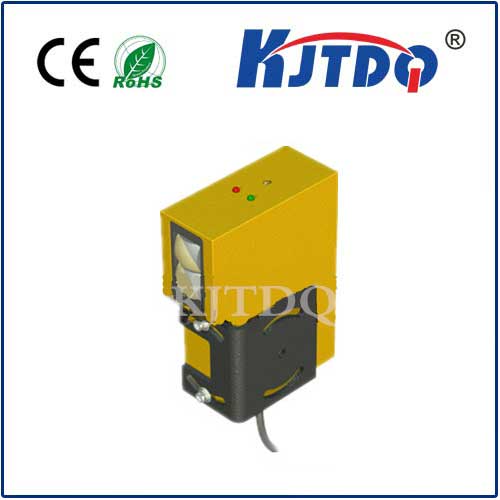
In the intricate world of industrial automation, precision and reliability are non-negotiable. The GLV18-55/25/103/159 photoelectric switch stands as a testament to engineering excellence, designed to meet the rigorous demands of modern manufacturing and material handling environments. This advanced sensor is not merely a component; it is a critical enabler of efficiency, safety, and seamless operation across countless applications.
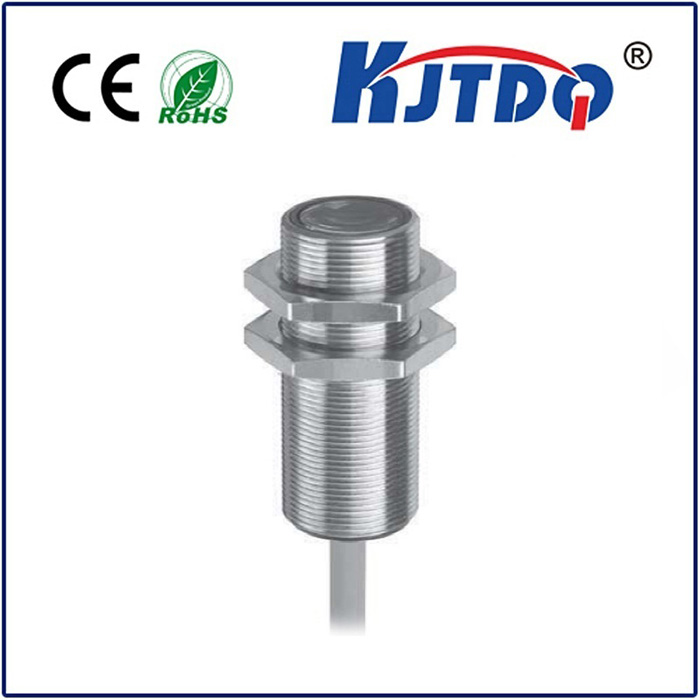
At its core, the GLV18-55/25/103/159 is a through-beam photoelectric sensor. This model number specifies key characteristics: its compact 18mm housing diameter, a sensing range tailored for medium-distance applications, and specific optical and electrical parameters (103/159 often refer to light source type and output configuration). The through-beam design, consisting of a separate transmitter and receiver, offers the highest level of reliability and the longest sensing range in its class. The transmitter emits a focused beam of light, which is continuously received by the opposing unit. Any object interrupting this beam is detected with utmost accuracy, virtually immune to environmental factors like color, reflectivity, or surface texture.
The operational principle guarantees exceptional performance. Unlike diffuse or retro-reflective sensors, the through-beam method is unaffected by the target's properties. Whether detecting clear glass bottles, dark rubber belts, or metallic components, the GLV18-55/25/103/159 performs with consistent precision. This makes it indispensable in packaging lines, conveyor systems, automated assembly stations, and safety guarding applications where false triggers are unacceptable. Its robust construction typically features an IP67-rated housing, protecting it from dust ingress and temporary water immersion, ensuring longevity in harsh industrial settings.
Installation and integration are streamlined for user convenience. The separate units allow for flexible mounting across conveyors, entry points, or machinery. Alignment, while critical, is facilitated by clear visual or audible indicators found in quality models. The output, often a solid-state NPN or PNP transistor, provides a swift and clean signal to PLCs (Programmable Logic Controllers) or other control systems. This plug-and-play compatibility minimizes downtime during setup or maintenance cycles.
Consider a bottling plant as a practical use case. Here, the GLV18-55/25/103/159 sensors can be positioned on either side of a conveyor to count bottles, verify upright positioning, or detect missing caps. Their immunity to the transparent or reflective nature of the bottles ensures every single item is accounted for, preventing jams and ensuring quality control. In woodworking machinery, a pair of these sensors can create an invisible safety curtain, instantly halting a cutting blade when the beam is broken, protecting operators from potential injury.
The benefits of deploying this specific photoelectric switch translate directly to the bottom line. Enhanced detection reliability reduces product waste and machine stoppages. Improved safety protocols protect valuable human resources and equipment. The sensor's durability lowers total cost of ownership by minimizing replacement frequency and maintenance interventions. In an era where lean manufacturing and operational excellence are paramount, the reliability offered by components like the GLV18-55/25/103/159 is a strategic advantage.
Selecting the right sensor is crucial. The GLV18-55/25/103/159 is engineered for applications where unwavering detection certainty is required over moderate distances. For environments with heavy vibration, potent ambient light, or where mounting both a transmitter and receiver is challenging, alternative sensing modes might be evaluated. However, for the ultimate in object detection fidelity within its specified range, this through-beam photoelectric switch remains a premier choice.
Ultimately, the GLV18-55/25/103/159 photoelectric switch embodies a critical link in the automated chain. It provides the eyes for machinery, delivering the reliable data necessary for intelligent control. By ensuring that every object is detected exactly as intended, it supports the creation of faster, safer, and more efficient industrial operations, proving that superior components are the foundation of superior performance.