check

check

check

check
check
check
check
check

check

check
In the intricate world of industrial automation, the reliability of a single component can dictate the efficiency of an entire production line. Among the myriad of sensors available, the M100-6757/76a photoelectric switch stands out as a cornerstone for precision detection. This device is not merely a component; it is a critical solution for applications demanding unwavering accuracy in object detection, positioning, and counting across diverse industries such as packaging, material handling, and automotive assembly.
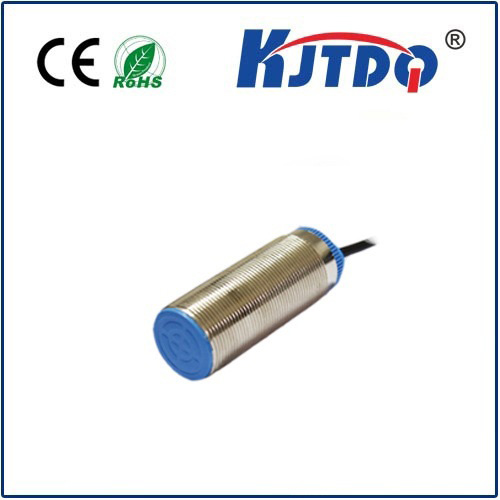
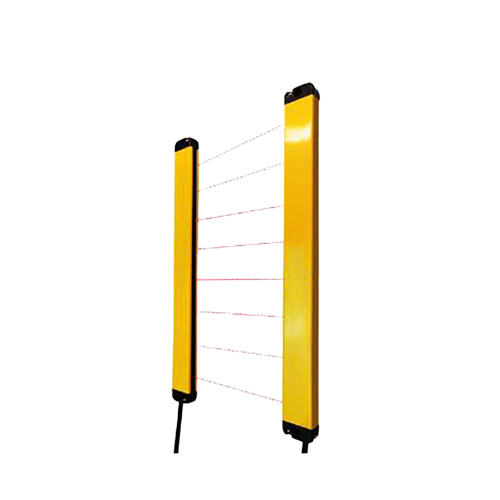
The M100-6757/76a is engineered for resilience and performance. Typically featuring a robust housing, it is designed to withstand challenging industrial environments, including exposure to dust, moisture, and mechanical vibrations. Its core principle of operation is based on modulated infrared light, which significantly enhances immunity to ambient light interference—a common challenge in factory settings. This switch often utilizes a through-beam or retro-reflective sensing mode, offering a long sensing range suitable for detecting objects from small components to large packages. The "76a" suffix in its part number typically indicates specific technical variants, such as output configuration (e.g., NPN or PNP transistor outputs), connection type, or sensing range, allowing for precise integration into various control systems like PLCs.
One of the primary advantages of the M100-6757/76a is its exceptional operational stability. The use of modulated light ensures that the sensor can reliably distinguish its own signal from background light, minimizing false triggers. This leads to fewer production stoppages, reduced waste, and higher overall equipment effectiveness (OEE). For instance, in a high-speed bottling plant, these switches can accurately detect bottles on a conveyor, ensuring proper filling and capping without missing a single unit. Their consistent performance underlines a commitment to seamless automation.
Installation and alignment are straightforward, thanks to clear visual indicators like a stable LED that signals power and a blinking or color-changing LED that confirms the object detection status. This simplifies setup and troubleshooting, reducing downtime during maintenance or system reconfiguration. The switch is typically designed for easy mounting in standard brackets, facilitating quick replacement or adjustment as production needs evolve.
When selecting a photoelectric switch like the M100-6757/76a, several technical specifications demand attention. The sensing distance, response time, and output current rating must align with the application's speed and load requirements. Environmental factors are equally crucial; many models in this series boast an IP67 rating, making them dust-tight and capable of withstanding temporary immersion, ideal for washdown areas in food processing. Compatibility with the existing electrical infrastructure, whether it's 12-24V DC or other voltage ranges, is also a key consideration for system integrators.
Beyond its technical prowess, the real-world impact of the M100-6757/76a is measured in enhanced productivity and cost savings. By providing reliable detection, it prevents jams in machinery, ensures accurate inventory counts, and enables sophisticated automated sequences. This reliability translates directly into lower operational costs and a stronger return on investment. For maintenance teams, the durability and clear diagnostics mean less frequent replacements and easier servicing, further contributing to a leaner operation.
In conclusion, the M100-6757/76a photoelectric switch represents a blend of robust engineering and practical design tailored for modern industrial demands. Its role in enabling precise, reliable, and efficient automation is indispensable. For engineers and plant managers seeking to optimize their systems, understanding and utilizing this sensor's capabilities is a strategic step toward achieving higher levels of operational excellence and maintaining a competitive edge in a fast-paced manufacturing landscape.