check

check

check

check
check
check
check
check

check

check
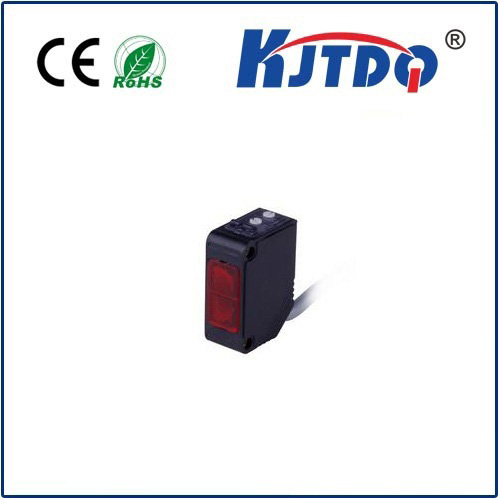
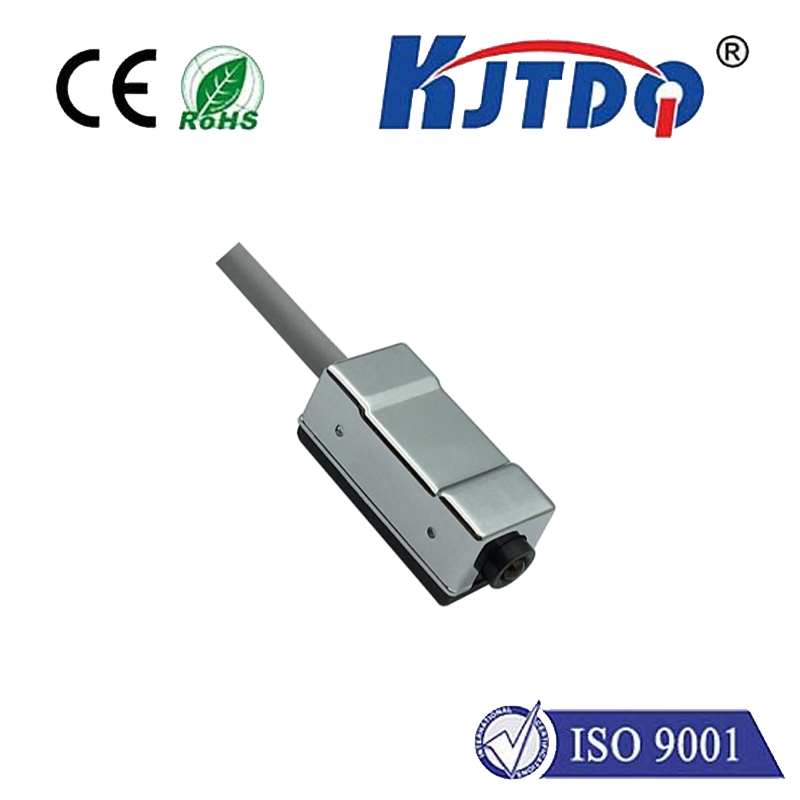
In the rapidly evolving landscape of industrial automation, precision, reliability, and durability are non-negotiable. The EM-F-TJ photoelectric switch emerges as a cornerstone technology, designed to meet the rigorous demands of modern manufacturing, packaging, material handling, and assembly lines. This advanced sensor represents a significant leap forward in non-contact detection, offering unparalleled performance in diverse and challenging environments.
Unlike traditional mechanical limit switches prone to wear and tear, the EM-F-TJ photoelectric switch operates on the principle of light beam modulation. It typically consists of an emitter, which projects a light beam (often infrared, red, or laser), and a receiver that detects the presence or absence of this beam. The "TJ" designation often indicates specific housing materials or specialized designs for extreme conditions, such as high temperatures, corrosive atmospheres, or areas requiring frequent washdowns. The core function is simple yet powerful: detect objects, count items, monitor positions, or control processes without any physical contact, thereby eliminating mechanical failure points and ensuring long-term operational stability.
The operational modes of photoelectric switches like the EM-F-TJ are versatile. The through-beam type, with separate emitter and receiver units, offers the longest sensing range and highest reliability, ideal for detecting opaque objects on conveyor belts. The retro-reflective mode uses a single unit and a reflector, simplifying installation while maintaining good range, perfect for pallet detection. The diffuse reflective (proximity) mode, where the switch detects light reflected directly from the target object, provides a compact solution for short-range applications like bottle cap presence verification. The EM-F-TJ series often incorporates advanced features such as background suppression, which allows it to ignore distant objects or reflective backgrounds, and precise teach-in functionality for easy setup.
The true value of the EM-F-TJ photoelectric switch lies in its robust engineering. Manufacturers construct these sensors with high-grade materials like stainless steel, nickel-plated brass, or specialized polymers for the housing, ensuring resistance to impacts, vibrations, and harsh chemicals. Key seals, typically meeting IP67 or IP69K ratings, protect internal electronics from dust ingress and high-pressure water jets, making them indispensable in food & beverage, pharmaceutical, and automotive industries. Internally, state-of-the-art circuitry provides immunity to electrical noise from motors and variable frequency drives, guaranteeing stable signal output even in electrically noisy plants.
Integration into complex control systems is seamless. The EM-F-TJ switch commonly provides multiple output options, including NPN, PNP, or relay contacts, and analog outputs for distance measurement, compatible with all major PLC (Programmable Logic Controller) brands like Siemens, Allen-Bradley, and Mitsubishi. Its fast response time, often in the microsecond range, enables high-speed counting and sorting tasks that would be impossible for mechanical devices. This speed, combined with high repeat accuracy, directly contributes to increased production throughput, reduced waste, and improved overall equipment effectiveness (OEE).
Selecting the right EM-F-TJ model requires careful consideration of the application parameters. Engineers must evaluate the required sensing distance, the size and material of the target object (e.g., detecting a transparent glass bottle versus a metal part), the ambient light conditions, and the environmental stressors like temperature extremes or caustic washdown fluids. Consulting technical datasheets for specific sensing range graphs, light source specifications, and housing ratings is crucial for optimal performance. Proper installation is equally important; ensuring correct alignment, avoiding mounting surfaces that cause vibration, and using shielded cables in high-interference areas are best practices that maximize sensor lifespan and reliability.
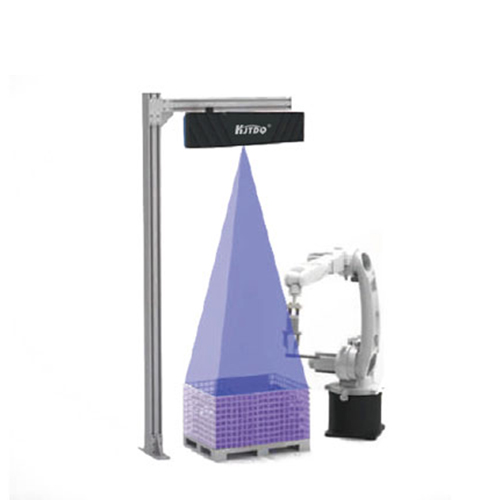
From automated warehouses where they guide robotic retrieval systems to bottling plants ensuring each container is properly filled and capped, the applications are virtually limitless. They provide the essential "eyes" for automated guided vehicles (AGVs), ensure worker safety by monitoring guard door positions, and verify component presence in intricate electronic assembly. The EM-F-TJ photoelectric switch, with its tailored "TJ" characteristics, is specifically engineered to deliver consistent performance where standard sensors might fail, thereby minimizing unplanned downtime—a critical factor in maintaining competitive advantage.
In conclusion, the EM-F-TJ photoelectric switch is far more than a simple component; it is a critical enabler of intelligent, efficient, and resilient automation. By offering contactless, high-speed, and reliable object detection in the toughest industrial settings, it forms the foundational sensory layer upon which modern smart factories are built. For system integrators, plant managers, and maintenance engineers seeking to enhance operational reliability and productivity, specifying the EM-F-TJ series represents a strategic investment in the future of manufacturing.