check

check

check

check
check
check
check
check

check

check
In the intricate world of industrial automation, precision and reliability are not just preferences; they are absolute necessities. Among the myriad of components that keep production lines humming and systems functioning flawlessly, the photoelectric switch stands as a silent sentinel. The E3F-5DN2-5L photoelectric switch, in particular, has carved out a significant reputation for itself. This comprehensive guide delves into the specifics of this device, exploring its functionality, applications, and the distinct advantages it offers to engineers and system integrators.
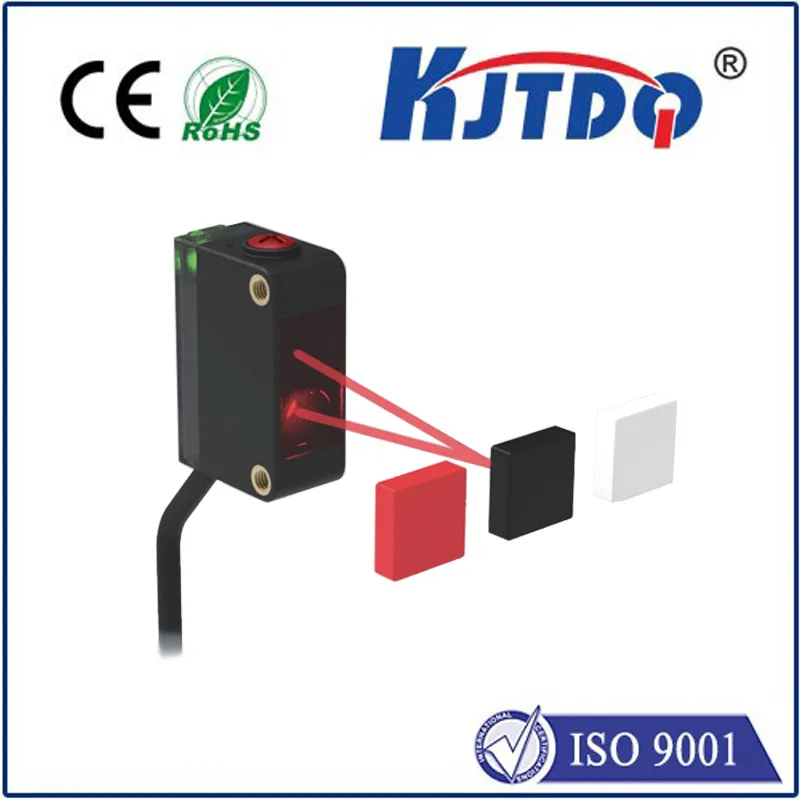
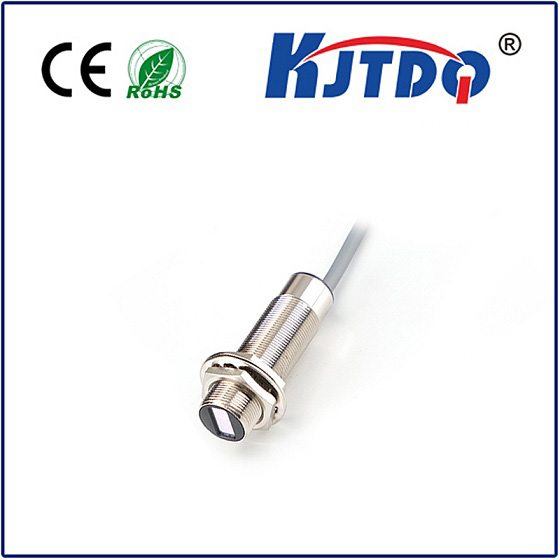
At its core, the E3F-5DN2-5L is a diffuse reflective type photoelectric sensor. This means it houses both the light emitter and the receiver in a single, compact unit. The principle is elegantly simple: the device emits a beam of modulated light, typically from an LED. When this beam strikes an object within its sensing range, a portion of the light is reflected back to the receiver. The sensor's internal circuitry detects this returned light and triggers an output signal. The "5L" in its model number often denotes a specific sensing distance, commonly 5 centimeters, making it ideal for close-range, precise detection tasks. This self-contained design eliminates the need for a separate reflector, simplifying installation and alignment in space-constrained environments.
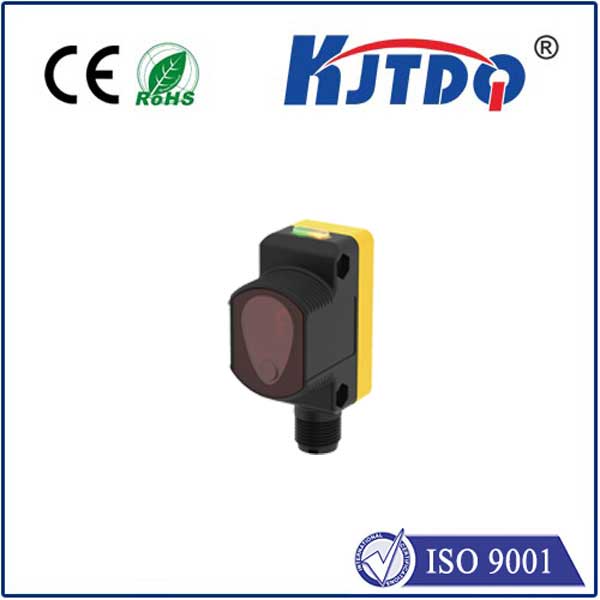
The construction of the E3F-5DN2-5L is tailored for industrial durability. Housed in a robust, typically cylindrical body, it is designed to withstand the rigors of factory floors. Many models feature an IP67 rating, indicating a high degree of protection against dust ingress and temporary immersion in water. This makes it suitable for use in environments where exposure to coolants, oils, or washdowns is a concern. The output from the sensor is usually in the form of a transistor (NPN or PNP configuration), providing a solid-state, fast-switching signal compatible with Programmable Logic Controllers (PLCs) and other industrial control systems. Its response time is exceptionally fast, allowing it to detect objects on high-speed production lines without missing a beat.
Where does the E3F-5DN2-5L prove its worth? Its applications are vast and varied. A primary use is in object detection on conveyor belts. It can reliably count bottles, boxes, or components as they pass by, ensuring accurate inventory and process control. In packaging machinery, it is indispensable for detecting the presence of a product before a sealing or labeling operation commences, preventing costly errors. It is also widely used for position sensing, such as verifying if a robotic arm has picked up a part or if a door or guard is securely closed for safety interlocking. The small, precise sensing window of the 5L variant makes it perfect for detecting small parts or verifying the presence of items in assembly jigs.
Choosing the E3F-5DN2-5L over other sensing technologies like inductive proximity sensors or mechanical limit switches brings several tangible benefits. First is its versatility with target materials. Unlike inductive sensors that only detect metals, photoelectric switches can detect virtually any object—plastic, glass, wood, or liquid—provided it reflects enough light. This material-agnostic capability is a major advantage. Second, its non-contact nature means there is no physical wear and tear from repeated actuation, leading to a dramatically longer operational lifespan and reduced maintenance. Finally, the precise and repeatable sensing distance offers consistency that mechanical switches cannot match, enhancing overall system accuracy and quality control.
For optimal performance, correct installation and setup are crucial. The sensor should be mounted securely to minimize vibration. It is important to consider the target object's color, surface texture, and size, as these affect reflectivity. A glossy white object will be detected at a longer effective range than a matte black one. Environmental factors like ambient light, dust, or steam should also be evaluated; while the modulated light beam helps reject ambient light interference, extreme conditions may require a sensor with a different operating principle, such as a through-beam type. Regular lens cleaning is a simple yet effective maintenance practice to ensure the emitter and receiver windows remain clear of obstructions.
The E3F-5DN2-5L photoelectric switch represents a cornerstone of modern sensing technology. Its blend of compact design, environmental resilience, material versatility, and reliable performance makes it a go-to solution for countless automation challenges. From ensuring the smooth flow of consumer goods on a packaging line to guaranteeing the precise placement of components in complex machinery, this sensor provides the critical "eyes" that automated systems depend on. For engineers seeking a dependable, high-performance sensing solution for close-range detection, the E3F-5DN2-5L continues to be a proven and trusted choice, delivering the reliability that industrial applications demand.