check

check

check

check
check
check
check
check

check

check
In the world of industrial automation and control systems, precision and reliability are non-negotiable. The BR4M-TDT1 photoelectric switch stands as a cornerstone component for countless applications demanding accurate object detection. This comprehensive guide delves into the core features, operational principles, and practical applications of this versatile sensor, providing essential insights for engineers, system integrators, and maintenance professionals.
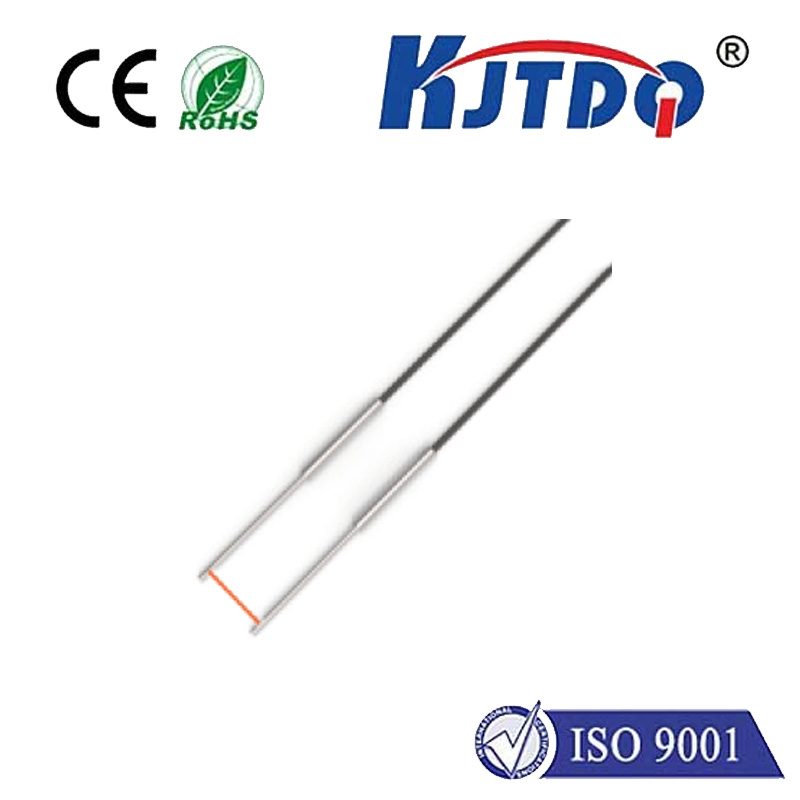
At its heart, the BR4M-TDT1 is a through-beam type photoelectric sensor. This design consists of two separate units: a transmitter and a receiver. The transmitter emits a focused beam of light, typically infrared or red visible light, which is then captured by the opposing receiver unit. Detection occurs when an object physically interrupts this light beam. This fundamental principle offers distinct advantages, most notably exceptional sensing ranges and high immunity to environmental factors like target color, reflectivity, or surface finish. Objects that are transparent, shiny, or dark are detected with equal consistency, making the through-beam method one of the most robust available.
The designation "BR4M-TDT1" encapsulates its key specifications. Models in this series are engineered for durability in challenging industrial settings. They often feature rugged, metal or high-grade plastic housings with ingress protection ratings such as IP67, safeguarding against dust and temporary water immersion. The "TDT" typically indicates a specific housing style, connection type, or output configuration, such as a pre-wired cable or quick-disconnect connector with NPN or PNP transistor outputs. Understanding these suffixes is crucial for selecting the correct model for voltage requirements (commonly 10-30V DC) and interface compatibility with your programmable logic controller (PLC) or other control circuitry.
Installation and alignment of a through-beam sensor like the BR4M-TDT1 require careful attention. The transmitter and receiver must be precisely opposed to ensure the beam is correctly received. Many units incorporate alignment indicators, often in the form of LED lights that change status when the beam is properly received. Proper mounting on stable surfaces using the provided brackets is essential to prevent misalignment from vibration or accidental impact. Once aligned, these sensors generally require minimal maintenance, providing long-term, stable operation.
The application spectrum for the BR4M-TDT1 is remarkably broad. In packaging machinery, it is indispensable for detecting the presence or absence of products on a conveyor, triggering actions like filling, capping, or boxing. Within the automotive assembly sector, these sensors verify component placement, count parts, and ensure robotic arms operate within safe parameters. They are pivotal in material handling for palletizing and depalletizing systems, ensuring correct stack height and position. Furthermore, in security systems, they can form invisible beams for intrusion detection on perimeters or access points.
Selecting the BR4M-TDT1 over other sensing technologies, such as diffuse-reflective or retro-reflective sensors, hinges on the application's demands. While diffuse sensors have a single unit, their sensing range is shorter and can be influenced by the target's properties. Retro-reflective sensors use a reflector but can be fooled by shiny objects. The through-beam design offers the longest possible range for a photoelectric sensor and the highest reliability for beam interruption detection, albeit at the cost of requiring two physical mounting points and careful alignment.
Troubleshooting is typically straightforward. Common issues include misalignment due to vibration, accumulation of dirt or debris on the lenses blocking the light beam, or electrical problems like incorrect wiring or power supply faults. Regular cleaning of the lenses with a soft cloth and periodic verification of alignment and output signal are recommended best practices. Always consult the manufacturer's datasheet for specific wiring diagrams, sensing ranges, and environmental limitations.
In conclusion, the BR4M-TDT1 photoelectric switch represents a proven, reliable solution for precise object detection across diverse industries. Its through-beam operation delivers unmatched performance for long-range and demanding detection tasks where other sensors may falter. By understanding its specifications, correct installation procedures, and ideal use cases, professionals can leverage this component to enhance system efficiency, safety, and automation reliability. For any project requiring dependable sensing, the BR4M-TDT1 series warrants serious consideration as a fundamental building block in a robust control system.