check

check

check

check
check
check
check
check

check

check
In the intricate world of industrial automation, the reliability of a single component can dictate the efficiency of an entire production line. Among these critical components, photoelectric switches stand as silent sentinels, ensuring seamless operation. The BR100-DDT-P photoelectric switch emerges as a premier solution, engineered to deliver unparalleled performance in diverse and demanding environments. This comprehensive guide delves into its features, applications, and the distinct advantages it offers to engineers and system integrators.
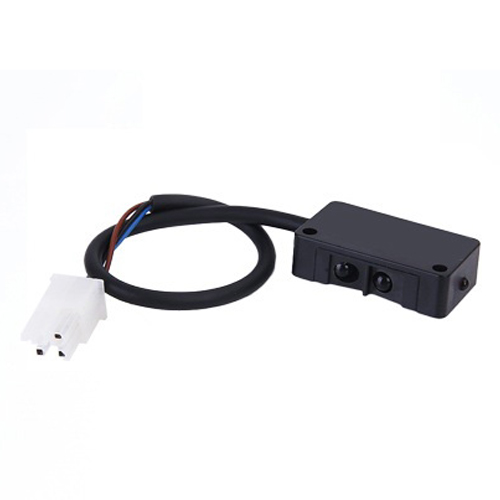
The BR100-DDT-P is a diffuse reflective photoelectric sensor, a design that simplifies installation and operation. Unlike through-beam sensors that require separate emitter and receiver units, this model houses both within a single, robust housing. It operates by emitting a beam of light—typically from an LED—and detecting the light that diffuses back from the target object. This principle makes it exceptionally versatile for detecting objects at a preset distance without the need for a reflector. A key specification is its sensing distance, which for the BR100-DDT-P is typically up to 100mm, providing a reliable range for close-proximity detection tasks commonly found in packaging, material handling, and assembly.
Durability is a cornerstone of its design. The housing is often constructed from high-grade materials like nickel-plated brass or stainless steel, offering superior resistance to corrosion, impacts, and environmental stressors such as oil, dust, and coolants. This robust build ensures a long operational life even in harsh factory settings. Furthermore, many models feature an IP67 protection rating, signifying complete protection against dust ingress and the ability to withstand temporary immersion in water. This makes the BR100-DDT-P suitable for washdown areas in food and beverage or pharmaceutical industries.
Electrical performance is equally impressive. The switch commonly operates on a wide range DC voltage, for instance, 10-30V DC, ensuring compatibility with various control systems. Its output is typically in the form of a solid-state NPN or PNP transistor, providing a fast, bounce-free signal to Programmable Logic Controllers (PLCs) or other control units. The response time is remarkably fast, often in the microsecond range, enabling the detection of very small or rapidly moving objects on high-speed conveyor lines without missing a beat. Many variants also include a visible red or green LED light beam and a status indicator, allowing for easy alignment and immediate visual confirmation of the operating state, drastically reducing setup and troubleshooting time.
The practical applications of the BR100-DDT-P photoelectric switch are vast. In automated packaging machinery, it reliably detects the presence of boxes, bottles, or pouches to trigger filling, sealing, or labeling operations. Within automotive assembly lines, it can verify the correct placement of components or count parts as they pass by. In material handling systems, it is used for level detection in bins or to signal the presence of an item at the end of a conveyor. Its diffuse reflective nature is perfect for detecting objects with varying surface colors or textures, although for highly reflective or dark absorbent surfaces, careful adjustment of the sensing distance or sensitivity potentiometer—a feature often included—is recommended for optimal performance.
Choosing the BR100-DDT-P over generic alternatives offers tangible benefits. Its precision engineering minimizes false triggers, a common headache that leads to production downtime. The enhanced durability reduces maintenance frequency and replacement costs. The ease of installation and alignment, thanks to its self-contained design and visual indicators, translates into lower labor costs and faster system integration. Ultimately, it contributes to higher Overall Equipment Effectiveness (OEE) by ensuring detection processes are consistent, reliable, and fault-tolerant.
When integrating this sensor, best practices should be followed. Ensure the power supply is stable and within the specified range. Mount the sensor securely to prevent vibration from misaligning the beam. Consider the environmental conditions; while it is robust, extreme temperatures or direct exposure to strong ambient light might require protective housings or filters. Regularly clean the lens to prevent the accumulation of dirt or grime that could attenuate the light beam. By adhering to these guidelines, the BR100-DDT-P will provide years of dependable service.
In conclusion, the BR100-DDT-P photoelectric switch represents a fusion of sophisticated sensing technology and rugged industrial design. It is more than just a component; it is a critical investment in the reliability and efficiency of an automated system. For engineers seeking a proven, versatile, and durable solution for object detection, the BR100-DDT-P stands as a benchmark, ensuring that the pulse of automation remains strong and uninterrupted.