check

check

check

check
check
check
check
check

check

check
In the complex and demanding world of industrial automation, reliability is not just a feature; it's the foundation. The M100-RT/76b/115a photoelectric switch stands as a testament to this principle, engineered to deliver unwavering performance in environments where failure is not an option. This comprehensive guide delves into the core attributes, applications, and selection criteria for this advanced sensing solution, providing engineers and system integrators with the insights needed to optimize their operations.
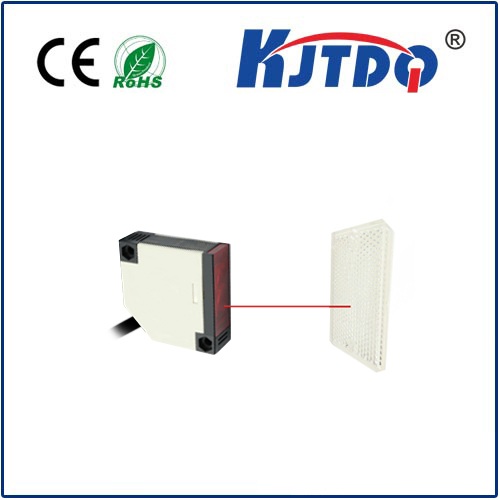
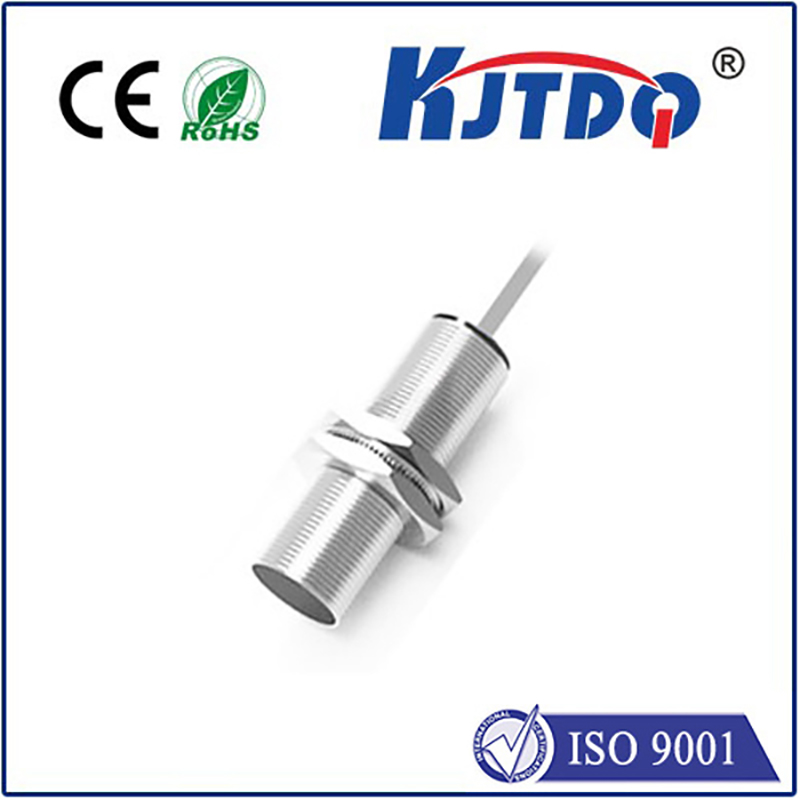
At its heart, the M100-RT/76b/115a is a retro-reflective photoelectric sensor. This design utilizes a built-in light emitter and receiver. The emitter projects a modulated light beam towards a specialized reflector. When an object interrupts this beam, the light is no longer reflected back to the receiver, triggering a swift and precise output signal. The "RT" designation specifically indicates this retro-reflective mode of operation. This method offers a significant advantage: it simplifies installation compared to through-beam sensors, as wiring is only required on one side of the detection point, while still providing a substantial sensing range.
The alphanumeric code "76b/115a" is crucial, as it defines the sensor's key electrical and physical characteristics. Typically, this denotes a specific voltage range and output configuration. For instance, it often signifies a 10-30V DC operating voltage with a complementary (PNP/NPN) switching output, ensuring broad compatibility with standard programmable logic controllers (PLCs) and industrial control systems. The housing is ruggedized, frequently rated at IP67 or higher, making it resistant to dust ingress and capable of withstanding temporary immersion in water. This robust construction ensures reliable functionality in harsh settings like packaging lines, material handling systems, and automotive assembly plants, where exposure to oil, coolant, and particulate matter is common.
One of the standout features of modern variants like the M100-RT is advanced diagnostic capability. Many models incorporate visible LED indicators for power, output status, and signal strength. This allows for rapid troubleshooting and alignment, minimizing downtime. Furthermore, features like background suppression technology or fixed cable versus connector versions (as hinted by the "115a" suffix, which may specify a cable type or length) provide flexibility for different mounting and connection requirements. The precise sensing range, often up to several meters, makes it ideal for detecting objects on conveyors, monitoring bin levels, or ensuring correct positioning in automated machinery.
Selecting the right photoelectric sensor is pivotal. For the M100-RT/76b/115a, key considerations extend beyond just the sensing mode. The environmental conditions are paramount. Will the sensor face extreme temperatures, heavy vibration, or direct spray? Its robust design addresses these challenges. Next, the object properties matter: size, color, material, and surface finish. While retro-reflective sensors are generally versatile, highly reflective or transparent objects may require sensors with specific light technologies. The required response speed and output type must match the control system's input card specifications. Finally, ease of installation and adjustment, facilitated by its compact design and clear indicators, reduces commissioning time and cost.
In practical application, the M100-RT/76b/115a proves its worth daily. On a bottling line, it reliably detects transparent plastic bottles, ensuring proper fill levels. In a warehouse automated storage and retrieval system (AS/RS), it verifies the presence of pallets, preventing collisions and optimizing inventory flow. Within automotive manufacturing, it ensures robotic arms pick and place components with pinpoint accuracy. Its reliability translates directly into increased productivity, enhanced safety, and reduced waste.
Maintenance, though minimal, is straightforward. Regular cleaning of the lens and the reflector ensures optimal performance by preventing the buildup of grime that could scatter or attenuate the light beam. Checking the mounting stability and cable integrity as part of routine preventive maintenance can prevent unforeseen failures.
In conclusion, the M100-RT/76b/115a photoelectric switch is more than just a component; it is a critical enabler of industrial efficiency and precision. Its robust retro-reflective design, defined electrical characteristics, and resilience under pressure make it a trusted choice for engineers worldwide. By understanding its specifications and aligning them with application needs, businesses can build more reliable, intelligent, and productive automated systems, securing a competitive edge in the modern industrial landscape.