check

check

check

check
check
check
check
check

check

check
In the intricate world of industrial automation, precision, reliability, and durability are non-negotiable. Sensors form the critical link between the physical movement of machinery and the digital control systems that govern them. Among these, the photoelectric switch stands as a versatile and widely trusted solution. Specifically, models like the LD31/LV31-6559/25/38/115 photoelectric switch have become integral components in countless applications, from packaging and material handling to automotive assembly and beyond. This guide delves into the features, benefits, and practical applications of this specific sensor type, explaining why it is a preferred choice for engineers and system integrators.
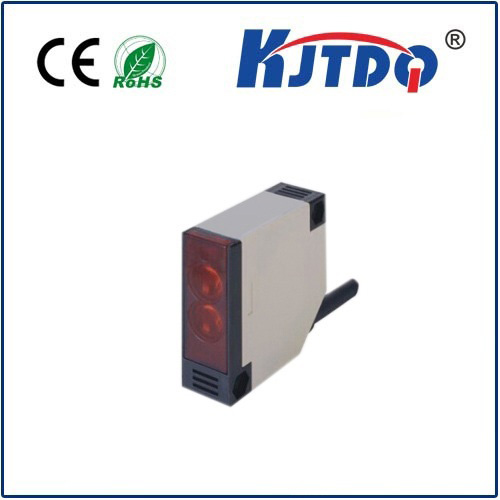
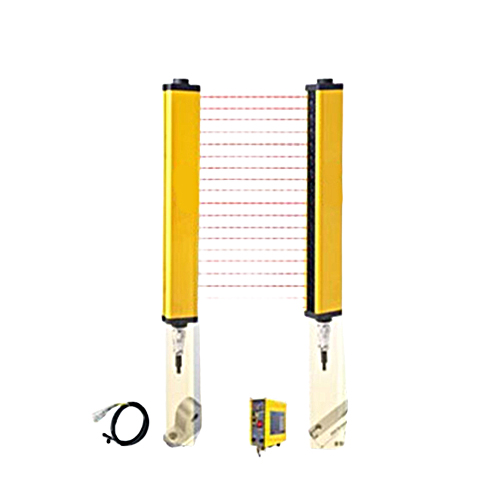
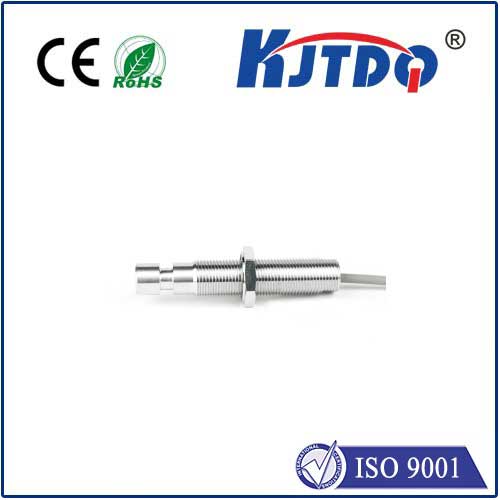
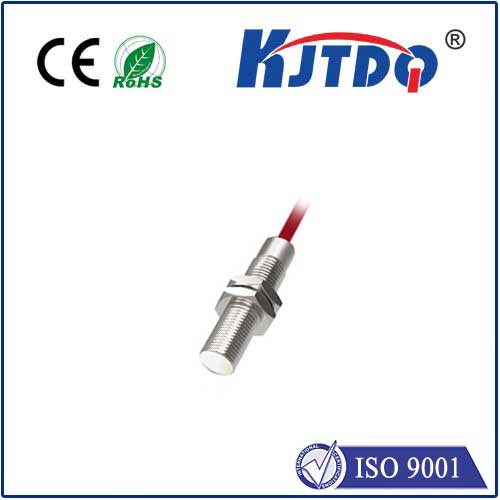
The LD31/LV31-6559/25/38/115 refers to a family of photoelectric sensors designed for demanding environments. The alphanumeric code typically denotes key specifications: sensing mode, housing style, sensing range, output configuration, and connection type. While exact interpretations can vary by manufacturer, a common breakdown suggests a robust, cylindrical housing (like the "31" series), a sensing range suitable for medium-distance detection, and specific electrical characteristics (like 25-38V DC operating voltage and a 115mm cable or similar). These sensors operate on a fundamental principle: they emit a beam of light (visible red or infrared) from a transmitter. A receiver then detects this light. An object's presence is determined by either interrupting this beam (through-beam mode) or reflecting it back to the receiver (retro-reflective or diffuse reflective modes).
What sets a high-performance sensor like this apart are its core features. First is exceptional sensing reliability. Advanced optics and stable circuitry ensure consistent detection even in environments with slight contamination or varying ambient light. The housing, often made of nickel-plated brass or high-grade plastic, provides an IP67 or higher protection rating. This makes the LD31/LV31-6559/25/38/115 resistant to dust ingress and capable of withstanding temporary immersion in water, a common requirement in washdown areas of food and beverage plants. Furthermore, these switches often incorporate a potentiometer or teach-in function for easy adjustment of sensitivity, allowing fine-tuning to detect specific objects while ignoring background interference.
The application spectrum for such a photoelectric switch is vast. In conveyor systems, they are used for precise object counting, jam detection, and positioning control. Their robust design makes them ideal for palletizing and depalletizing robots, where they verify the presence of a layer or a complete pallet. Within automated storage and retrieval systems (AS/RS), these sensors ensure the correct positioning of totes and trays. The specific voltage range (e.g., 25-38V DC) indicates compatibility with standard industrial control voltages, allowing for seamless integration into Programmable Logic Controller (PLC) networks. The quick-disconnect M12 or M8 connector, often implied by such part numbers, facilitates easy installation and maintenance, minimizing machine downtime.
When selecting a photoelectric sensor, several factors must be considered alongside the part number. The required sensing distance, the size and material of the target object, the required response speed, and the environmental conditions (temperature, humidity, exposure to chemicals) are all critical. The LD31/LV31-6559/25/38/115 series typically offers a solution that balances a practical sensing range with a rugged form factor. It is crucial to consult the manufacturer's datasheet for the exact specifications, including light source type (modulated LED for immunity to interference), output type (PNP/NPN, NO/NC), and specific housing dimensions.
Installation and maintenance are straightforward but vital for optimal performance. Ensuring the sensor is securely mounted and correctly aligned is the first step. For through-beam sensors, the transmitter and receiver must be precisely opposite each other. For reflective types, the background must be considered to avoid false triggers. Regular cleaning of the lens is recommended in dusty or dirty environments to maintain optical clarity. The long service life of the LED light source, often exceeding 100,000 hours, means these sensors provide years of maintenance-free operation under normal conditions.
In conclusion, the LD31/LV31-6559/25/38/115 photoelectric switch represents a class of industrial sensors built for performance and longevity. Its design addresses the core needs of modern automation: reliable non-contact detection, environmental resilience, and easy integration. By understanding its capabilities and proper application, engineers can significantly enhance the efficiency, safety, and reliability of their automated systems. For any project requiring accurate object detection in challenging industrial settings, this sensor family offers a proven and dependable solution.