check

check
check

check
check
check
check
check

check

check
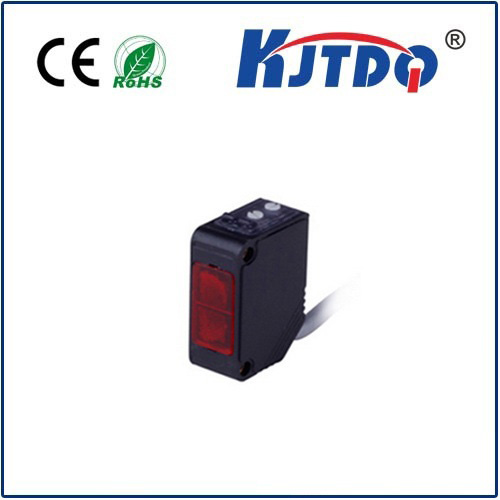
In the intricate world of industrial automation, the reliability and precision of sensing components are non-negotiable. Among the myriad of options available, the RL28-55/47/76a/105 photoelectric switch stands out as a cornerstone technology for engineers and system integrators demanding unwavering performance. This device is not just another sensor; it represents a sophisticated fusion of optical engineering and robust design, tailored to meet the rigorous demands of modern manufacturing, packaging, material handling, and safety systems.
The core principle behind the RL28-55/47/76a/105 is its advanced photoelectric sensing capability. It operates by emitting a beam of light—typically from an LED—and detecting changes in the received light signal. The specific model designation indicates a carefully calibrated set of parameters including sensing range, housing size, light source type, and output configuration. This allows it to excel in through-beam, retro-reflective, or diffuse reflective modes, adapting to various application challenges. Whether detecting the presence of a transparent bottle on a high-speed filling line, ensuring precise positioning of components on an assembly conveyor, or providing a safety curtain for machinery access points, this switch delivers consistent, millisecond-accurate responses.
Durability is a hallmark of the RL28-55/47/76a/105. Engineered for harsh industrial environments, its housing is designed to resist dust, moisture, and mechanical impact. Many variants feature robust IP67 or higher ingress protection ratings, ensuring reliable operation even when exposed to washdowns or airborne contaminants. The internal electronics are shielded against common electrical noise and voltage fluctuations prevalent in factory settings, guaranteeing signal integrity and minimizing false triggers that can lead to costly downtime.
Installation and integration are streamlined for efficiency. The compact yet rugged form factor of the RL28-55/47/76a/105 allows for flexible mounting in space-constrained locations. Clear visual indicators, such as LED status lights, provide immediate feedback on power and output state, simplifying setup and troubleshooting. Compatibility with standard PLC (Programmable Logic Controller) inputs and various voltage levels (e.g., 10-30V DC) makes it a versatile drop-in component for upgrading existing systems or designing new automation cells from the ground up.
The operational benefits are substantial. By implementing the RL28-55/47/76a/105 photoelectric switch, facilities achieve higher levels of automation accuracy, leading to improved product quality, reduced waste, and optimized production throughput. Its non-contact nature means no physical wear on the sensor or the target, translating to lower maintenance costs and extended service life compared to mechanical limit switches. In safety-critical applications, its fast response time and reliability are indispensable for protecting both personnel and equipment.
Selecting the right photoelectric switch requires careful consideration of the specific environment and task. Factors such as sensing distance, target material, color, size, and ambient light conditions must be evaluated. The RL28-55/47/76a/105 series offers a range of options within its family to address these variables. Consulting technical datasheets or engaging with sensor specialists is recommended to match the exact model specifications—like the beam type, output logic (NPN/PNP), and connection style—to the application's unique requirements.
In conclusion, the RL28-55/47/76a/105 photoelectric switch is more than a component; it is a critical enabler of efficiency, safety, and precision in automated processes. Its proven performance in diverse and demanding settings makes it a trusted choice for industry professionals seeking to enhance system reliability and operational intelligence. As automation continues to evolve, the role of such high-fidelity sensors remains fundamentally important, solidifying their position as essential elements in the architecture of smart manufacturing and beyond.