check

check

check
check
check
check
check
check

check

check
In the world of industrial automation and machine control, precision and reliability are non-negotiable. The E3F-DS10N12 photoelectric switch stands as a cornerstone component for countless applications demanding accurate object detection. This comprehensive guide delves into the specifics of this sensor, exploring its operation, key features, and the critical role it plays in modern systems.
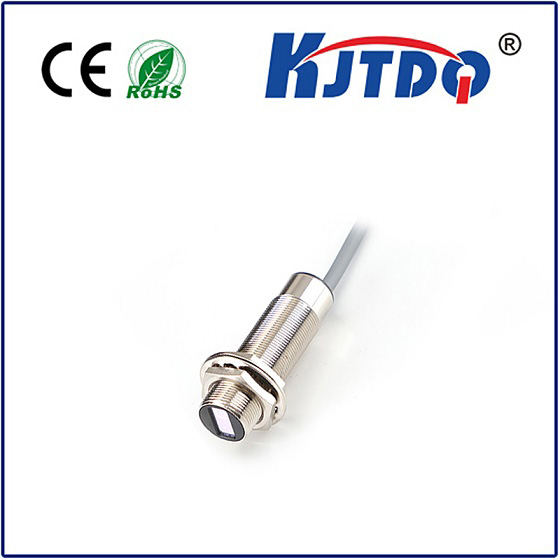
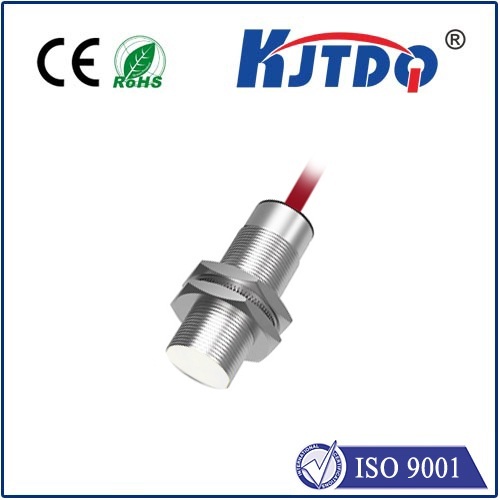
At its core, the E3F-DS10N12 is a diffuse reflective photoelectric sensor. It operates on a simple yet effective principle: an internal infrared light-emitting diode (LED) projects a beam of light. When this beam strikes an object within its sensing range, light is diffusely reflected back towards the sensor. A phototransistor inside the unit detects this reflected light, triggering an output signal change. This "through-beam" style in a single housing makes installation straightforward, requiring only one mounting point compared to separate emitter and receiver units. The "N12" designation typically indicates a 12mm diameter cylindrical housing and a sensing distance, in this diffuse mode, of up to 100mm, though exact specifications should always be verified with the official datasheet.
The reliability of the E3F-DS10N12 stems from several engineered features. It is designed to be resilient in challenging industrial environments. Many models come with an IP67 protection rating, making them dust-tight and capable of withstanding temporary immersion in water. This robustness ensures consistent performance on factory floors where dust, moisture, and occasional splashes are common. The sensor typically provides a stable NPN or PNP output (depending on the specific variant), easily interfacing with programmable logic controllers (PLCs), counters, and other control systems. Its compact cylindrical design allows for flexible mounting in tight spaces, and the presence of a status LED provides immediate visual confirmation of its operational state and output condition, aiding immensely in setup and troubleshooting.
Practical applications for the E3F-DS10N12 are vast and varied. It is commonly employed on conveyor lines to detect the presence or absence of products, bottles, or packages, triggering subsequent actions like sorting, counting, or stopping a process. In packaging machinery, it ensures correct box positioning or verifies flap closure. It can act as a level sensor in bins or hoppers, detecting when material reaches a certain height. Furthermore, it finds use in automated assembly stations to confirm component placement or in security systems for intrusion detection. Its versatility makes it a go-to solution for engineers seeking a dependable, cost-effective sensing solution.
Selecting and installing the E3F-DS10N12 requires attention to detail. Key parameters to consider include the required sensing distance, the size and color of the target objects (as different materials and colors reflect light differently), the response time needed for the application, and the electrical requirements (voltage range, output type). For optimal performance, correct alignment and mounting are crucial. The sensor should be positioned so the target object passes consistently within its specified sensing range. Environmental factors like ambient light, which could potentially interfere with the infrared beam, must also be considered. Many models feature a potentiometer for sensitivity adjustment, allowing fine-tuning to ignore background objects or detect challenging surfaces.
Maintenance is generally minimal but essential for long-term reliability. Periodically cleaning the lens of dust or grime ensures the infrared light can be emitted and received without attenuation. Checking the mounting for stability and verifying the electrical connections can prevent unexpected downtime. When performance issues arise, a systematic approach—checking power supply, observing the status LED, testing with a known good target, and verifying the output with a multimeter—will quickly isolate most problems.
In conclusion, the E3F-DS10N12 photoelectric switch exemplifies the blend of simplicity, durability, and precision required in industrial sensing. Its diffuse reflective design offers a practical balance of performance and ease of use for a multitude of detection tasks. By understanding its operating principles, specifications, and application best practices, technicians and engineers can effectively integrate this sensor to enhance automation efficiency, improve safety, and ensure the smooth operation of complex machinery. As automation continues to evolve, components like the E3F-DS10N12 remain fundamental building blocks for intelligent, responsive systems.