check

check

check
check
check
check
check
check

check

check
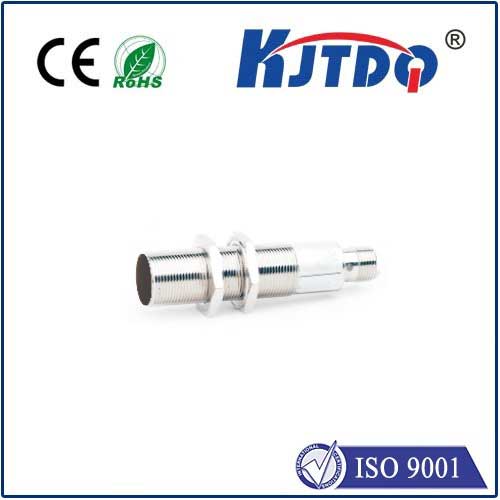
In the rapidly evolving landscape of industrial automation, the reliability and precision of sensor technology are paramount. The QS30RRXQ photoelectric switch stands as a critical component in this domain, offering robust performance for a wide array of applications. This device exemplifies the integration of advanced optoelectronics to solve complex detection challenges in manufacturing, packaging, material handling, and beyond.
The core functionality of the QS30RRXQ lies in its ability to detect objects without physical contact. Utilizing a modulated infrared LED light source and a synchronized receiver, it identifies the presence, absence, or position of an item by interpreting changes in the light beam. This particular model is renowned for its through-beam sensing method, where the emitter and receiver are housed in separate units. This configuration allows for exceptionally long sensing ranges and high immunity to environmental interference such as dust, steam, or target surface characteristics like color or reflectivity. Objects that interrupt the beam between the two units are reliably detected, making it ideal for demanding industrial settings.
Durability is a non-negotiable feature for industrial components. The QS30RRXQ is typically encased in a rugged, metal or high-grade polymer housing designed to withstand harsh conditions, including exposure to oils, coolants, and mechanical impacts. Its construction often meets specific Ingress Protection (IP) ratings, ensuring it remains operational in the presence of moisture and particulate matter. This resilience translates directly into reduced downtime and lower maintenance costs, a key consideration for operational managers focused on total cost of ownership.
Installation and integration are streamlined by thoughtful design. Many versions of the QS30RRXQ switch come with versatile mounting options, adjustable brackets, and clear alignment indicators to simplify setup. Electrical connections are straightforward, typically featuring quick-disconnect connectors or pre-wired cables, compatible with standard PLC (Programmable Logic Controller) inputs. The output is usually in the form of a solid-state switch or a relay, providing a clean signal to control machinery, count items, or trigger safety protocols. Some advanced variants may include features like adjustable sensitivity or time-delay functions, offering greater control over the detection process.
The practical applications of the QS30RRXQ photoelectric sensor are vast. In automotive assembly lines, it ensures parts are correctly positioned for robotic welding. In food and beverage packaging, it verifies that bottles or containers are filled to the proper level on high-speed conveyors. In logistics warehouses, it counts boxes passing through sorting systems and ensures pallets are correctly aligned. Its long-range capability is particularly useful for large-scale applications, such as detecting vehicles on assembly tracks or monitoring the breakage of materials in bulk handling.
Choosing the right sensor for a specific task involves several factors. The QS30RRXQ is particularly suited for applications requiring long-distance detection, often up to several meters, where the environment may be challenging for reflective sensors. When selecting this or any photoelectric switch, engineers must consider the sensing range required, the size and nature of the target object, the ambient light conditions, and the required response speed. Proper alignment during installation is crucial for optimal performance of this through-beam system.
Ultimately, the QS30RRXQ photoelectric switch represents more than just a component; it is a facilitator of efficiency, safety, and quality control. By providing accurate, non-contact detection, it enables smoother automation processes, enhances product consistency, and contributes to safer working environments by replacing mechanical limit switches that are prone to wear. As industries continue to push towards smarter, more connected operations—the Industrial Internet of Things (IIoT)—sensors like the QS30RRXQ form the essential sensory layer that feeds critical data into larger control systems. Its proven performance in diverse and tough conditions makes it a trusted choice for engineers and system integrators worldwide, solidifying its role as a fundamental building block in modern industrial automation infrastructure.