check

check

check

check
check
check
check
check
check

check
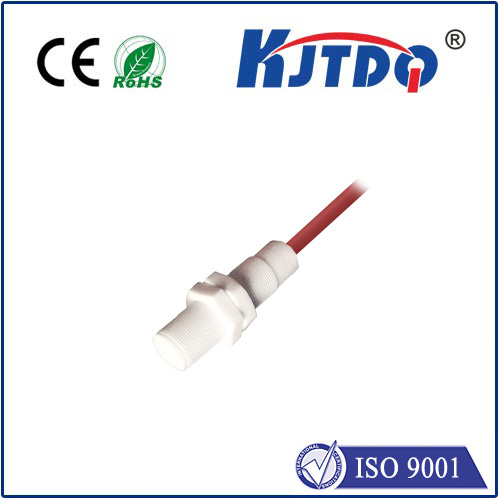
In modern industrial automation, reliability and precision are non-negotiable. The KJTDQ QS30VR3FF400 photoelectric switch stands as a critical component designed to meet these rigorous demands. This device exemplifies advanced sensing technology, engineered to deliver consistent performance in diverse and challenging environments.
The QS30VR3FF400 is a through-beam photoelectric sensor. This design involves a separate emitter and receiver unit. The emitter projects a focused beam of light, which is detected by the receiver. An object is sensed when it interrupts this light beam. This method offers significant advantages, including a long sensing range and high immunity to environmental interferences such as dust, ambient light, or target surface color and reflectivity. The "400" in its model number typically indicates a sensing distance, often up to 4 meters or more, making it suitable for applications requiring detection over wider areas, like conveyor belt systems, automated storage and retrieval systems, and large machinery safety curtains.
Durability is a cornerstone of the QS30VR3FF400's design. Housed in a robust, typically metal or high-grade plastic casing, it is built to withstand the harsh conditions prevalent in industrial settings. This includes resistance to vibration, minor impacts, and exposure to oils or coolants. Many models feature an IP67 or higher ingress protection rating, ensuring reliable operation even when exposed to dust and temporary water immersion. This rugged construction minimizes downtime and maintenance costs, contributing directly to higher overall equipment effectiveness.
Electrical specifications are tailored for seamless integration into standard control systems. The sensor commonly operates on a 10-30V DC supply, providing a stable and clean switching signal. Its output is often in the form of a solid-state NPN or PNP transistor, ensuring fast response times and a long operational life free from the wear and tear associated with mechanical contacts. The quick-disconnect connector or pre-wired cable options facilitate easy installation and replacement, reducing system setup time.
The practical applications of the KJTDQ QS30VR3FF400 are extensive. In packaging lines, it accurately detects the presence or absence of products on a fast-moving conveyor, triggering subsequent actions like filling, capping, or labeling. Within the automotive industry, it is employed for precise part positioning in assembly robots and for ensuring worker safety by monitoring access to hazardous machine zones. In material handling, these sensors manage inventory by counting objects as they pass through a gateway or by verifying that pallets are correctly positioned for forklift pickup.
Selecting the right photoelectric switch involves careful consideration of several factors. The required sensing distance is paramount; the QS30VR3FF400's long-range capability makes it ideal for large-scale applications. The environmental conditions, such as the level of dust, moisture, or potential for physical damage, must align with the sensor's IP rating and housing material. Furthermore, the output type must be compatible with the programmable logic controller or other control circuitry in use. The object characteristics, including size, color, and material, are less of a concern for through-beam models compared to reflective types, but ensuring the object is large enough to reliably break the beam is still necessary.
Installation and alignment are straightforward but crucial for optimal performance. The emitter and receiver must be securely mounted and precisely aligned so that the light beam is directly received. Many units incorporate alignment indicators, such as LED lights that change color or intensity when the beam is properly received. Regular maintenance involves keeping the lenses clean from dirt or debris and periodically checking the mounting stability to prevent misalignment from vibration.
Troubleshooting common issues typically revolves around a loss of signal. The first step is to verify the power supply and electrical connections. Next, inspect the alignment of the emitter and receiver; even a slight shift can break the beam path. Cleaning the lenses and checking for any physical obstructions in the sensing path are essential steps. Understanding the sensor's indicator lights is key, as they often provide diagnostic information about power status, output activation, and beam reception strength.
The integration of the QS30VR3FF400 into a broader automation network highlights its role in the Industrial Internet of Things. While a standalone sensor provides basic detection, its real value multiplies when its data is communicated to higher-level systems. This enables predictive maintenance, where operational data can forecast potential failures before they occur, and detailed production analytics, offering insights into cycle times, throughput, and efficiency bottlenecks.
In conclusion, the KJTDQ QS30VR3FF400 photoelectric switch is more than just a component; it is a foundational element for building resilient, efficient, and intelligent automated systems. Its through-beam design, environmental robustness, and reliable electrical interface make it a versatile solution for countless industrial sensing tasks. By ensuring accurate and dependable object detection, it helps streamline operations, enhance safety, and drive productivity, solidifying its place as a trusted tool in the automation engineer's arsenal.