check

check

check

check
check
check
check
check

check
check
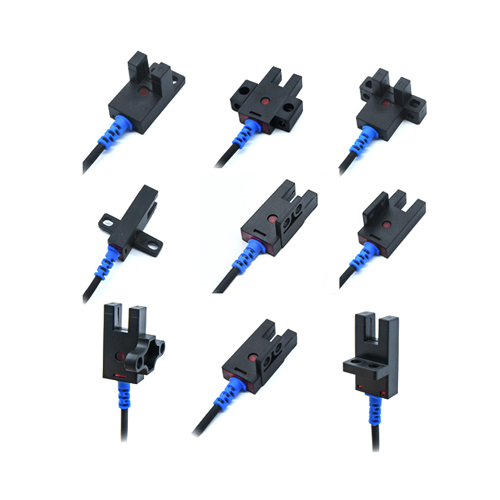
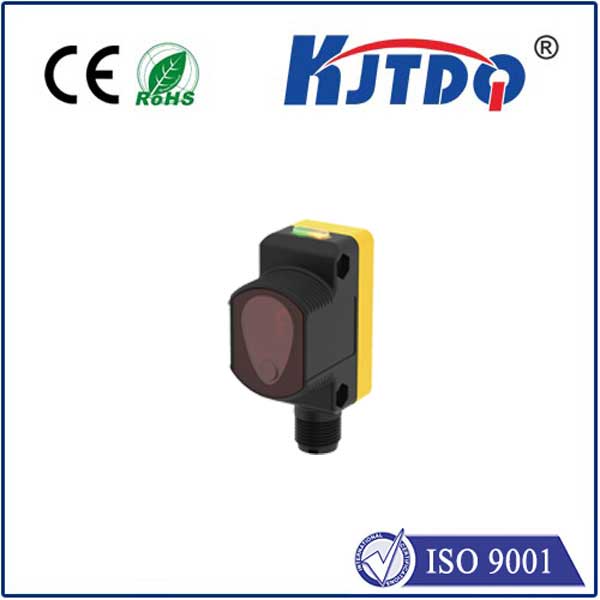
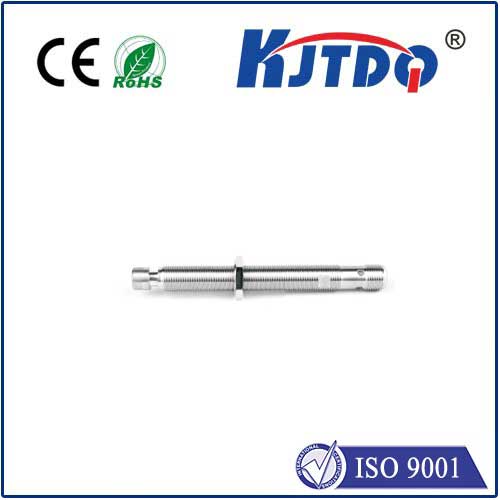
In the fast-paced world of industrial automation, precision, reliability, and durability are non-negotiable. The KT11-50/25/102/115 photoelectric switch stands as a testament to engineering excellence, designed to meet the rigorous demands of modern manufacturing, packaging, material handling, and assembly lines. This versatile sensor is not just another component; it is a critical enabler of efficiency, safety, and seamless operational flow.
At its core, the KT11-50/25/102/115 is a through-beam photoelectric sensor. This design features a separate transmitter and receiver unit. The transmitter emits a focused beam of light, typically infrared or laser, which is then detected by the receiver positioned opposite. An object is sensed when it interrupts this light beam. This principle offers distinct advantages, including exceptional sensing ranges, high precision, and reliable operation even in environments with airborne contaminants like dust or light smoke, as the alignment is direct and less susceptible to interference compared to reflective models.
The model number itself reveals key specifications. The "KT11" denotes the series and form factor. The "50" often indicates a sensing distance, in this case, up to 50 meters for the through-beam configuration, making it ideal for large-scale applications like warehouse door monitoring or long conveyor belts. The "25" could refer to a 25mm housing diameter or a specific variant. The "102" and "115" likely specify the electrical characteristics, such as operating voltage ranges (e.g., 10-30V DC) and output type (e.g., NPN or PNP transistor output). This precise coding allows engineers to quickly identify a sensor perfectly matched to their voltage and control system requirements, whether interfacing with a Programmable Logic Controller (PLC), relay, or other industrial control devices.
Durability is paramount in industrial settings. The KT11-50/25/102/115 is typically housed in a robust metal or high-grade industrial plastic casing, offering high ingress protection ratings like IP67. This means it is completely dust-tight and can withstand temporary immersion in water, allowing it to perform flawlessly in washdown areas, outdoor installations, or harsh workshops. Its construction resists vibrations, mechanical shocks, and common industrial chemicals, ensuring a long service life and minimal maintenance, which directly translates to lower total cost of ownership.
Installation and alignment, often a concern with through-beam sensors, are simplified in well-designed models. Many feature built-in alignment aids such as visible red light beams or precise mounting threads. The stable through-beam principle itself, once aligned, provides a consistent signal less prone to false triggers from reflective backgrounds or ambient light fluctuations, a common challenge with diffuse reflective sensors. This stability is crucial for applications like counting products on a high-speed line, detecting precise object positions for robotic arms, or ensuring safety by monitoring guard door positions.
Consider its application in a bottling plant. The KT11-50/25/102/115 can be installed across a conveyor to accurately count every bottle passing through, ensuring production quotas are met. In automated storage and retrieval systems, it can detect the presence of a pallet at the end of a rack, preventing collisions. In packaging machinery, it can verify that a case is in the correct position before sealing. Its long-range capability makes it perfect for monitoring the open/closed status of large gates or detecting vehicles on an assembly line.
When selecting a photoelectric switch, factors like sensing range, response time, environmental resistance, and output compatibility are critical. The KT11-50/25/102/115 addresses these comprehensively. Its fast response time allows it to keep up with high-speed automation. The choice between light-on or dark-on operation mode provides flexibility for different control logics. Compatibility with standard M12 or M8 connectors further eases integration into existing control panels and wiring harnesses.
For system integrators and plant managers, choosing a component like the KT11-50/25/102/115 is an investment in operational integrity. It reduces downtime caused by sensor failure, enhances the accuracy of automated processes, and contributes to a safer working environment by providing reliable presence detection. It represents a mature, proven technology that continues to be the backbone of countless automation solutions worldwide.
In conclusion, the KT11-50/25/102/115 photoelectric switch is more than a part number. It is a reliable, high-performance solution engineered for the challenges of industrial sensing. Its through-beam design, robust construction, long-range capability, and precise electrical specifications make it a versatile and dependable choice for engineers seeking to optimize their automation systems for peak performance and reliability.