check

check

check

check
check
check
check
check

check
check
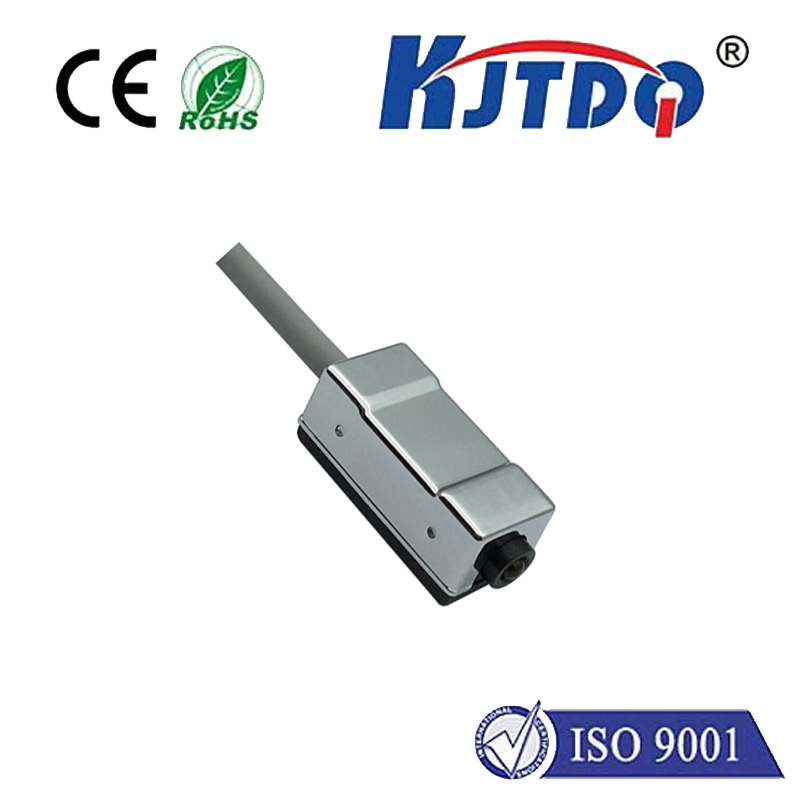
In the fast-paced world of industrial automation, precision and reliability are non-negotiable. The QS30R photoelectric switch stands as a cornerstone in this demanding environment, offering a robust solution for countless sensing applications. This versatile sensor utilizes a modulated infrared LED light source and a corresponding receiver to detect the presence or absence of objects without physical contact. Its fundamental principle is elegantly simple yet incredibly effective: the sensor emits a beam of light; when an object interrupts this beam, the receiver detects the change, triggering an output signal. This non-contact method eliminates mechanical wear and tear, ensuring a significantly longer operational lifespan compared to mechanical limit switches.
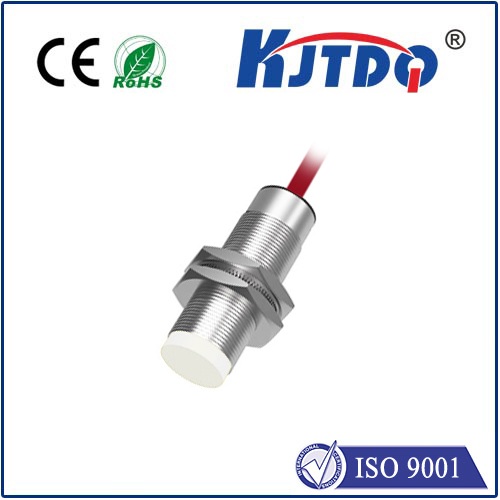
The QS30R series is renowned for its exceptional build quality and environmental resilience. Housed in a rugged, threaded barrel typically constructed from nickel-plated brass or stainless steel, these sensors are engineered to withstand harsh conditions. They offer impressive protection ratings, often reaching IP67, which means they are dust-tight and can withstand temporary immersion in water. This makes them ideal for challenging settings such as packaging lines, material handling systems, automotive manufacturing, and food processing plants where exposure to dust, moisture, and vibrations is common. Their robust design ensures consistent performance where less durable sensors would fail.
One of the key strengths of the QS30R photoelectric switch lies in its sensing modes. Primarily available in through-beam (also called opposed mode) and retro-reflective configurations, it caters to diverse needs. The through-beam model, with a separate emitter and receiver, provides the longest sensing range and highest reliability, as it requires the object to physically break a direct beam. The retro-reflective version combines the emitter and receiver in a single housing, bouncing the beam off a dedicated reflector. This mode offers easier installation and alignment while maintaining a generous sensing distance. Advanced models may also feature background suppression or diffuse sensing capabilities for detecting objects regardless of color or reflectivity.
Installation and alignment of the QS30R are straightforward, contributing to reduced downtime. Many models feature a visible red LED beam or a separate alignment indicator that simplifies the setup process. The electrical output is typically a solid-state NPN or PNP transistor, providing a fast, bounce-free signal compatible with programmable logic controllers (PLCs), counters, and other control systems. Users must pay close attention to wiring, ensuring correct connections to the power supply (commonly 10-30V DC) and load to avoid damage. Proper mounting, considering factors like vibration and potential physical impact, is crucial for long-term reliability.
When selecting a QS30R photoelectric switch for a specific application, several critical parameters must be evaluated. The sensing range is paramount—ensuring the sensor can reliably detect the target at the required distance. Response time is another vital factor, especially in high-speed applications like sorting or bottling. The sensor must be able to switch its output fast enough to keep up with the production line speed. Environmental factors such as ambient light, temperature extremes, and the presence of airborne contaminants like oil mist or steam can also influence sensor selection. Choosing a model with the appropriate housing material, lens type, and output configuration is essential for optimal performance.
Regular maintenance, though minimal, is important to sustain peak performance. Keeping the lens clean from dust, grime, or product residue ensures the light beam is not attenuated. Periodically checking the mounting hardware for tightness and inspecting the cable for damage can prevent unexpected failures. Understanding the sensor's indicators, like a stable power LED versus a flickering output LED, aids in quick troubleshooting.
In conclusion, the QS30R photoelectric switch represents a mature, proven technology that continues to be a workhorse in industrial sensing. Its durability, versatility, and reliability make it a default choice for engineers and technicians designing or maintaining automated systems. By understanding its operating principles, configurations, and application considerations, professionals can leverage this sensor to enhance efficiency, improve safety, and ensure the smooth operation of complex machinery. In an era of increasingly smart factories, the dependable performance of components like the QS30R forms the essential backbone upon which advanced automation is built.