check

check

check

check
check
check
check
check

check
check
In the world of industrial automation, precision and reliability are non-negotiable. The E3FA-TP21-D/L photoelectric switch stands as a cornerstone in this demanding environment, offering a robust solution for countless detection and control applications. This comprehensive guide delves into the features, applications, and benefits of this versatile sensor, explaining why it is a preferred choice for engineers and system integrators globally.
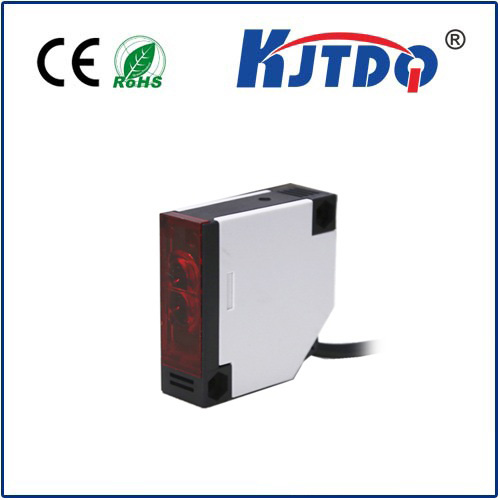
At its core, the E3FA-TP21-D/L is a diffuse-reflective photoelectric sensor. This means it houses both the light emitter (typically an LED) and the receiver in a single unit. It operates by projecting a light beam onto a target object. The sensor detects the light diffusely reflected from the object's surface. The "D/L" suffix often indicates specific characteristics, such as a long sensing range or a particular light source (like a red or laser light), providing enhanced precision for detecting small or low-reflectivity objects. This design eliminates the need for a separate reflector, simplifying installation and reducing component costs.
The construction of the E3FA-TP21-D/L is engineered for durability. Housed in a rugged, typically cylindrical metal or high-grade plastic body, it boasts significant resistance to environmental challenges. Many models feature an IP67 or higher ingress protection rating, making them dust-tight and capable of withstanding temporary immersion in water. This resilience ensures stable operation in settings exposed to oil, coolant sprays, and particulate matter common in manufacturing plants, packaging lines, and material handling systems.
One of its key strengths is operational flexibility. These switches often come with adjustable sensing ranges, allowing fine-tuning for specific tasks. They offer various output configurations, including NPN or PNP transistor outputs, to seamlessly interface with Programmable Logic Controllers (PLCs), relays, and other control systems. Features like a built-in sensitivity potentiometer or teach-in functionality enable quick setup and adaptation to different target colors and surfaces, from shiny metallic parts to dark cardboard boxes.
The practical applications of the E3FA-TP21-D/L photoelectric switch are vast. On assembly lines, it reliably detects the presence or absence of components, ensuring correct part placement. In packaging machinery, it counts products, verifies fill levels, and monitors label positions. Within automated storage and retrieval systems, it positions pallets and detects objects on conveyors. Its ability to sense objects without physical contact prevents product damage and minimizes mechanical wear, leading to lower maintenance costs and higher system uptime.
Selecting and implementing this sensor requires attention to detail. Key factors include the required sensing distance, the size and reflectivity of the target object, the response speed needed for the application, and the environmental conditions. Proper mounting is crucial; ensuring a stable fixture and aligning the sensor correctly to the target path guarantees consistent performance. Regular maintenance, such as cleaning the lens from dust or grime, preserves long-term accuracy and reliability.
When compared to other sensing technologies like inductive proximity sensors (which only detect metals) or ultrasonic sensors, the E3FA-TP21-D/L photoelectric switch offers distinct advantages. It can detect virtually any material—plastic, glass, wood, liquid, or metal—as long as it reflects light. This universality, combined with its fast response time and non-contact operation, makes it an indispensable tool. Its versatility often provides a more cost-effective and simpler solution than more specialized sensors.
In conclusion, the E3FA-TP21-D/L photoelectric switch embodies the essential qualities needed for modern industrial sensing: robustness, accuracy, and adaptability. Its diffuse-reflective principle, coupled with a tough build and flexible features, solves complex detection challenges across diverse sectors. By understanding its capabilities and proper integration methods, businesses can enhance their automation processes, improve quality control, and boost overall operational efficiency, securing a reliable return on investment from this fundamental automation component.