check

check

check

check
check
check
check
check

check

check
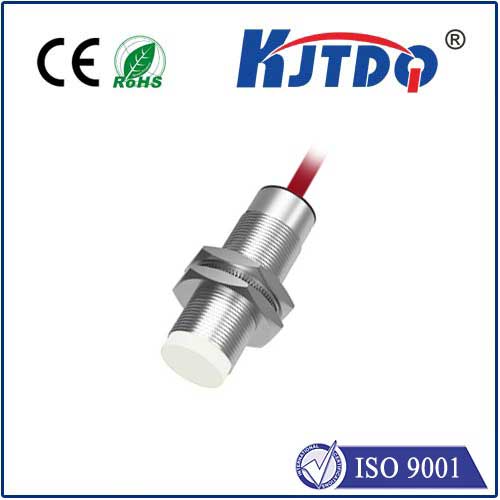
In the demanding world of industrial automation, precision, reliability, and durability are non-negotiable. The BB10-T/33/76b/115-7m photoelectric switch stands as a prime example of a sensing component engineered to meet these rigorous standards. This device is designed to deliver consistent performance in diverse and challenging environments, making it a critical component for countless automation systems.
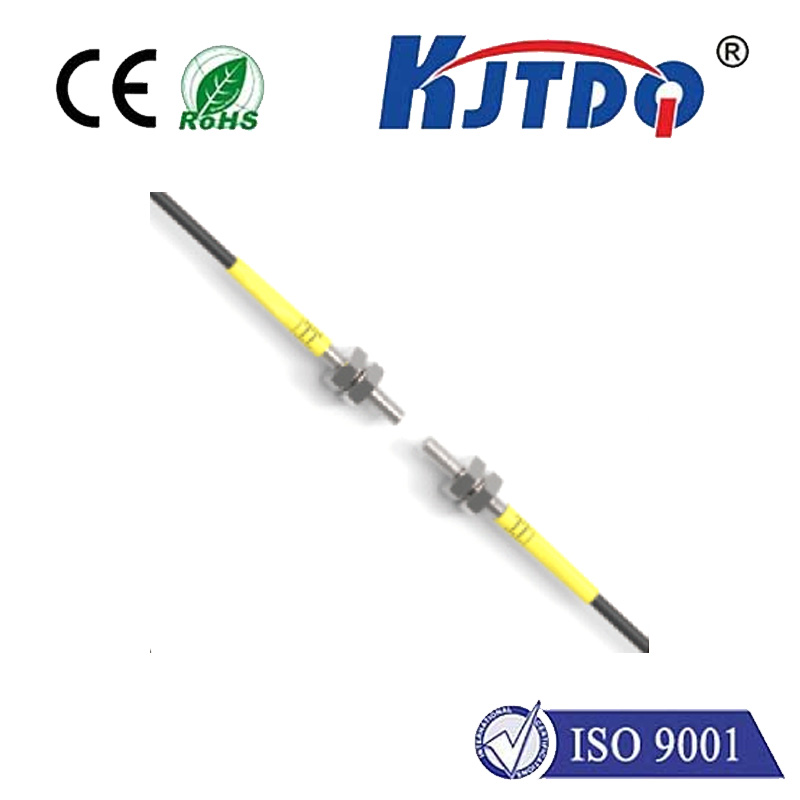
The core function of the BB10-T/33/76b/115-7m is object detection. Utilizing a through-beam sensing method, it consists of two separate units: a transmitter and a receiver. The transmitter emits a focused beam of light, typically infrared or red visible light, which is then captured by the receiver. When an object passes between these two units, it interrupts the light beam. This interruption is instantly detected by the receiver, which triggers a switching signal. This fundamental principle allows for highly accurate detection over relatively long distances, a key feature of the 7-meter sensing range specified in its model number. This makes it ideal for applications requiring detection across conveyor belts, entry/exit points of machinery, or large material handling systems.
The specific model code, BB10-T/33/76b/115-7m, provides detailed information about its capabilities. The "T" denotes the through-beam type. The "33" often refers to the housing style and thread size, commonly indicating a robust cylindrical metal housing. The "76b" typically specifies the light source and modulation type, ensuring immunity to ambient light interference. The "115" signifies the operating voltage, compatible with standard control circuit voltages. Finally, the "7m" clearly states its maximum sensing distance of 7 meters, offering a substantial range for flexible system design.
Durability is a cornerstone of this photoelectric switch's design. The housing is constructed to withstand industrial hazards such as dust, moisture, and mechanical impact. Many variants come with an IP67 protection rating, meaning they are dust-tight and can withstand temporary immersion in water. This resilience ensures minimal downtime and maintenance, even in harsh settings like packaging plants, automotive assembly lines, or woodworking facilities. The consistent performance reduces false triggers and signal loss, directly contributing to smoother production flow and higher overall equipment effectiveness (OEE).
Installation and integration are straightforward. The device typically features a pre-wired cable or a connector for easy electrical connection. Alignment of the transmitter and receiver, while critical for through-beam models, is facilitated by visual indicators or alignment aids. Once properly aligned and connected to a programmable logic controller (PLC) or other control system, it provides a reliable digital input for processes like counting, positioning, jam detection, or safety interlocking.
Consider a bottling plant as a practical application. Here, BB10-T/33/76b/115-7m sensors can be positioned on either side of a conveyor to detect the presence of bottles. They ensure each bottle is in the correct position for filling, capping, and labeling. Their long range allows for placement outside the direct splash zone of liquids, while their robust housing protects against constant humidity and cleaning cycles. In automated storage and retrieval systems, these sensors verify the passage of pallets through warehouse aisles, providing essential data for inventory tracking and system coordination.
When selecting a sensor for an application, the BB10-T/33/76b/115-7m offers distinct advantages. Its through-beam design provides the highest reliability for detection, as it is less susceptible to the color, reflectivity, or surface finish of the target object compared to reflective or diffuse sensors. The specified 7-meter range offers design flexibility without requiring additional reflectors. For engineers and system integrators, choosing a component with such clear, standardized specifications simplifies the design process and ensures compatibility with existing control architectures.
Ultimately, the value of the BB10-T/33/76b/115-7m photoelectric switch lies in its contribution to system uptime and precision. By providing a dependable signal for the presence or absence of an object, it forms the sensory foundation upon which automated decisions are made. Its design prioritizes long-term operation with minimal intervention, a crucial factor for cost-sensitive and efficiency-driven industrial operations. For applications demanding reliable long-range detection in tough conditions, this sensor model represents a proven and effective solution.