check

check

check

check
check
check
check
check

check

check
In the demanding world of industrial automation, the reliability and accuracy of every component are non-negotiable. The LA28/LK28-Z-F2/31/116 photoelectric switch stands as a testament to this principle, offering a robust and versatile sensing solution for a myriad of applications. This device is engineered to deliver consistent performance in environments where precision, durability, and adaptability are paramount.
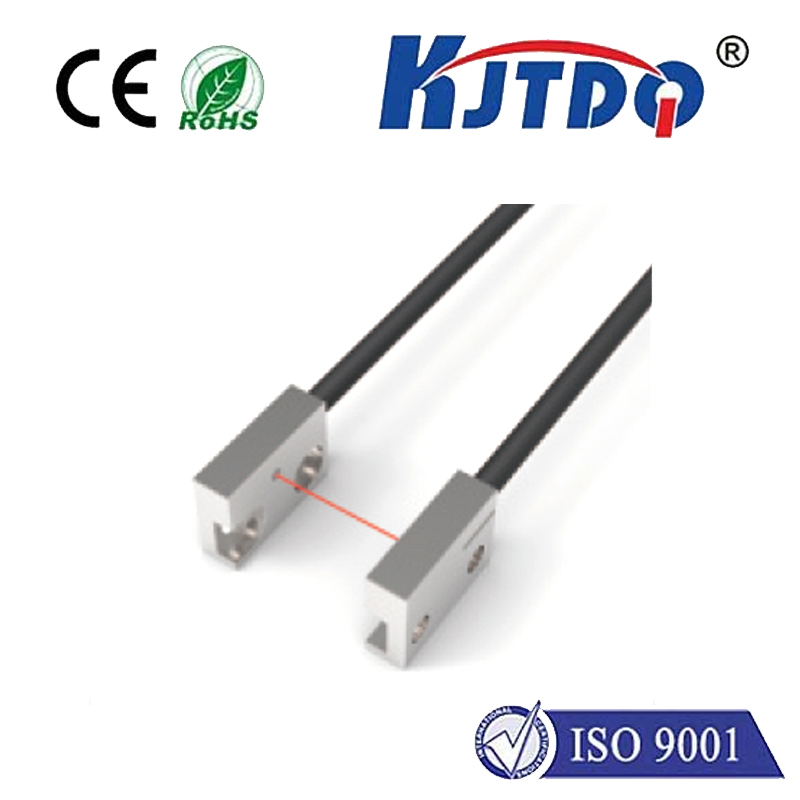
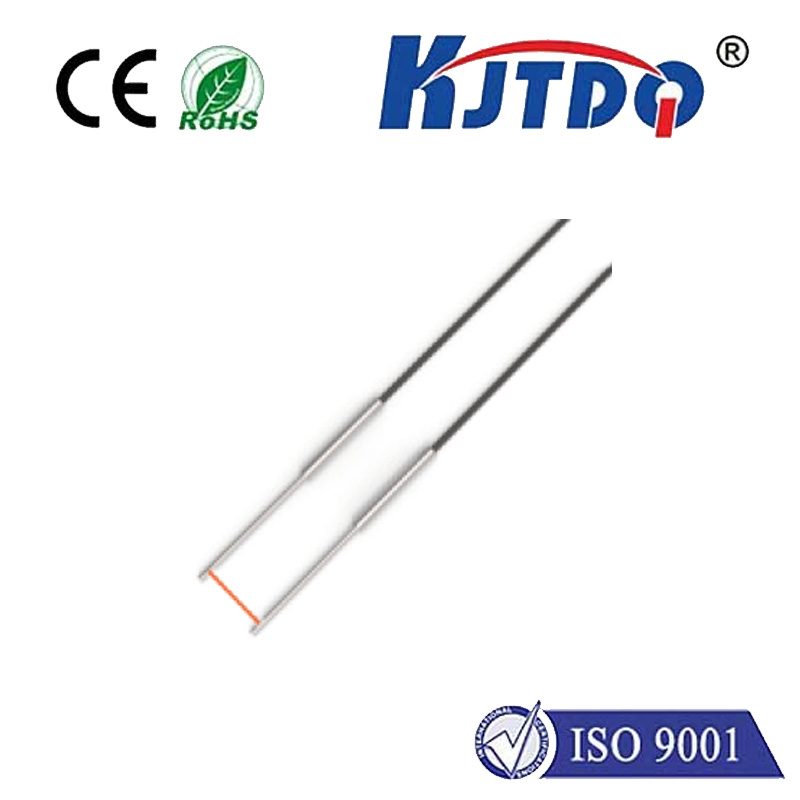
At its core, the LA28/LK28-Z-F2/31/116 is a through-beam photoelectric sensor. This design features a separate transmitter and receiver unit. The transmitter emits a focused beam of light, typically infrared or laser, which is then captured by the opposing receiver. An object is detected when it interrupts this light beam. This method provides several distinct advantages, including a very long sensing range, high positional accuracy, and exceptional reliability. It is less susceptible to environmental factors like color, reflectivity, or surface texture of the target object compared to reflective models, making it ideal for detecting transparent materials, small components, or objects in challenging conditions.
The specific model code, LA28/LK28-Z-F2/31/116, reveals its precise configuration and capabilities. The "Z" often denotes a particular housing style or form factor, while "F2" typically indicates a focused or fine-spot beam for precise detection. The "31" frequently relates to the sensing distance, which in this case is a substantial 3 meters or more, allowing for flexible installation in large machinery or conveyor systems. The "116" suffix usually specifies the electrical connection type, output configuration (like NPN or PNP transistor output), and voltage rating, ensuring compatibility with standard 10-30V DC control systems.
Durability is a cornerstone of its design. Housed in a rugged, typically metallic casing, the LA28/LK28-Z-F2/31/116 is built to withstand the rigors of industrial settings. It offers high resistance to vibration, shock, and ambient light interference. Many variants feature an IP67 or higher protection rating, making them dust-tight and capable of withstanding temporary immersion in water. This resilience ensures uninterrupted operation in automotive manufacturing, packaging lines, material handling, and woodworking, where dust, moisture, and mechanical stress are common.
Installation and alignment, often a concern with through-beam sensors, are simplified in modern iterations of this switch family. Many models incorporate powerful visible red or laser light beams, allowing for easy visual alignment during setup. Some advanced versions even include alignment indicators or built-in sensitivity potentiometers for fine-tuning the detection threshold on-site, minimizing downtime during commissioning and maintenance.
The application scope for the LA28/LK28-Z-F2/31/116 is remarkably broad. It is perfectly suited for object detection on high-speed conveyor belts, counting products as they pass a specific point, monitoring bin levels by detecting the presence or absence of material, and ensuring proper positioning in assembly jigs. Its long range and high precision make it invaluable in automated storage and retrieval systems (AS/RS) for pallet detection and in security systems for perimeter breach monitoring.
When integrating this photoelectric switch, best practices involve careful consideration of the mounting environment. Ensuring stable, vibration-free mounts for both the transmitter and receiver is crucial for maintaining alignment. For long-range applications, using a sensor with a focused beam (as indicated by the F2 code) helps maintain signal integrity. Regular maintenance, primarily lens cleaning to prevent dust or grime buildup that could attenuate the light beam, is recommended to preserve optimal performance over its long service life.
In conclusion, the LA28/LK28-Z-F2/31/116 photoelectric switch represents a mature, highly reliable technology that continues to be a workhorse in industrial sensing. Its through-beam principle, combined with a robust physical design and clear, codified specifications, provides engineers and technicians with a predictable and effective tool. For tasks requiring dependable long-range detection irrespective of object surface properties, this sensor model offers a proven and efficient solution, contributing to enhanced productivity, safety, and automation system integrity.