check

check

check

check
check
check
check
check

check

check
In the realm of industrial automation and precision measurement, the demand for reliable, accurate, and robust sensing technology is paramount. The DL100-23AB2103 laser sensor stands as a significant solution in this space, offering engineers and system integrators a powerful tool for a wide array of applications. This guide delves into the core features, operational principles, and practical uses of this advanced sensor, providing a comprehensive overview for professionals seeking to enhance their operational efficiency.
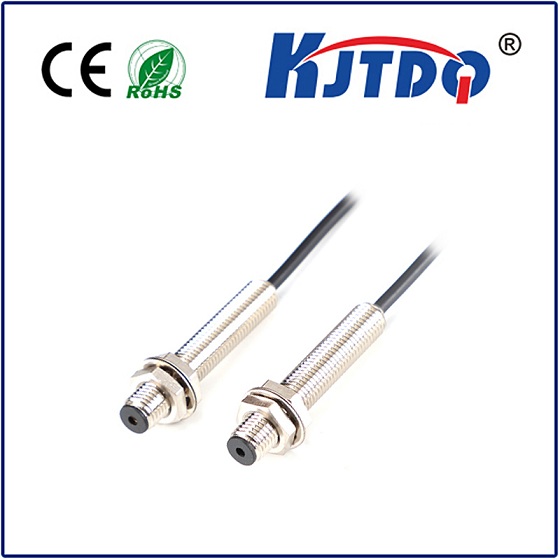
The DL100-23AB2103 is a through-beam type laser sensor, a design known for its high stability and long sensing distance. Its core functionality is based on the precise interruption of a laser beam emitted from a transmitter unit to a separate receiver unit. When an object passes between these two components, it blocks the beam, triggering a detection signal. This fundamental principle allows for exceptionally accurate detection, largely immune to environmental factors like surface color, texture, or reflectivity that often plague diffuse-reflective sensors. The "23AB2103" designation typically refers to specific model variations concerning sensing distance, output configuration, or housing details, which users must confirm against manufacturer datasheets for their specific needs.
A key advantage of the DL100-23AB2103 is its impressive sensing range. Capable of operating over distances that can extend several meters, it is ideal for applications requiring detection across wide conveyors, in large machinery, or in safety light curtain setups. The laser beam itself is highly collimated, meaning it remains a tight, focused line over long distances. This characteristic minimizes the detection area, enabling the sensing of very small objects or precise positioning tasks where accuracy is measured in sub-millimeter increments. The narrow beam also reduces the risk of false triggers from background objects.
Durability and resilience are built into the sensor's design. Housed in a robust metal or high-grade industrial plastic casing, the DL100-23AB2103 is engineered to withstand the harsh conditions common in manufacturing environments. It is typically rated with a high Ingress Protection (IP) code, such as IP67, making it resistant to dust ingress and capable of withstanding temporary immersion in water. This ensures reliable performance in settings with coolant spray, wood chips, metal shavings, or outdoor exposure. Furthermore, the sensor is designed to resist electrical noise and vibration, common culprits of sensor failure in industrial plants.
The output from the DL100-23AB2103 is typically a clean, digital signal—often an NPN or PNP transistor output—that interfaces seamlessly with Programmable Logic Controllers (PLCs), counters, timers, and other control systems. Some variants may offer analog outputs or special functions like a teach-in mode for easy distance setting. This flexibility allows it to be integrated into complex automation sequences for tasks such as object counting on high-speed production lines, precise height verification in assembly processes, or edge detection in material handling systems.
Practical applications for this laser sensor are vast. In packaging machinery, it can detect the presence or absence of products on a filling line or verify label placement. In the automotive industry, it is used for robot guidance, part positioning, and safety monitoring. In logistics and warehousing, these sensors facilitate parcel dimensioning, pallet detection, and automated guided vehicle (AGV) navigation. Its through-beam design makes it particularly suitable for safety applications, such as perimeter guarding for hazardous areas, where any beam break signals an intrusion and can trigger an immediate machine shutdown.
When implementing the DL100-23AB2103, proper alignment is critical for optimal performance. Precise mechanical mounting fixtures and built-in alignment aids, like visible red laser beams, are essential for setup. Regular maintenance involves keeping the transmitter and receiver lenses clean to prevent attenuation of the laser signal. Understanding the sensor's specifications, including response time, light source type (typically a visible red laser diode), and power supply requirements (commonly 12-24V DC), is necessary for selecting the right model and ensuring system compatibility.
In conclusion, the DL100-23AB2103 laser sensor represents a blend of precision, reliability, and versatility. Its through-beam operation delivers consistent performance unaffected by target surface properties, while its rugged construction guarantees longevity in demanding industrial settings. For engineers tasked with improving automation accuracy, enhancing safety protocols, or solving complex detection challenges, this sensor provides a proven and effective technological foundation. By leveraging its capabilities, businesses can achieve higher quality control, reduce downtime, and drive greater operational productivity across diverse sectors.