check

check

check

check
check
check
check
check

check

check
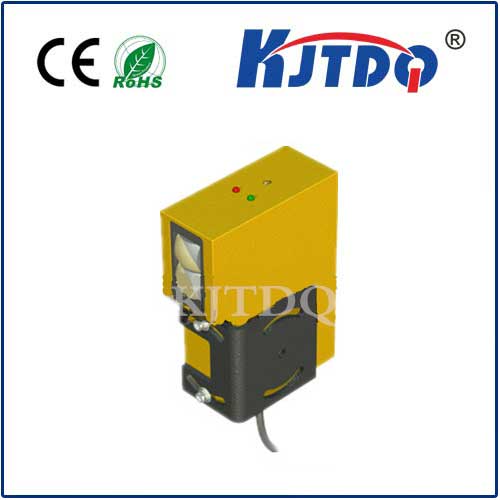
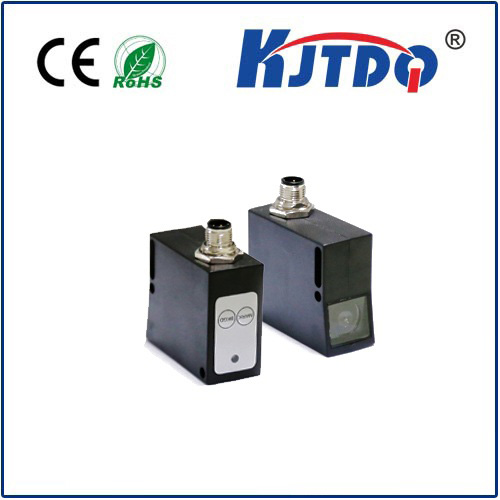
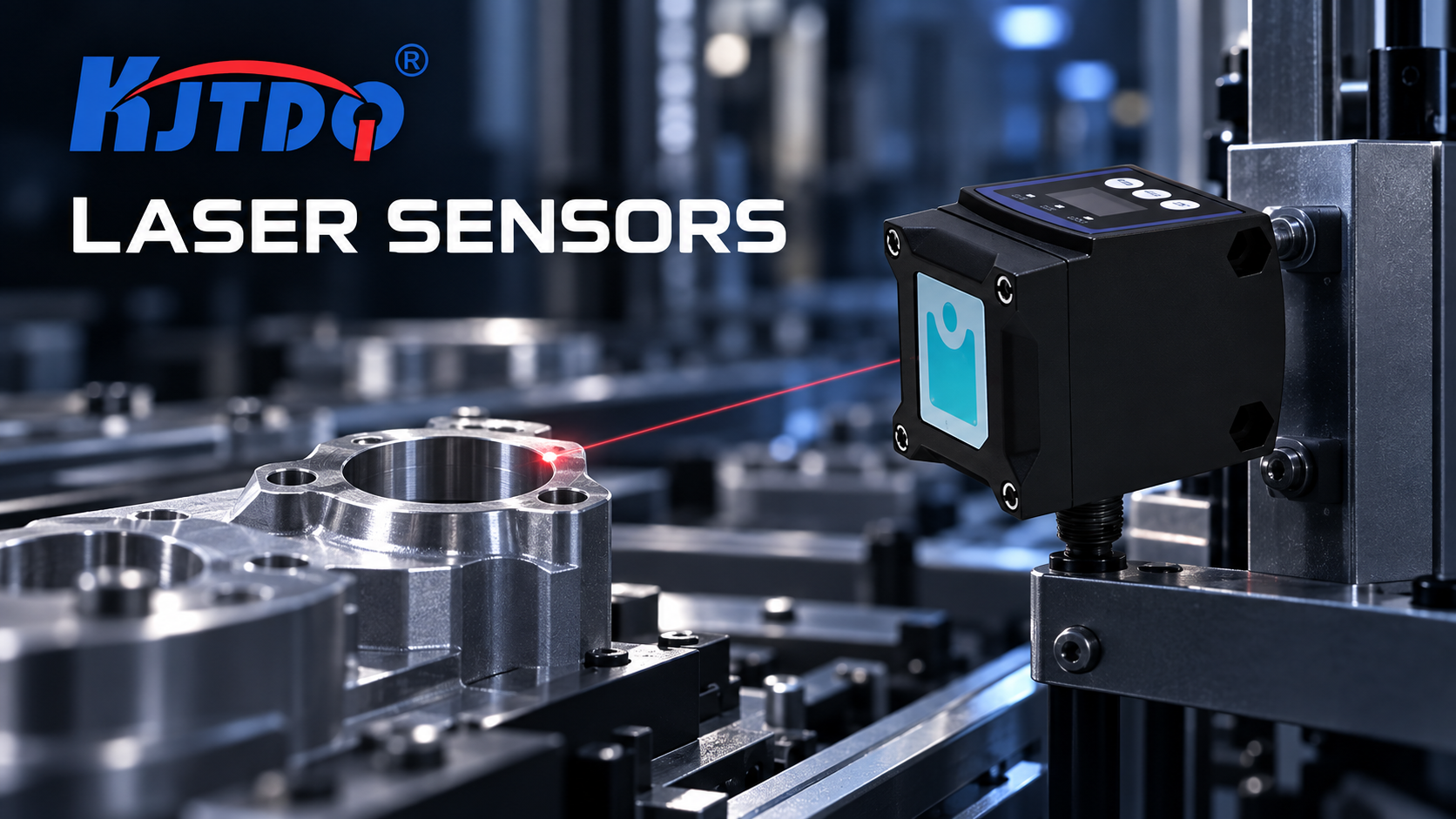
In the rapidly evolving landscape of industrial automation, the demand for reliable, high-precision measurement solutions is paramount. The DS35-B15521 laser sensor stands as a critical component in this domain, engineered to deliver exceptional performance in diverse and challenging environments. This device exemplifies the integration of advanced laser technology with robust industrial design, providing a dependable tool for tasks ranging from precise positioning and object detection to dimensional inspection and quality control.
The core of the DS35-B15521's functionality lies in its laser triangulation principle. It emits a focused, visible red laser beam onto a target surface. The reflected light is then captured by a high-resolution receiver within the sensor. By calculating the angle of the reflected beam, the sensor's internal processor determines the exact distance to the target with remarkable accuracy. This non-contact measurement method is ideal for applications where physical contact could damage the target, alter its position, or introduce wear on the sensor itself. The visible laser spot also simplifies setup and alignment, allowing technicians to quickly verify the measurement point.
One of the defining features of the DS35-B15521 is its impressive measurement performance. It offers a high sampling rate and excellent repeatability, ensuring consistent data capture even for fast-moving objects on production lines. The sensor maintains stability across a wide range of surface materials and colors, though optimal performance is achieved on diffuse, non-reflective surfaces. For highly reflective or dark, absorbent materials, proper application setup and potential parameter adjustments are recommended to ensure reliable readings. Its compact and rugged housing is designed to withstand typical industrial hazards such as dust, vibrations, and incidental impacts, conforming to common ingress protection ratings for demanding factory floor conditions.
The practical applications for the DS35-B15521 laser sensor are extensive across multiple sectors. In automotive manufacturing, it is deployed for gap and flush measurement on vehicle body assemblies, ensuring panel alignment meets stringent quality standards. Within the electronics industry, it facilitates the precise placement of components on printed circuit boards (PCBs) and verifies solder paste height. Packaging and logistics operations utilize these sensors for box dimensioning, pallet height monitoring, and conveyor belt object counting. Furthermore, in robotics, the DS35-B15521 provides essential feedback for guidance and positioning, enabling robotic arms to interact with their environment accurately.
Integration into existing systems is streamlined through standard industrial electrical interfaces. The sensor typically provides analog output (e.g., 4-20mA or 0-10V) proportional to the measured distance, as well as digital switching outputs for simple presence/absence detection. This compatibility allows for straightforward connection to Programmable Logic Controllers (PLCs), data acquisition systems, and other control units. Many models also feature intuitive teach-in functions, where minimum and maximum thresholds can be set manually by placing the sensor at the desired reference points, simplifying configuration without complex software.
When selecting a laser sensor like the DS35-B15521 for a specific application, several key parameters must be considered. The measuring range defines the minimum and maximum distances over which the sensor can operate accurately. The resolution indicates the smallest detectable change in distance, while repeatability specifies the consistency of measurements under unchanged conditions. Response time is crucial for high-speed applications, and the size of the laser spot affects the measurement's spatial resolution. Environmental factors such as ambient light, temperature fluctuations, and the presence of contaminants should also be evaluated against the sensor's specifications.
Regular maintenance, though minimal, is essential for sustained accuracy. This primarily involves keeping the front lens clean and free from obstructions. Periodic verification against a known reference standard helps confirm ongoing calibration. For optimal performance, it is advisable to protect the sensor from direct exposure to intense ambient light that could interfere with its receiver and to ensure stable mounting to minimize vibration-induced errors.
The DS35-B15521 laser sensor represents more than just a measurement device; it is an enabler of efficiency, quality, and automation intelligence. By providing precise, real-time dimensional data, it forms the sensory foundation for closed-loop control systems, allowing processes to self-correct and maintain tight tolerances autonomously. This capability directly contributes to reduced waste, lower production costs, and enhanced product consistency. As industries continue to advance toward smarter, more connected operations—the core of Industry 4.0—the role of reliable feedback devices like the DS35-B15521 becomes increasingly indispensable. Its deployment is a strategic step toward building a more responsive, data-driven, and efficient manufacturing ecosystem.