check

check

check

check
check
check
check
check

check

check
In the rapidly evolving landscape of industrial automation, the demand for reliable, high-precision measurement solutions is paramount. The P3PC202 laser sensor stands as a critical component in this technological ecosystem, offering unparalleled accuracy and robustness for a wide array of applications. This device exemplifies the convergence of advanced optical engineering and sophisticated electronics to deliver performance that meets the stringent requirements of modern manufacturing, logistics, and quality control processes.
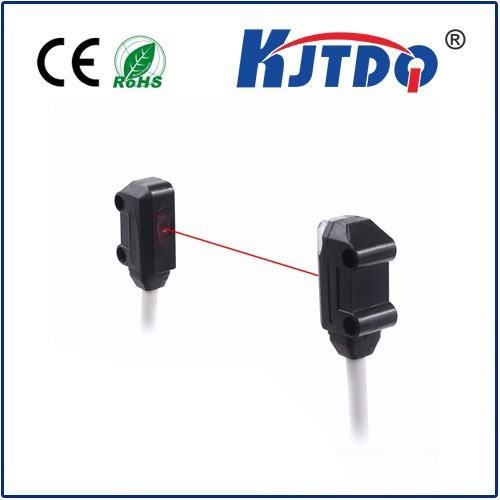
At its core, the P3PC202 utilizes a laser triangulation principle for non-contact measurement. This method involves projecting a focused laser beam onto the target surface. The reflected light is then captured by a high-resolution CMOS array at a specific angle. By precisely calculating the position of the light spot on the sensor, the device determines the distance to the target with exceptional accuracy. This fundamental operating principle allows for measurements that are immune to the inconsistencies and wear associated with mechanical contact probes, ensuring long-term stability and repeatability.
The technical specifications of the P3PC202 highlight its capability. It typically offers a measuring range suitable for precise positioning tasks, with resolution in the micron range. Its response time is exceptionally fast, enabling real-time feedback in high-speed production lines, such as those found in electronics assembly or automotive manufacturing. The sensor is designed to perform consistently in challenging industrial environments. It often features a robust housing with high ingress protection ratings, safeguarding it against dust, oil, and coolants. Furthermore, advanced models incorporate temperature compensation circuits to maintain accuracy despite fluctuations in ambient conditions, a common challenge in factory settings.
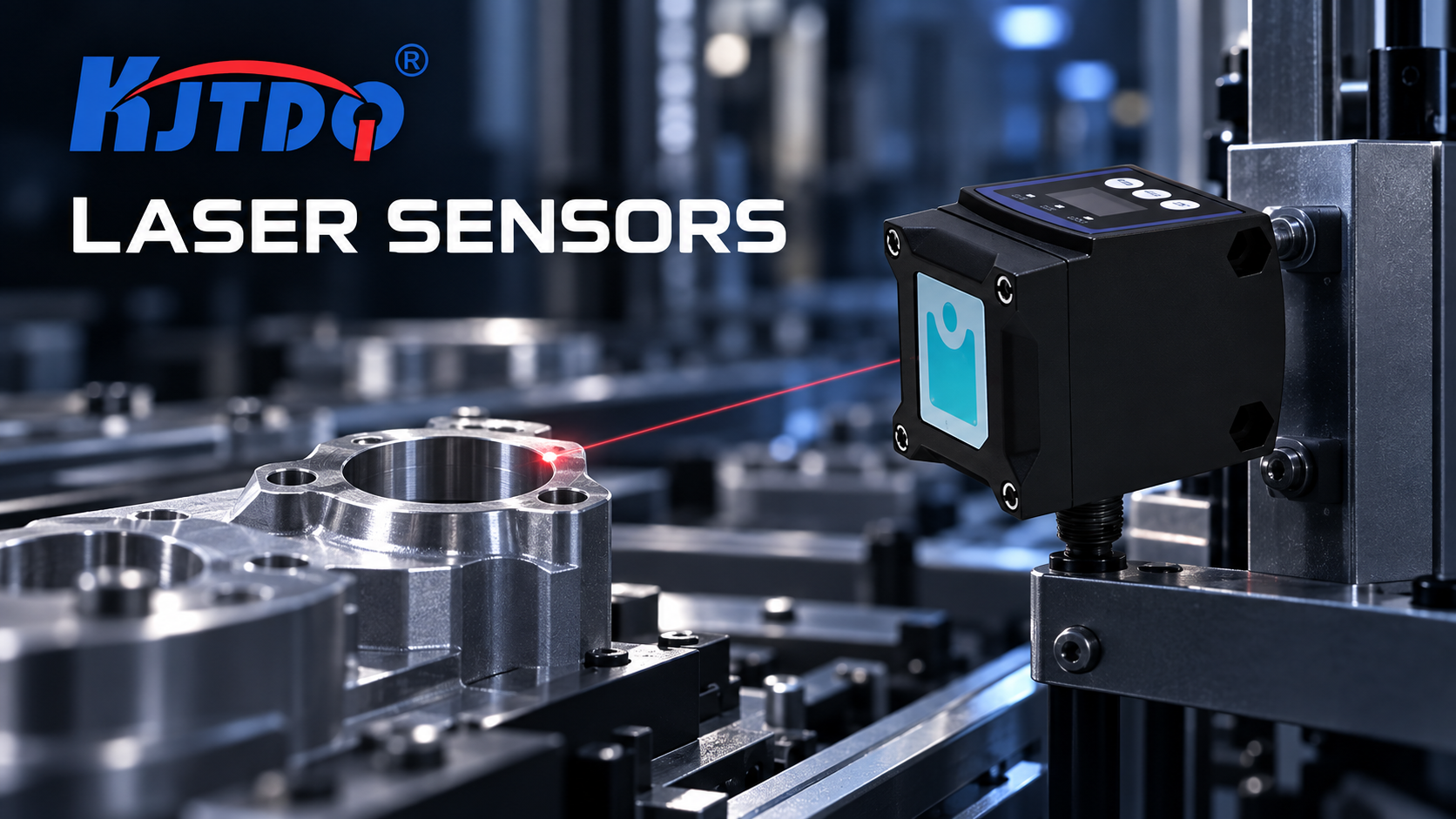
Practical applications for the P3PC202 laser sensor are diverse and impactful. In automated assembly lines, it is indispensable for verifying the presence, height, or thickness of components. For instance, it can ensure a semiconductor chip is correctly placed on a circuit board or confirm the proper seating of a gasket. In robotic guidance systems, these sensors provide the precise distance data needed for robots to pick, place, or weld components with exacting tolerances. Within the realm of quality inspection, the P3PC202 can profile objects, detect edge positions, and identify surface defects like dents or warping, all without touching the product and risking damage or contamination.
Integration into broader control systems is streamlined through various output options. The sensor commonly provides analog outputs, such as 0-10V or 4-20mA signals, for continuous distance measurement, as well as digital switching outputs for go/no-go decisions. Compatibility with standard industrial communication protocols like IO-Link is a significant advantage. IO-Link enables not only data transmission but also remote parameter configuration and advanced diagnostics, facilitating predictive maintenance and reducing machine downtime. This connectivity transforms the sensor from a simple measuring device into an intelligent node within the Industrial Internet of Things ecosystem.
When selecting a laser sensor like the P3PC202 for a specific task, several factors must be considered. The properties of the target material are crucial; highly reflective, transparent, or dark surfaces can affect the laser's reflection and require sensors with specialized algorithms or optical filters. The required measuring range, resolution, and speed must align with the process demands. Environmental factors, including ambient light interference, vibration, and temperature extremes, dictate the necessary robustness features of the sensor housing and electronics.
The implementation and ongoing performance of the P3PC202 rely on proper installation and calibration. Mounting the sensor securely to minimize vibration, aligning it correctly to the target, and setting the appropriate sensing window are essential first steps. Regular calibration against known standards ensures measurement integrity over time. Modern sensors often feature user-friendly software tools that simplify these setup and maintenance procedures, allowing technicians to configure parameters quickly and monitor sensor health.
In conclusion, the P3PC202 laser sensor represents a cornerstone technology for enabling precision in automated industrial processes. Its non-contact measurement capability, combined with high speed, accuracy, and environmental durability, solves critical challenges in manufacturing and logistics. By providing reliable data for control and inspection, it enhances product quality, optimizes production efficiency, and reduces waste. As industries continue to advance toward smarter, more connected factories, the role of precise sensing technologies like the P3PC202 will only grow in importance, forming the essential sensory layer for the automated systems of today and tomorrow.