check
check

check

check
check
check
check
check

check

check
In the world of industrial automation and precision engineering, the demand for reliable, accurate, and robust measurement solutions is paramount. Among the myriad of options available, the OD7000-11001031 laser sensor stands out as a sophisticated tool designed to meet the most stringent application requirements. This guide delves into the core features, operational principles, and diverse applications of this advanced sensor, providing a comprehensive overview for engineers, system integrators, and procurement specialists.
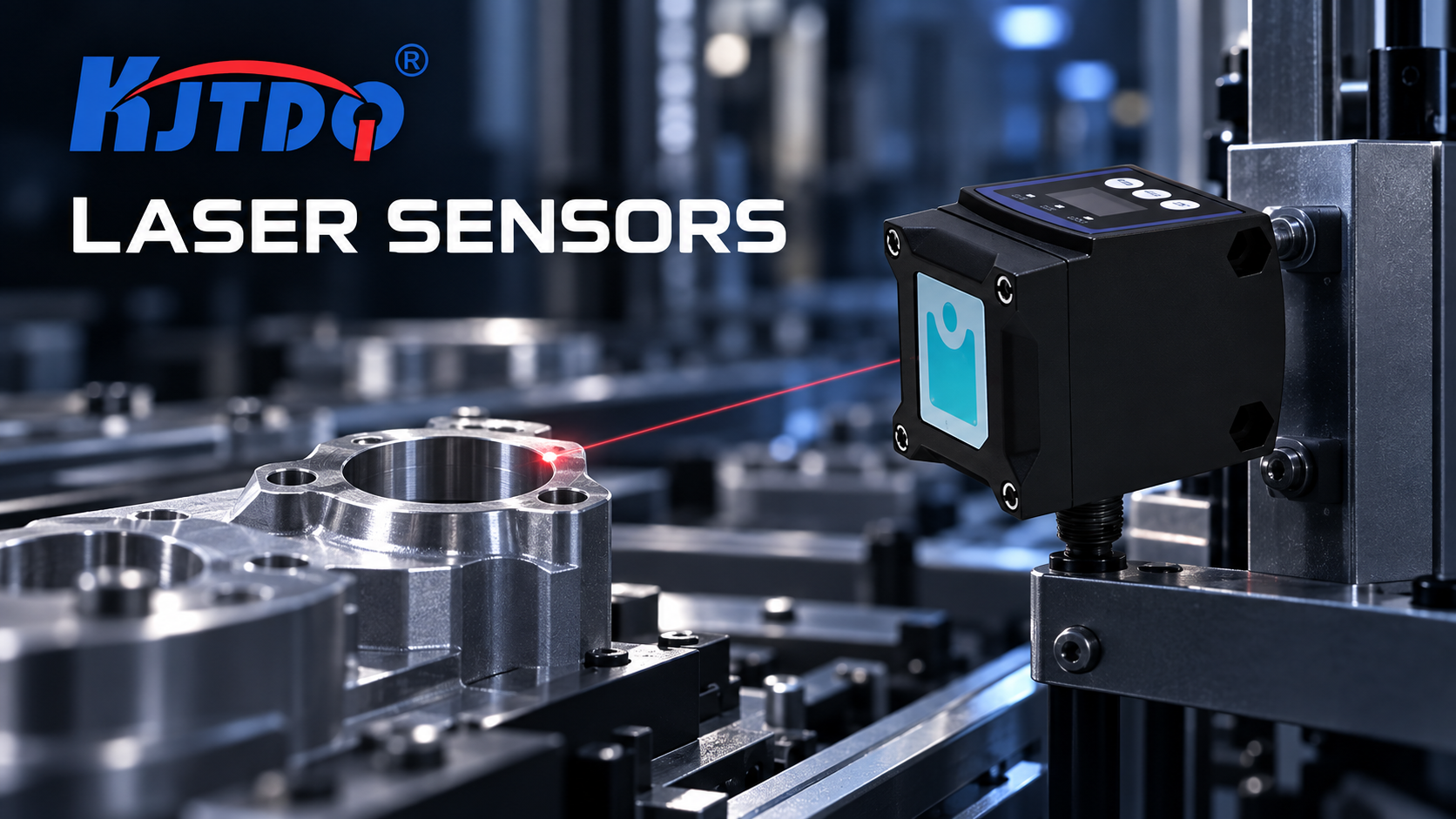
The OD7000-11001031 is a high-performance laser displacement sensor engineered for non-contact measurement. Its core technology revolves around the principle of laser triangulation. The sensor emits a focused, visible red laser beam onto the target surface. The reflected light is then captured by a high-resolution CMOS array at a specific angle. By precisely calculating the position of the laser spot on the receiver, the sensor determines the exact distance to the target with exceptional accuracy. This method allows for measurements that are immune to surface color, texture, or material variations to a significant degree, ensuring consistent performance across different production environments.
One of the defining characteristics of the OD7000-11001031 is its impressive specification set. It typically offers a high sampling rate, enabling real-time monitoring of fast-moving objects on production lines. The measurement range is optimized for applications requiring fine resolution, often in the micrometer range, making it ideal for tasks like thickness gauging, warp detection, and vibration analysis. Furthermore, its robust housing is designed to withstand harsh industrial conditions, including dust, moisture, and mechanical vibrations, ensuring long-term stability and reducing maintenance downtime. The integrated controller often features intuitive setup software, allowing for easy configuration of measurement modes, output signals, and alarm thresholds without extensive programming knowledge.
The versatility of the OD7000-11001031 laser sensor opens doors to a wide spectrum of industrial applications. In the automotive sector, it is indispensable for inspecting component dimensions, verifying gap and flush between body panels, and controlling robot positioning during assembly. Within the electronics industry, it ensures the precise placement of components on printed circuit boards (PCBs) and measures the coplanarity of BGA chips. Manufacturers of rolled goods, such as paper, film, and metals, rely on these sensors for continuous thickness profiling and edge detection to maintain product quality. Additionally, in robotics and automated guided vehicles (AGVs), the sensor provides critical feedback for navigation, obstacle avoidance, and precise object handling.
Integrating the OD7000-11001031 into an existing system is streamlined through its flexible interfacing options. It commonly supports standard industrial communication protocols and analog/digital outputs, facilitating seamless connection to PLCs, data acquisition systems, and industrial PCs. This interoperability is crucial for creating a cohesive and intelligent manufacturing ecosystem. When selecting a sensor for a specific task, engineers must consider key parameters such as the required measurement range, resolution, stand-off distance, and the environmental conditions of the installation site. The OD7000-11001031 model, with its balanced performance profile, often presents an optimal solution for challenging measurement scenarios where precision and reliability cannot be compromised.
Ultimately, the value proposition of the OD7000-11001031 laser sensor lies in its ability to enhance quality control, optimize production efficiency, and reduce material waste. By delivering micron-level accuracy in a non-contact manner, it protects delicate products from damage while providing the data necessary for statistical process control and predictive maintenance. For industries striving towards Industry 4.0 and smart factory initiatives, such precision measurement tools form the foundational layer of data acquisition, enabling informed decision-making and continuous process improvement. Investing in a proven solution like the OD7000-11001031 translates into tangible returns through improved product consistency, lower operational costs, and a stronger competitive edge in the market.