check
check

check

check
check
check
check
check

check

check
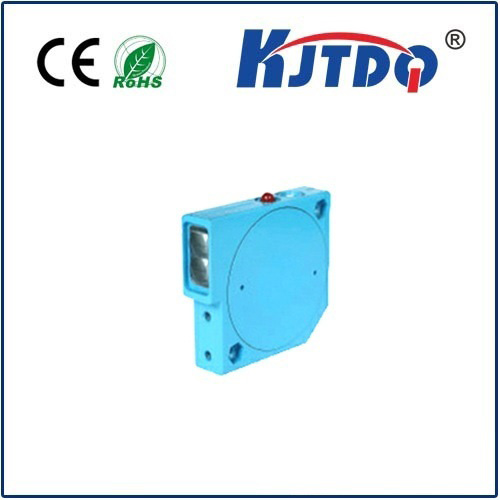
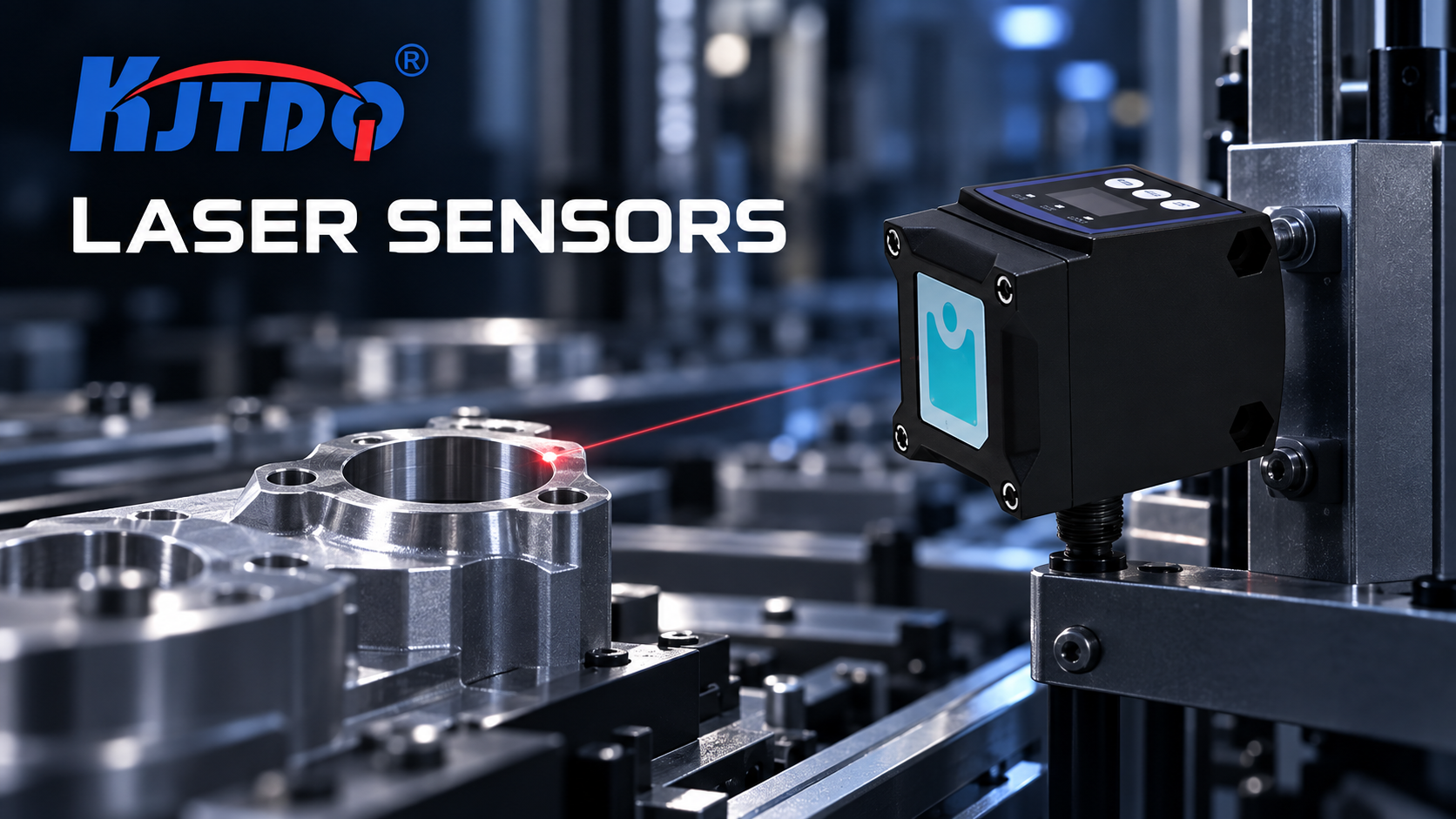
The OCP162H0180 laser sensor represents a breakthrough in non-contact distance measurement technology, designed for industrial automation, robotics, and quality control applications. This compact sensor utilizes advanced laser triangulation principles to deliver micron-level accuracy across a wide measurement range. Its robust housing ensures reliable performance in harsh environments, including high-vibration floors and temperature-fluctuating workshops.
Unlike traditional ultrasonic or infrared sensors, the OCP162H0180 emits a focused laser beam that reflects off target surfaces. The reflected light is captured by a high-resolution CMOS array, enabling precise calculation of distance variations. This method eliminates common interference issues found in dusty or humid conditions. Manufacturers report consistent readings even when monitoring fast-moving conveyor belts or rotating machinery components.
Key technical specifications include a 180mm standard measuring range with ±0.1% full-scale accuracy. The sensor's response time of 0.5ms makes it suitable for high-speed production lines. Integrated temperature compensation circuits maintain stability during extended operation cycles. Users can select multiple output options including 4-20mA analog signals, RS-485 digital communication, or programmable switching outputs for threshold detection.
Installation flexibility is enhanced through adjustable mounting brackets and configurable sensing directions. The device incorporates automatic calibration features that simplify setup procedures. Maintenance teams appreciate the IP67-rated enclosure that protects internal components from coolant splashes and metal shavings common in machining centers.
Practical applications span multiple industries. Automotive assembly plants use these sensors for gap measurement between body panels. Electronics manufacturers employ them for PCB thickness verification. Logistics companies integrate the sensors into automated guided vehicles for pallet detection. The laser's visible red dot simplifies alignment during installation, reducing commissioning time by approximately 40% compared to invisible beam sensors.
Performance validation tests demonstrate exceptional repeatability of 0.02mm under laboratory conditions. Field data from steel mills shows continuous operation exceeding 10,000 hours without degradation in measurement consistency. The sensor's modular design allows quick lens replacement when monitoring different surface materials, from reflective metals to absorbent textiles.
Advanced diagnostics include built-in monitoring of lens contamination. When dust accumulation reaches a predefined threshold, the system triggers maintenance alerts before measurement accuracy is compromised. This proactive approach minimizes unplanned downtime in 24/7 production facilities. Compatibility with major industrial protocols like PROFINET and EtherCAT enables seamless integration into existing automation networks.
Energy efficiency distinguishes this model from previous generations, consuming only 2.5W during active measurement. The optimized optical system reduces power requirements while maintaining beam quality. Optional accessories include protective shrouds for welding environments and air purge fittings for cleanroom installations. Technical support provides application-specific configuration files for common use cases, accelerating deployment timelines.
Future developments focus on enhancing multi-sensor synchronization capabilities for complex measurement arrays. Research indicates potential adaptations for 3D surface profiling when combined with scanning mechanisms. The current firmware supports over-the-air updates, ensuring compatibility with evolving industrial standards.