check
check

check

check
check
check
check
check

check

check
In the rapidly evolving landscape of industrial automation and precision measurement, the demand for reliable, accurate, and robust sensing solutions has never been higher. Among the myriad of options available, laser sensors stand out for their unparalleled precision and versatility. The DT500-A111S02 laser sensor emerges as a particularly noteworthy solution, engineered to meet the rigorous demands of modern manufacturing, quality control, and logistics applications. This guide delves into the core features, operational principles, and practical benefits of this advanced sensor, providing a comprehensive overview for engineers, system integrators, and procurement specialists.
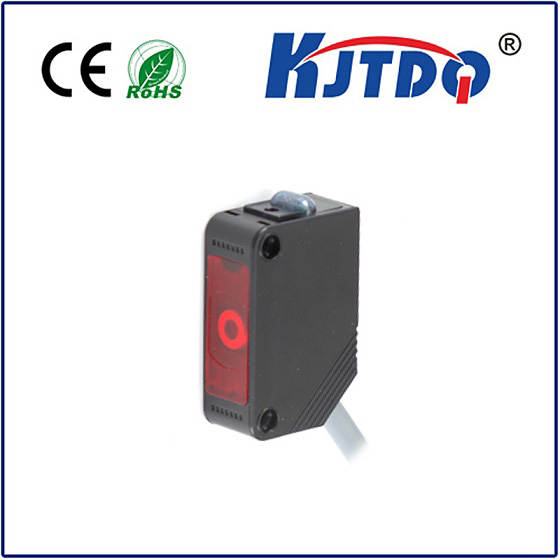
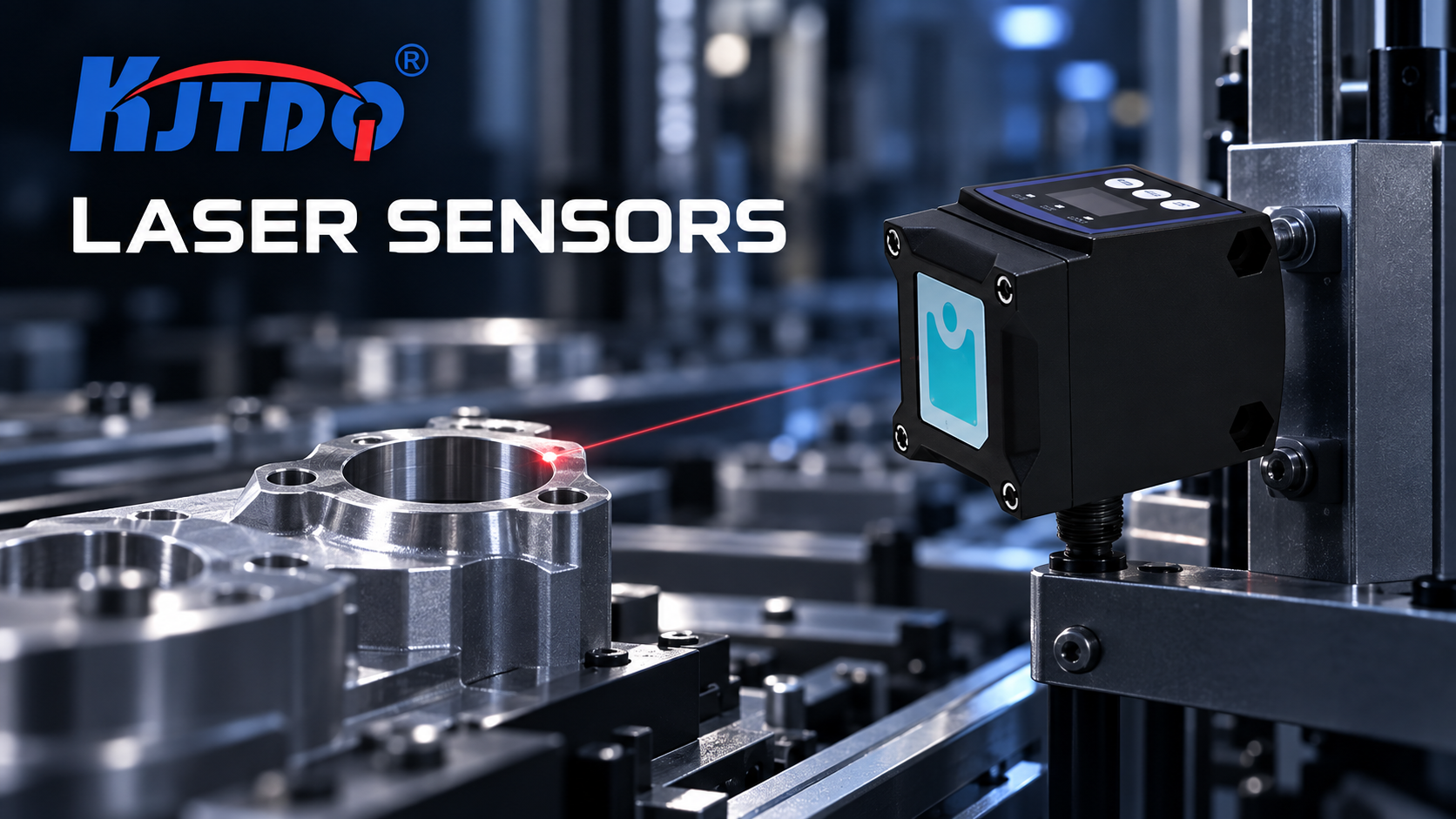
At its core, the DT500-A111S02 is a diffuse-reflective laser sensor. This means it operates by emitting a focused laser beam towards a target object. The sensor's receiver then detects the light scattered back from the object's surface. By precisely calculating the time or phase shift of the reflected beam, the sensor can determine the presence or absence of an object, and with high-grade models, even measure precise distances. The "A111S02" designation typically refers to specific operational characteristics such as sensing range, output type (like NPN or PNP), and connection style, which are critical for seamless integration into existing control systems.
What sets the DT500-A111S02 apart is its exceptional performance in challenging environments. The laser source provides a highly visible, concentrated beam spot, allowing for precise detection of small objects or edges. This is crucial in applications like semiconductor wafer handling, precision assembly verification, or detecting minute defects on a production line. Unlike standard photoelectric sensors that can be fooled by color or surface texture variations, the coherent light of a laser offers more consistent performance across different materials, though highly reflective or absorbent surfaces may require specific calibration.
The construction of the DT500-A111S02 is geared for industrial durability. Housed in a rugged casing, it is designed to resist common hazards like dust, moisture (often rated IP67), and vibration. This resilience ensures stable, long-term operation in settings from clean rooms to automotive assembly plants. Installation and setup are streamlined through user-friendly features. Many models include intuitive teach-in functions or potentiometers for easy adjustment of sensitivity and response time, minimizing downtime during configuration.
Practical applications for the DT500-A111S02 laser sensor are vast. In packaging machinery, it ensures correct box positioning and flap detection. On conveyor systems, it counts products, monitors fill levels, or triggers robotic arms for pick-and-place operations. In electronic manufacturing, it verifies component placement on PCBs. Its high-speed response makes it ideal for detecting fast-moving items without missing a beat, a key factor in maintaining high throughput.
When selecting a sensor like the DT500-A111S02, several technical parameters require careful consideration. The sensing range must match the application's physical constraints. The response time must be faster than the process cycle. The type of electrical output (discrete switch or analog signal) must be compatible with the PLC or controller being used. Furthermore, environmental factors such as ambient light interference, temperature extremes, and potential exposure to chemicals should be evaluated against the sensor's specifications.
Integration is a straightforward process. The sensor typically connects to a power supply and the control system via a standard M12 or cable connection. Proper alignment is paramount for optimal performance; mounting brackets and laser pointers integrated into the housing aid significantly in this process. Regular maintenance involves keeping the lens clean from obstructions and verifying performance through periodic checks.
In conclusion, the DT500-A111S02 laser sensor represents a fusion of precision, reliability, and adaptability. It solves complex detection challenges where other sensor technologies may fall short. By providing a dependable "yes" or "no" signal for object presence, it forms a fundamental building block in automated systems, enhancing efficiency, ensuring quality, and reducing operational costs. For professionals seeking to optimize their automated processes, understanding and utilizing the capabilities of such a laser sensor is a step toward achieving greater operational excellence and technological advancement.