check
check

check

check
check
check
check
check

check

check
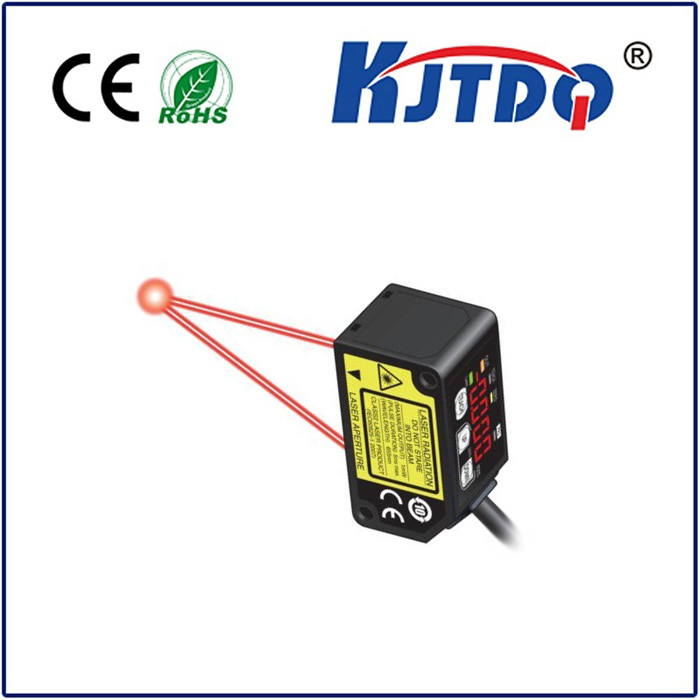
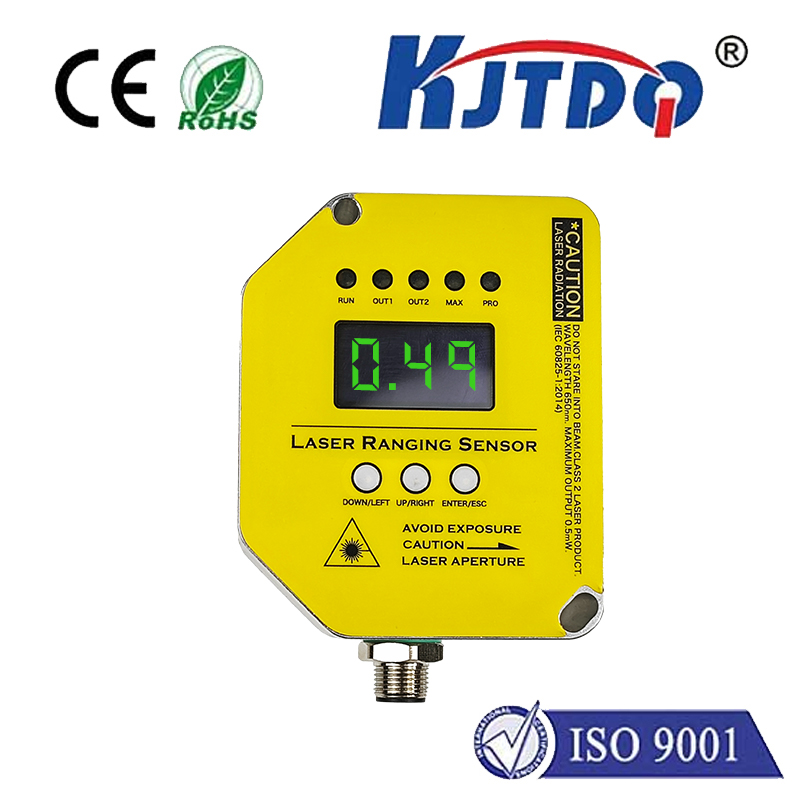
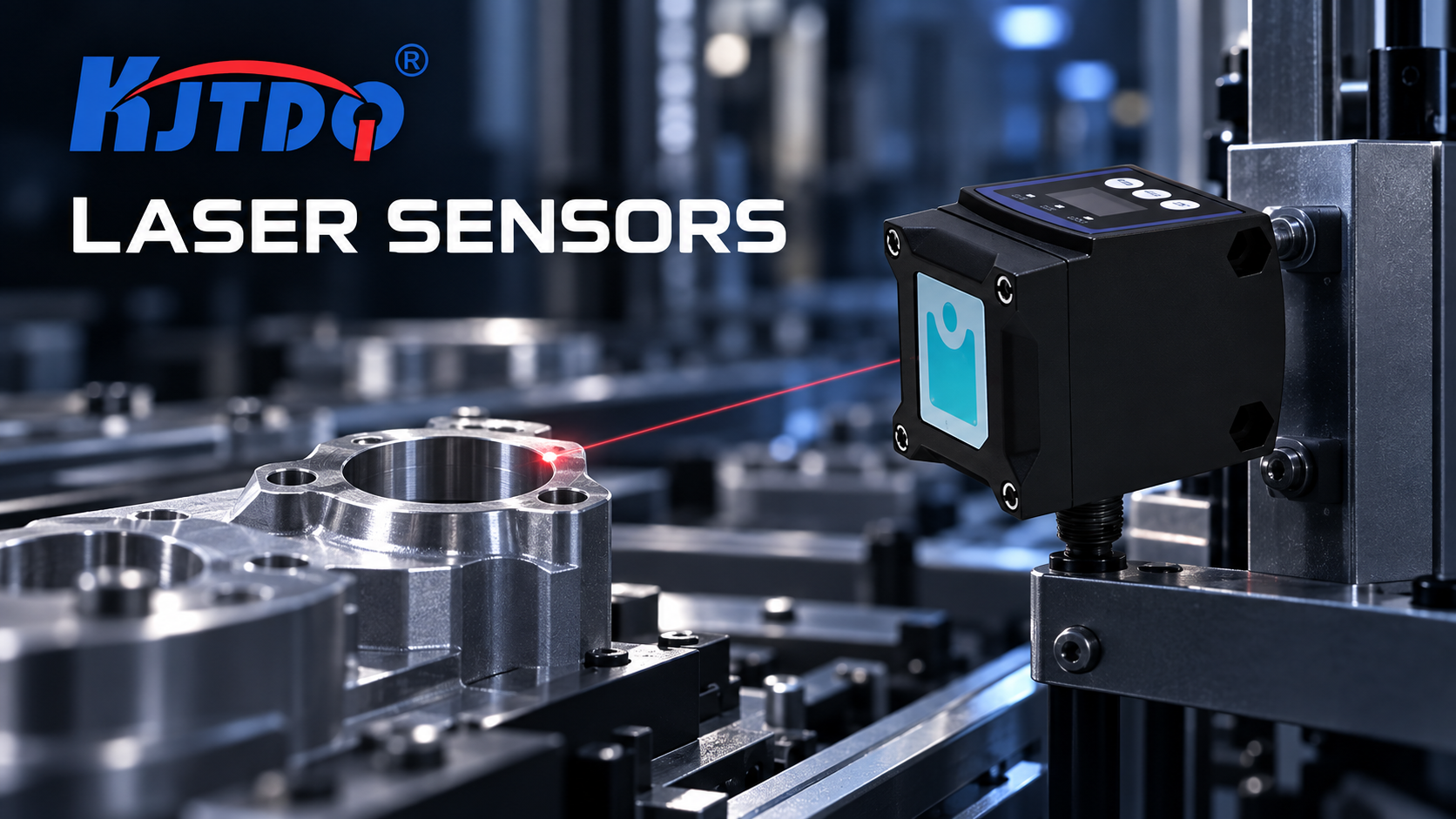
In the demanding world of industrial automation and quality control, achieving micron-level accuracy is not just an advantage—it's a necessity. The OD2-P120W60C2 laser sensor emerges as a pivotal tool, engineered to meet these rigorous standards with unparalleled reliability. This device represents a significant leap in non-contact measurement technology, offering a robust solution for applications where precision, speed, and environmental resilience are paramount.
At its core, the OD2-P120W60C2 utilizes a high-performance laser triangulation principle. It projects a focused, visible red laser spot onto the target surface. The reflected light is captured by a high-resolution CMOS array at a precise angle. Any minute change in the target's distance or profile causes a shift in the position of the laser spot on the sensor's receiver. This shift is processed by advanced onboard algorithms to deliver an exact digital measurement. This method ensures exceptional accuracy, often within a few micrometers, across its entire measuring range.
The specifications of the OD2-P120W60C2 are tailored for challenging industrial environments. With a measuring range of 60mm and a stand-off distance of 120mm, it provides excellent flexibility for various setups. Its high sampling rate allows for the inspection of fast-moving objects on production lines without sacrificing data integrity. Furthermore, the sensor boasts an IP67 protection rating, making it resistant to dust ingress and capable of withstanding temporary immersion in water. This durability ensures consistent operation in settings with coolants, oil mist, or airborne particulates.
Practical applications for this laser sensor are vast and varied. In the automotive sector, it is indispensable for measuring critical component dimensions, such as piston protrusion or brake disc thickness, ensuring every part meets strict tolerances. In electronics manufacturing, it verifies the coplanarity of BGA chips or the height of solder paste, preventing costly defects. The packaging industry relies on it for precise fill-level detection and checking seal integrity. Its ability to measure transparent objects, like glass thickness or film layers, with specialized models adds another layer of utility.
Integration into existing systems is streamlined through multiple output options, including analog voltage/current, digital switches (NPN/PNP), and high-speed serial communication protocols like RS-485. This compatibility allows seamless connection to PLCs, data loggers, and industrial PCs. The sensor often features intuitive configuration software, enabling users to easily set parameters such as measurement windows, filtering, and output scaling directly from a computer, minimizing setup time and complexity.
A key benefit of the OD2-P120W60C2 is its stability. Unlike contact probes that wear down or capacitive sensors sensitive to material changes, laser triangulation provides consistent results regardless of surface material color or reflectivity, within its operational limits. Advanced models include automatic background suppression and algorithms to compensate for different surface conditions, delivering reliable data on everything from shiny metal to dark, absorbent plastics.
Deploying the OD2-P120W60C2 translates directly into operational excellence. It enhances quality assurance by providing 100% inline inspection, eliminating human error from manual sampling. This leads to a dramatic reduction in scrap and rework, lowering production costs. The real-time feedback enables immediate process adjustments, optimizing manufacturing efficiency and throughput. Ultimately, it empowers businesses to deliver superior product quality, strengthen customer trust, and maintain a competitive edge in a market where precision is paramount.
For engineers and plant managers seeking to upgrade their measurement capabilities, the OD2-P120W60C2 laser sensor stands out as a proven, high-performance choice. Its combination of accuracy, ruggedness, and ease of integration makes it more than just a sensor; it is a strategic investment in manufacturing intelligence and long-term productivity.