check
check

check

check
check
check
check
check

check

check
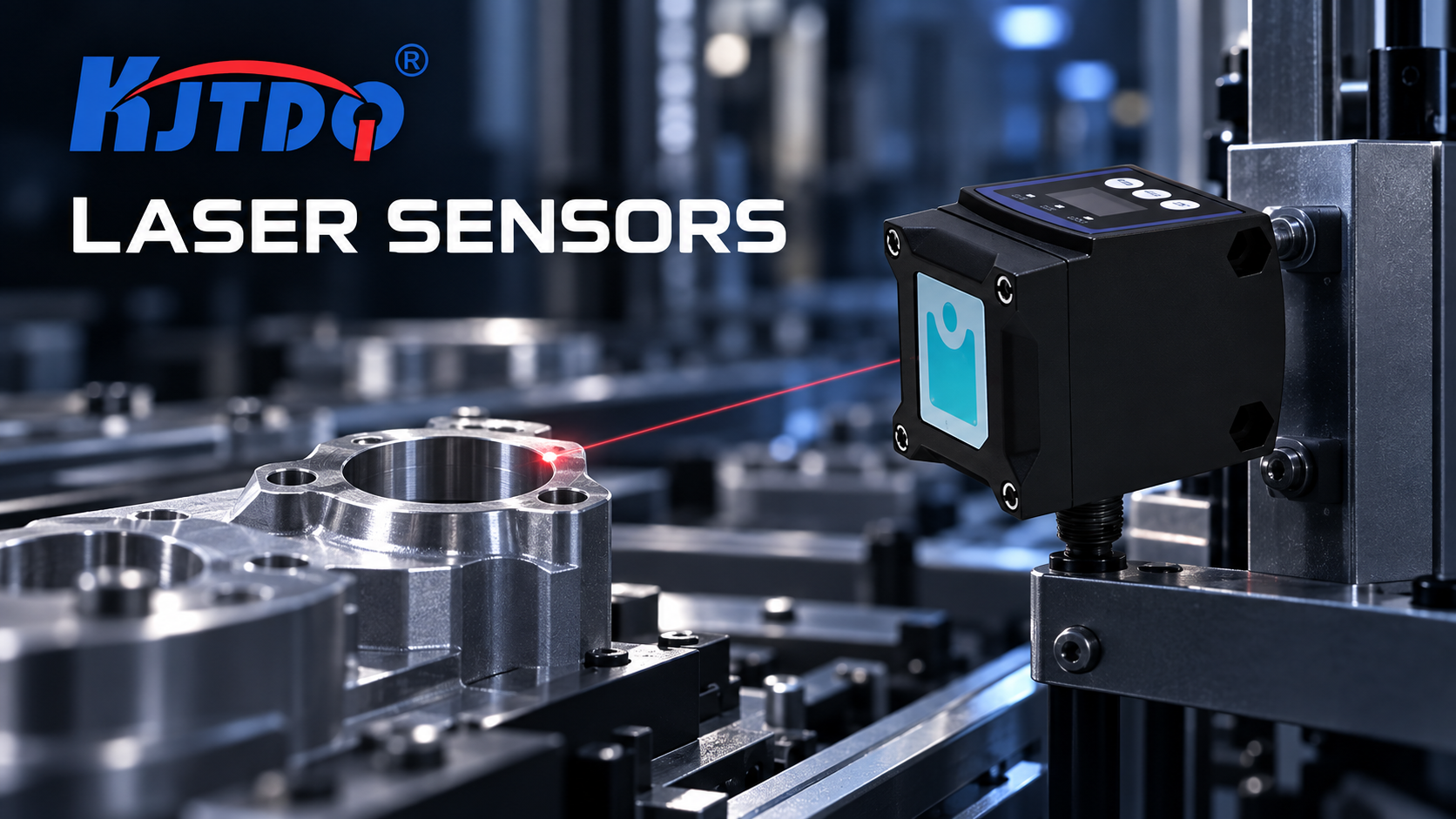
In the demanding landscape of modern industrial automation, achieving consistent, reliable, and high-precision measurement is not just an advantage—it's a necessity. The CD33-250CNV/CPV laser sensor series stands as a robust solution engineered to meet these critical challenges. Designed for versatility and durability, these sensors deliver exceptional performance in a wide array of applications, from precise positioning on assembly lines to stringent quality control inspections.
The core of the CD33-250CNV/CPV series lies in its advanced laser triangulation principle. This technology enables non-contact measurement with remarkable accuracy, effectively eliminating errors caused by physical contact with target objects. Whether detecting the presence of components, measuring minute height variations, or monitoring edge positions, the sensor provides stable and repeatable data. The "CNV" and "CPV" variants offer tailored output options—analog and digital—to seamlessly integrate into diverse control systems, including PLCs and industrial PCs, ensuring maximum compatibility and ease of setup.
A key strength of this sensor series is its resilience in harsh industrial environments. Built with a rugged housing, it offers high resistance to ambient light interference, dust, and vibrations commonly found in factory settings. This robust construction guarantees long-term operational stability and minimizes maintenance downtime, contributing directly to increased overall equipment effectiveness (OEE). The sensor's compact design further allows for flexible installation in space-constrained locations, making it an ideal choice for retrofitting existing machinery or designing new automated systems.
Operational efficiency is significantly enhanced through the sensor's user-friendly features. Many models within the series are equipped with intuitive teach-in functions, allowing for quick and straightforward configuration without complex programming. The clear, visible laser spot simplifies alignment during installation, reducing setup time. Furthermore, the fast response time ensures real-time feedback, which is crucial for high-speed production processes where every millisecond counts. This capability supports tighter process control, leading to reduced waste and improved product quality.
The application scope for the CD33-250CNV/CPV laser sensors is extensive. In the automotive industry, they are indispensable for gap and flush measurement between body panels. In electronics manufacturing, they ensure the precise placement of surface-mount devices (SMDs) on circuit boards. Within packaging lines, they verify fill levels and check label positions. Their reliability also makes them suitable for logistical systems, such as dimensioning parcels or guiding automated guided vehicles (AGVs). By providing accurate, real-world data, these sensors form the foundational sensory layer for Industry 4.0 and smart factory initiatives.
Selecting the appropriate sensor model requires careful consideration of specific application parameters, including measurement range, resolution, target surface properties, and required output signal. The CD33-250CNV, with its analog output, is perfect for applications requiring continuous distance or position feedback. Conversely, the CD33-250CPV, with its digital switching output, excels in precise object detection or go/no-go inspections. Consulting detailed technical specifications and, if necessary, engaging with technical support is recommended to ensure optimal sensor selection and integration.
In conclusion, the CD33-250CNV/CPV laser sensor series represents a fusion of precision engineering and practical design. It addresses the core needs of industrial automation by delivering accurate, non-contact measurements with unwavering reliability. By integrating these sensors, manufacturers can achieve higher levels of automation, enhance quality assurance protocols, and drive operational efficiencies, ultimately securing a competitive edge in today's fast-paced industrial market. Their proven performance makes them a trusted component for engineers seeking to build more intelligent, responsive, and productive automated systems.