check

check
check

check
check
check
check
check

check

check
In the realm of industrial automation and precision engineering, the quest for accurate, reliable, and robust measurement solutions is never-ending. Among the myriad of technologies available, laser sensors stand out for their non-contact operation, high speed, and exceptional accuracy. The 0ID251 laser sensor emerges as a particularly noteworthy component in this category, designed to meet the rigorous demands of modern manufacturing, logistics, and quality control environments. This guide delves into the core features, operational principles, and diverse applications of this advanced sensor, providing a comprehensive overview for engineers and decision-makers.
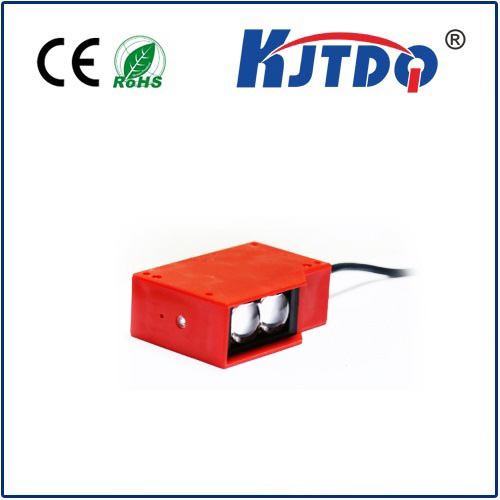
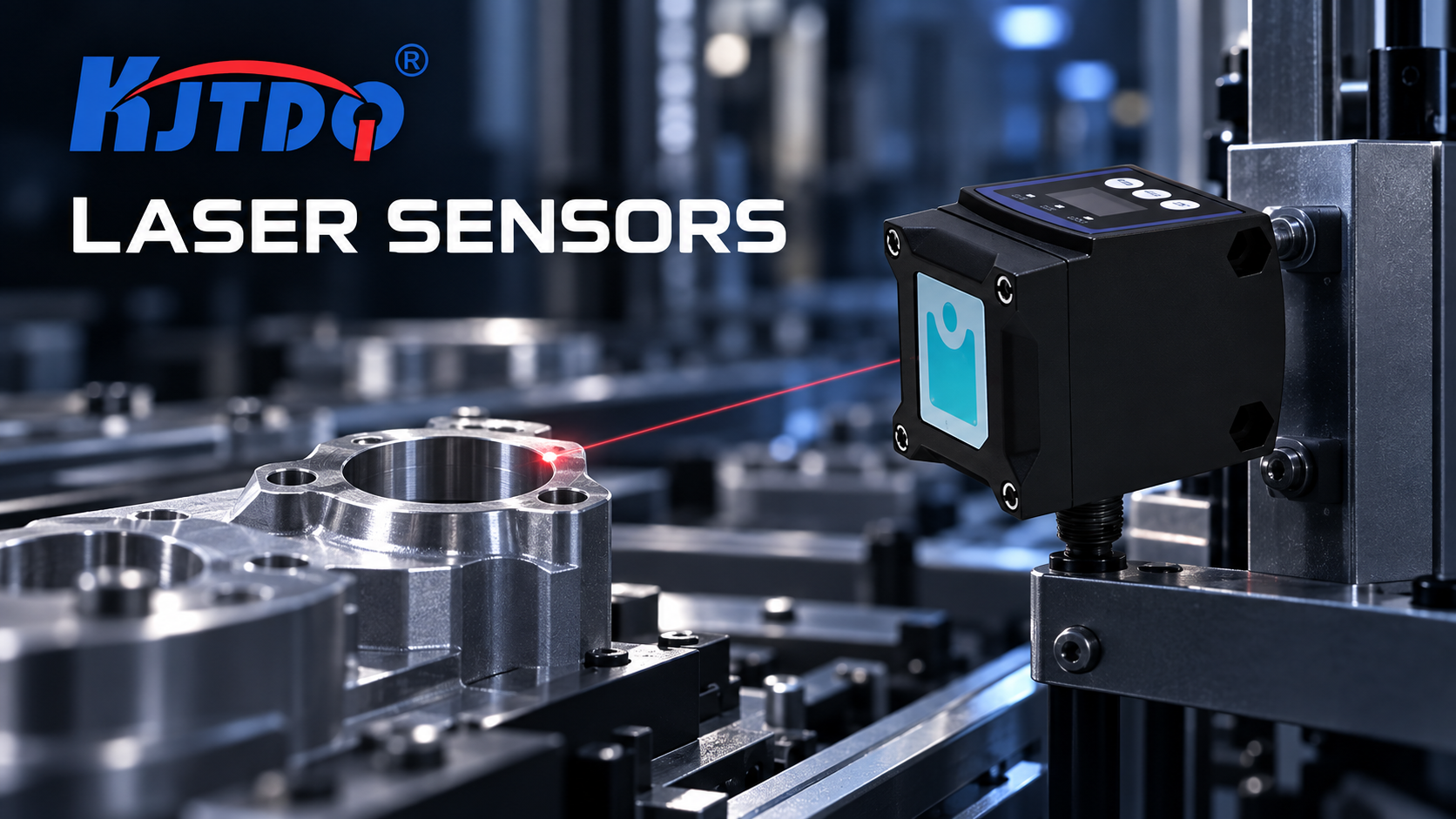
At its heart, the 0ID251 is a laser displacement sensor. It operates on the principle of optical triangulation. The sensor projects a focused, visible red laser beam onto the target object. The light reflected from the surface is then captured by a high-resolution CMOS linear image sensor at a specific angle. By precisely calculating the position of the reflected light spot on the image sensor, the 0ID251 can determine the exact distance to the target with micron-level resolution. This non-contact method is crucial for measuring delicate, hot, fast-moving, or otherwise inaccessible objects without causing any wear or damage.
The defining characteristics of the 0ID251 laser sensor contribute significantly to its widespread adoption. First and foremost is its high precision and repeatability. It offers stable measurements even on challenging surfaces with varying colors or textures, thanks to advanced algorithms that compensate for these differences. Its compact and rugged housing is built to withstand harsh industrial conditions, including dust, vibrations, and electromagnetic interference. The sensor typically features a variety of output options, such as analog voltage/current, digital switches (NPN/PNP), and serial communication (like RS-485), allowing for seamless integration into existing PLC (Programmable Logic Controller) systems or data acquisition networks.
Ease of use is another strong suit. Many models come with intuitive teach-in functions, where setting measurement thresholds or reference points is as simple as pressing a button while the sensor is in the desired position. The visible laser spot makes alignment and setup straightforward, saving valuable commissioning time on the factory floor.
The applications for the 0ID251 laser sensor are vast and span across multiple industries. In automotive manufacturing, it is used for gap and flush measurement between body panels, ensuring perfect fit and finish. In electronics assembly, it verifies the coplanarity of component leads or the height of mounted chips. Within the packaging industry, it monitors fill levels in bottles or checks the thickness of stacked materials. On robotic production lines, it provides precise positioning feedback for pick-and-place operations or weld seam tracking. Furthermore, it plays a vital role in quality inspection systems, detecting warpage, thickness variations, or presence/absence of parts with incredible speed and reliability.
When selecting a sensor like the 0ID251 for a specific task, several parameters must be considered. The measuring range defines the minimum and maximum distances over which the sensor can operate accurately. The spot size of the laser determines the minimum feature that can be measured and affects edge detection. Response speed, or sampling rate, is critical for high-speed production lines. Environmental factors such as ambient light, temperature fluctuations, and the material properties of the target must also be evaluated to ensure optimal performance.
In conclusion, the 0ID251 laser sensor represents a fusion of sophisticated optical engineering and practical industrial design. It translates the abstract concept of distance into a precise, actionable digital signal, empowering automation systems to achieve new levels of quality, efficiency, and consistency. For engineers seeking a dependable solution for non-contact displacement, dimension, or position measurement, understanding and leveraging the capabilities of sensors like the 0ID251 is a fundamental step towards optimizing modern industrial processes. Its role in enabling smarter, more responsive manufacturing ecosystems continues to grow as industries push the boundaries of precision and automation.