check

check
check

check
check
check
check
check

check

check
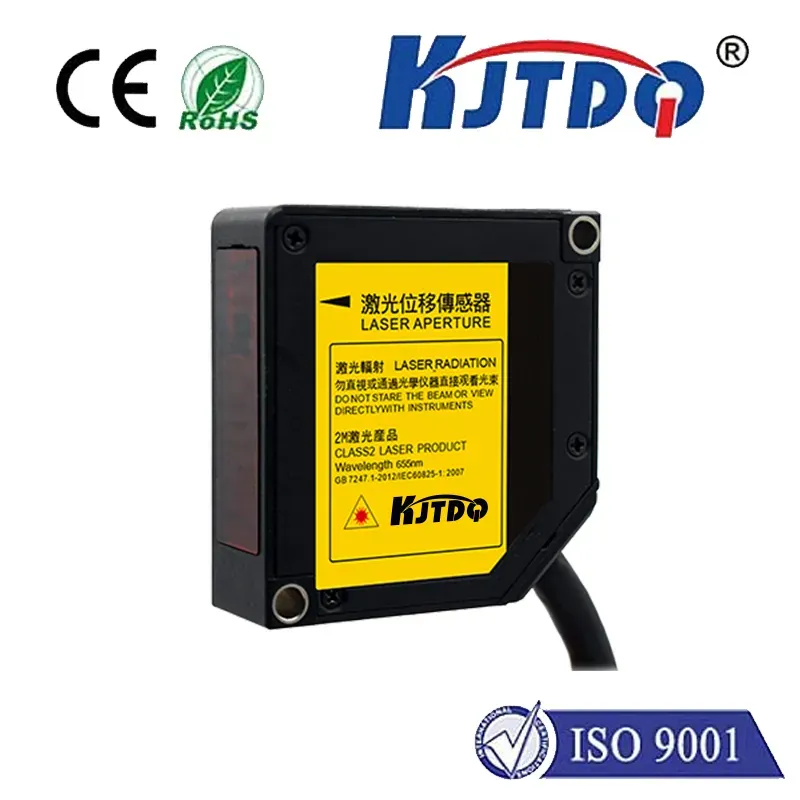
In the realm of industrial automation and precision measurement, the demand for sensors that deliver unwavering accuracy and robust performance is paramount. Among the leading solutions, the DL100-23AB2102 laser sensor stands out as a cornerstone technology for countless applications. This comprehensive guide delves into the core features, operational principles, and diverse use cases of this advanced sensor, providing essential insights for engineers and system integrators.
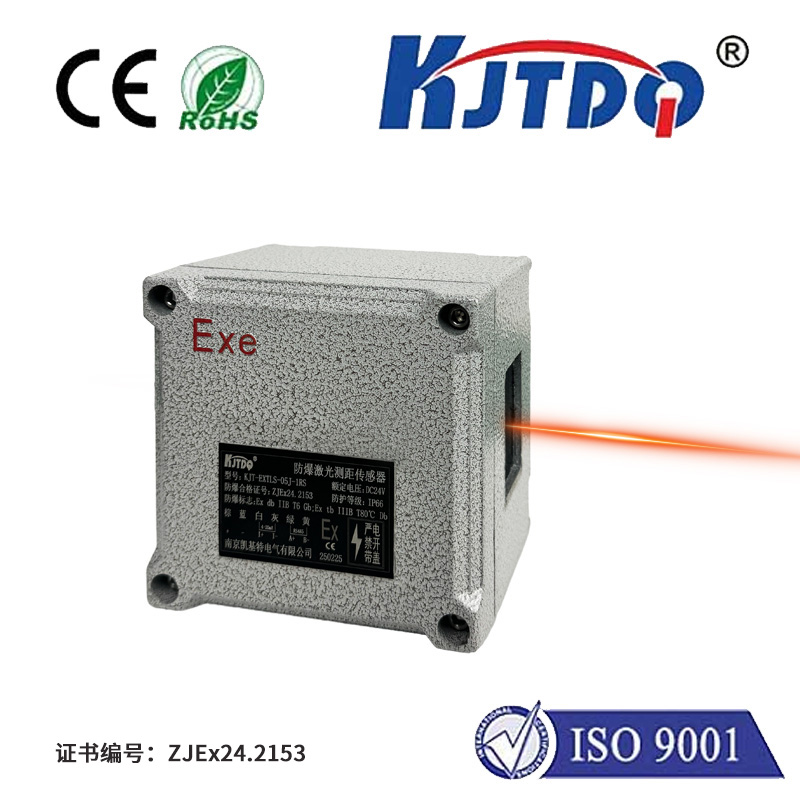
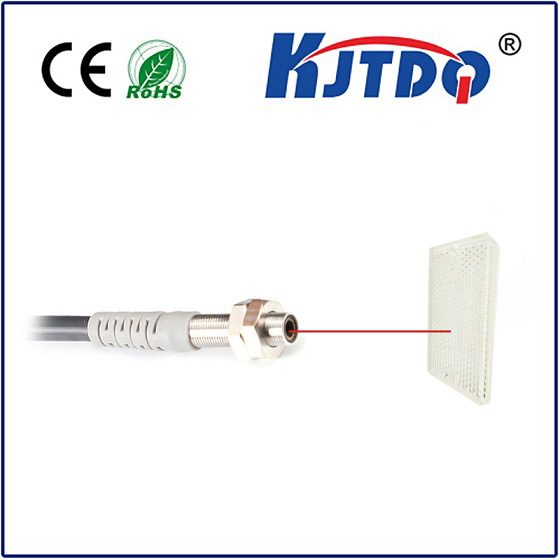
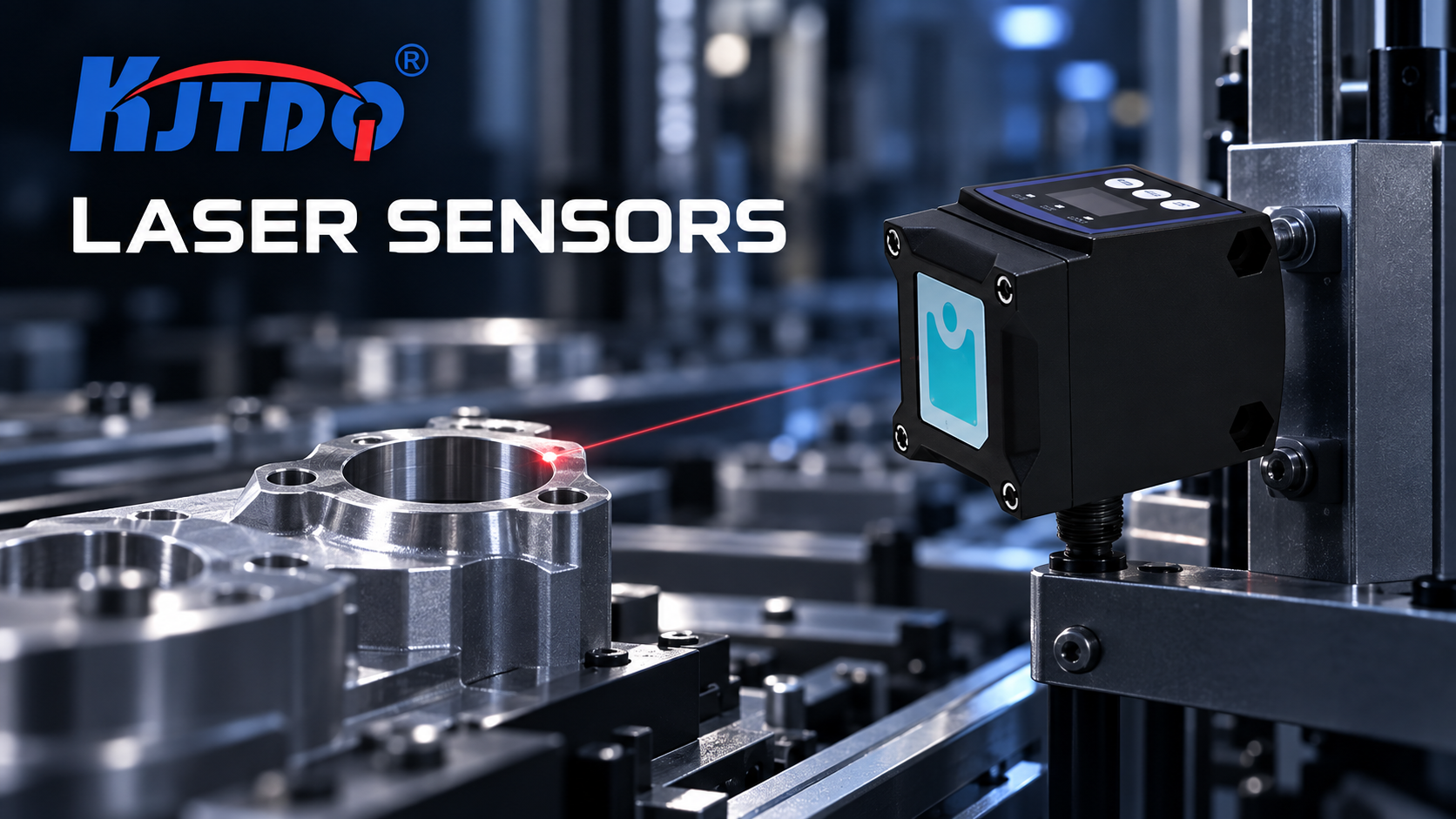
The DL100-23AB2102 is a state-of-the-art laser sensor designed for high-precision distance measurement and object detection. Its core functionality is based on the principle of laser triangulation. The sensor emits a focused, visible red laser beam onto a target surface. The reflected light is then captured by a high-resolution receiver element within the sensor. By calculating the angle of the reflected beam, the onboard processor precisely determines the distance to the target with exceptional resolution and repeatability. This method allows for non-contact measurement, which is critical for delicate surfaces or dynamic production lines where physical contact could cause damage or inaccuracies.
One of the defining characteristics of the DL100-23AB2102 is its remarkable precision. It offers micron-level resolution, enabling it to detect minute variations in height, thickness, or position. This makes it indispensable in quality control processes, such as verifying component dimensions, inspecting PCB warpage, or monitoring fill levels in containers with extreme accuracy. The sensor's high-speed response time ensures it can keep pace with fast-moving production lines, providing real-time data for immediate process adjustment and preventing defects.
Beyond precision, reliability in harsh industrial environments is a non-negotiable requirement. The DL100-23AB2102 is engineered with this in mind. It typically features a rugged housing rated for IP67 protection, making it resistant to dust ingress and capable of withstanding temporary immersion in water. This durability ensures consistent operation in settings exposed to coolants, oil mist, vibrations, and temperature fluctuations commonly found in manufacturing plants, automotive assembly lines, and logistics hubs.
The versatility of this laser sensor is another key strength. Its adjustable sensing range and configurable output modes (such as analog voltage/current, digital switching, or serial communication via RS-232/485) allow for seamless integration into a wide array of control systems. Common applications include:
* Precision Positioning: Guiding robotic arms for pick-and-place operations or assembly tasks.
* Thickness and Gap Measurement: Ensuring uniform material thickness in rolling mills or checking gap widths in automotive body panels.
* Object Detection and Counting: Identifying and tallying products on high-speed conveyor belts without physical contact.
* Warpage and Deformation Inspection: Detecting subtle bends or distortions in metal sheets, plastic components, or electronic substrates.
* Liquid Level Monitoring: Accurately gauging levels in transparent or opaque containers.
Installation and setup are streamlined through user-friendly features. Many models come with intuitive teach-in functions or companion software, allowing operators to easily set measurement windows, thresholds, and output parameters. The visible laser spot simplifies alignment, ensuring the sensor is correctly positioned for optimal performance from the initial setup.
When selecting a sensor for a critical application, factors like long-term stability, minimal drift, and excellent signal-to-noise ratio are crucial. The DL100-23AB2102 is designed to deliver on these fronts, providing stable readings over extended periods, which reduces maintenance needs and calibration cycles, thereby lowering the total cost of ownership.
In conclusion, the DL100-23AB2102 laser sensor represents a fusion of high technology and practical engineering. Its exceptional accuracy, environmental robustness, and application flexibility make it a trusted component for enhancing automation, improving product quality, and optimizing operational efficiency. For professionals seeking a reliable solution for non-contact measurement challenges, understanding the capabilities of this sensor is a significant step toward building more intelligent and precise industrial systems.