check

check
check

check
check
check
check
check

check

check
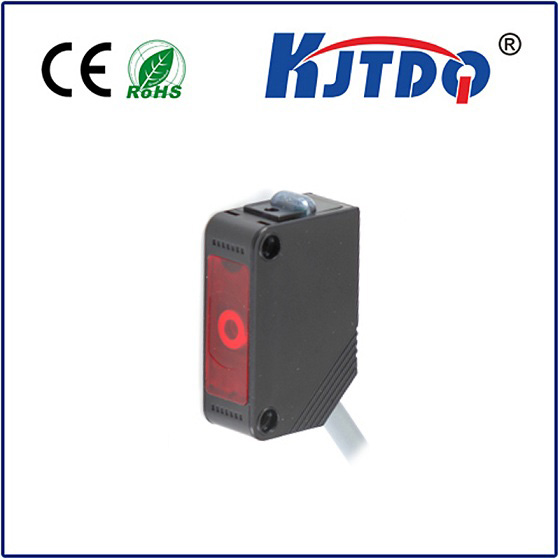
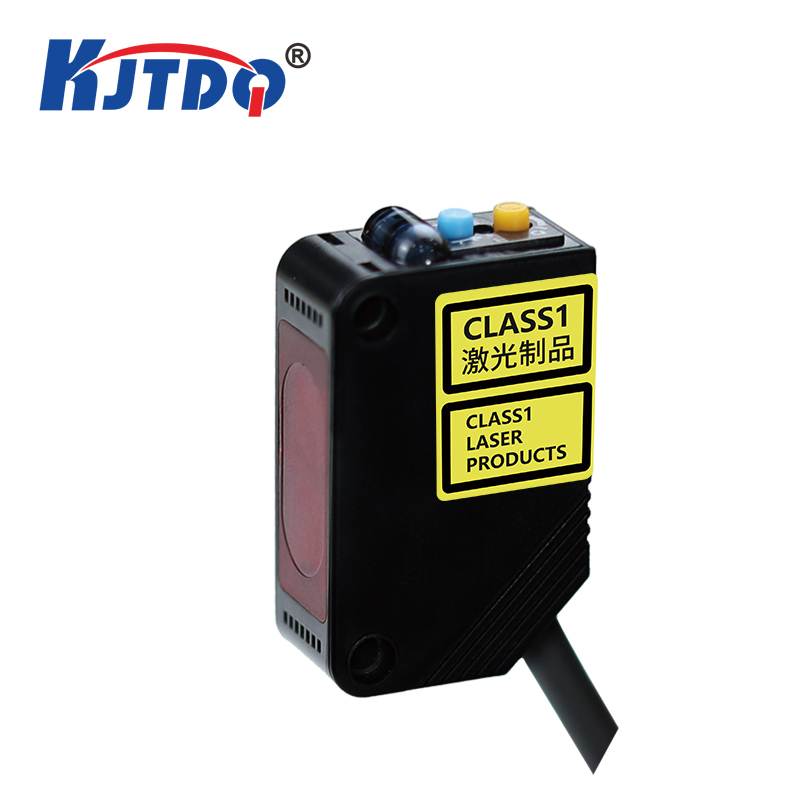
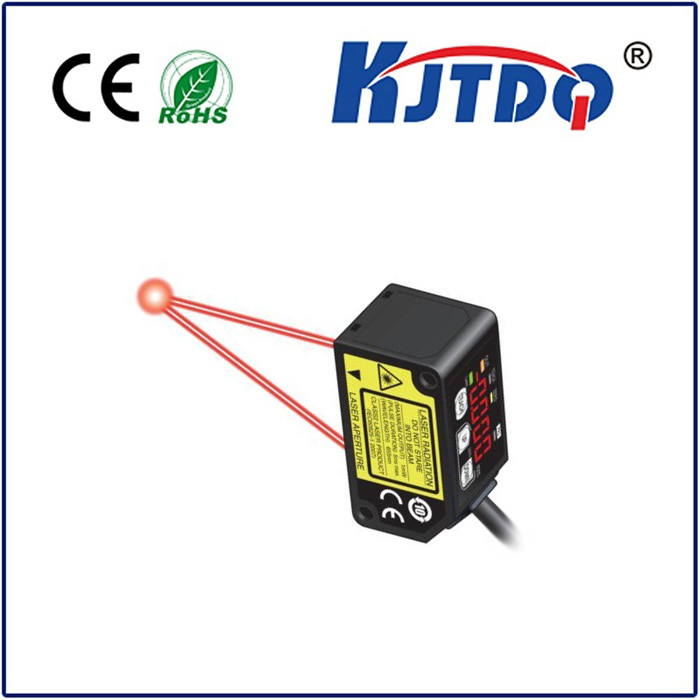
In the rapidly evolving landscape of industrial automation, the demand for reliable, high-precision measurement solutions is paramount. The O5D101 laser sensor emerges as a critical component in this ecosystem, designed to deliver exceptional accuracy and stability in diverse and challenging environments. This compact yet powerful device utilizes advanced laser triangulation principles to perform non-contact distance and displacement measurements with micron-level precision.
The core strength of the O5D101 lies in its robust design and sophisticated internal processing. Engineered for industrial-grade durability, it features a rugged housing that provides strong resistance to ambient light interference, electrical noise, and vibrations commonly found on factory floors. Its high-speed sampling capability allows for real-time monitoring of fast-moving objects on production lines, from verifying component heights and thicknesses to detecting edge positions and monitoring fill levels. The sensor's integrated microprocessor handles complex data calculations internally, outputting stable, filtered measurement values directly to PLCs or control systems, thereby reducing the processing burden on the main controller.
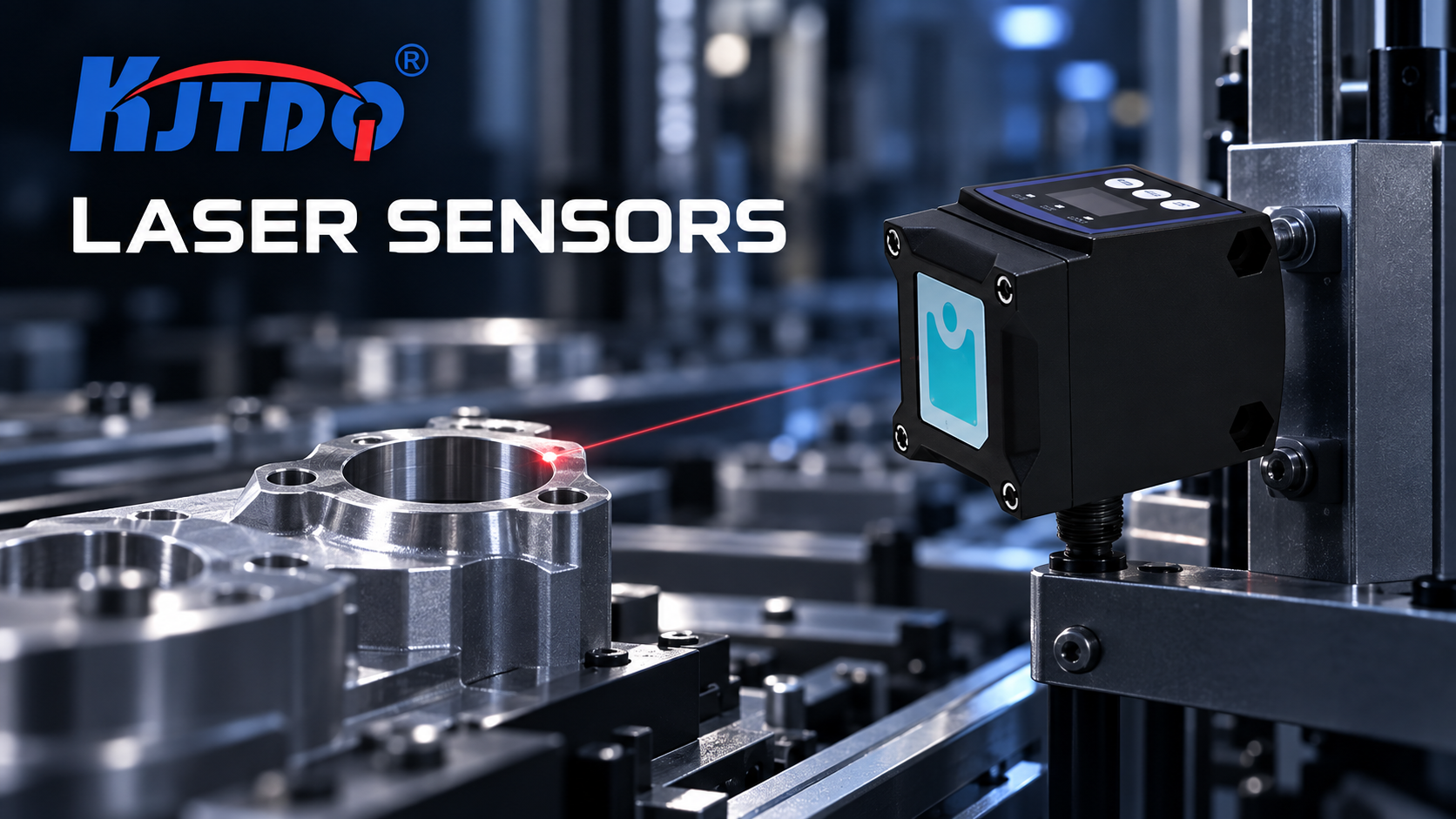
A key application area for the O5D101 is in quality control and inspection. On assembly lines for electronics, automotive parts, or precision machinery, even a minute deviation can lead to product failure. The sensor's fine laser spot and high resolution enable it to detect sub-millimeter defects, warping, or misalignment that might be invisible to the human eye or traditional mechanical probes. For instance, it can precisely measure the coplanarity of semiconductor chips or the gap between smartphone screen layers, ensuring every product meets stringent specifications.
Beyond inspection, the O5D101 plays a vital role in process guidance and positioning. In robotic pick-and-place systems, the sensor provides real-time feedback on the target object's exact position and orientation, enabling robots to adjust their grip accurately. This is crucial in automated warehousing and logistics, where packages of varying sizes and materials must be handled efficiently. Similarly, in CNC machining and additive manufacturing, the sensor can be used for tool setting, workpiece alignment, and in-process measurement, compensating for thermal drift and material inconsistencies to enhance overall machining accuracy.
Installation and integration are streamlined with user-friendly features. Many models offer intuitive teach-in functions for easy setup of measurement ranges and output windows. Analog outputs (0-10V or 4-20mA) and digital interfaces (like IO-Link) provide flexible connectivity options for seamless integration into existing industrial networks. The sensor's consistent performance over a wide temperature range ensures reliability in both climate-controlled clean rooms and harsh industrial settings near ovens or welding stations.
Maintenance requirements for the O5D101 are minimal, contributing to lower total cost of ownership. Its solid-state design, with no moving parts subject to wear, ensures a long operational life. The laser diode itself is rated for tens of thousands of hours. Regular cleaning of the front lens to remove dust or oil mist is typically all that's needed to maintain optimal performance. This reliability translates to reduced machine downtime and higher overall equipment effectiveness (OEE) for manufacturing operations.
As industries push towards smarter, more connected factories under the Industry 4.0 framework, sensors like the O5D101 become foundational data sources. Their precise measurements feed into larger data analytics systems, enabling predictive maintenance, statistical process control, and continuous optimization of production parameters. The O5D101 laser sensor, therefore, is not merely a measurement tool but an enabler of intelligent automation, driving efficiency, quality, and productivity in modern manufacturing. Its combination of precision, robustness, and ease of use makes it an indispensable asset for engineers and system integrators aiming to build resilient and competitive automated systems.