check

check
check

check
check

check
In the complex landscape of industrial automation, the quest for reliable, precise, and robust sensing solutions is never-ending. Among the myriad of components that form the backbone of modern production lines, the OMT300-R201-UEP-IO-0,3M-V31 laser sensor stands out as a critical tool for engineers and system integrators. This device represents a sophisticated convergence of optical engineering and digital signal processing, designed to deliver exceptional performance in challenging environments where accuracy is non-negotiable.
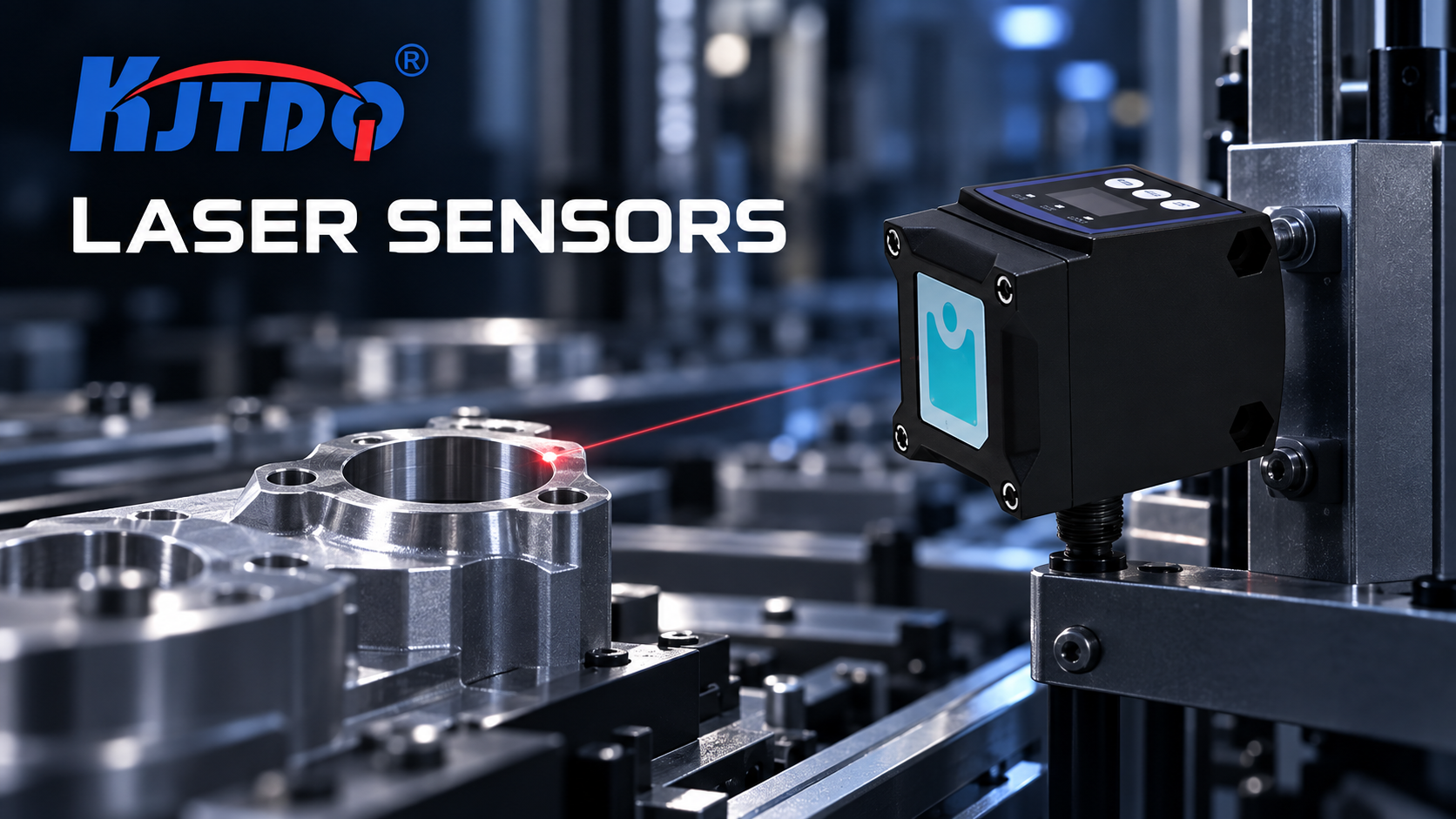
The core functionality of the OMT300-R201-UEP-IO-0,3M-V31 revolves around its advanced laser triangulation principle. Unlike conventional sensors, it projects a highly focused, visible red laser beam onto a target surface. The reflection from this surface is captured by a high-resolution receiver element at a precise angle. By calculating the displacement of the reflected beam, the sensor can determine the exact distance to the target with micron-level resolution. This 0,3-meter (300mm) sensing range is optimized for applications requiring close-range, high-accuracy measurements, such as verifying part presence, monitoring fill levels in small containers, or controlling the position of robotic end-effectors.
A key feature encapsulated in its model designation is the integrated IO-Link communication interface, denoted by "UEP-IO". This is not merely a connectivity option; it represents a paradigm shift in sensor integration and data intelligence. IO-Link transforms the sensor from a simple switching device into a smart, data-rich node on the factory network. Through this point-to-point serial communication, users can not only read the measured value but also remotely configure all sensor parameters—such as switching thresholds, response times, and output logic—directly from the PLC or a central control system. This drastically reduces downtime during changeovers and eliminates the need for manual adjustments at the sensor itself. Furthermore, IO-Link enables continuous condition monitoring by providing diagnostic data, alerting maintenance teams to potential issues like lens contamination or declining signal strength before they lead to process failures.
The construction of the OMT300-R201-UEP-IO-0,3M-V31 is engineered for resilience. Industrial settings are often plagued by ambient light interference, dust, vibration, and temperature fluctuations. This sensor incorporates specialized optical filters to mitigate the effects of stray ambient light, ensuring stable operation even under harsh workshop lighting. Its housing is typically designed to meet high ingress protection ratings, safeguarding the internal electronics from dust and moisture. The robust design ensures long-term stability and repeatability of measurements, which is paramount for maintaining consistent product quality and minimizing waste.
Practical applications for this laser sensor are extensive across diverse sectors. In the automotive industry, it is deployed on assembly lines to verify the precise seating of components like gaskets or electronic modules. Within electronics manufacturing, it ensures the correct height of surface-mounted devices on PCBs. In packaging machinery, it monitors the position of labels or the fill level of small vials and blister packs with exceptional speed and accuracy. The digital IO-Link output provides a clear, noise-immune signal that integrates seamlessly with Programmable Logic Controllers (PLCs), ensuring reliable communication within the broader automation ecosystem.
Selecting the right sensor for a specific task involves careful consideration. The OMT300-R201-UEP-IO-0,3M-V31, with its defined 0.3-meter range, is ideal for applications where the target is consistently within this distance. Engineers must evaluate factors such as the target's material, color, and surface texture, as these can affect the laser's reflectivity. However, the configurability offered by the IO-Link interface allows for on-the-fly adjustments to compensate for different target properties, enhancing the sensor's versatility. For system designers, the inclusion of IO-Link future-proofs the installation, aligning with Industry 4.0 initiatives that demand greater data transparency and device interoperability.
Ultimately, the value of a component like the OMT300-R201-UEP-IO-0,3M-V31 laser sensor is measured by its contribution to overall equipment effectiveness (OEE). By providing unwavering accuracy, facilitating predictive maintenance through smart diagnostics, and enabling flexible production lines, it moves beyond being a simple component to become a strategic asset. It empowers manufacturers to achieve higher levels of automation, reduce operational costs associated with errors and downtime, and maintain a competitive edge through superior process control. In an era defined by smart manufacturing, such intelligent sensing solutions are indispensable for building responsive, efficient, and reliable industrial operations.