check

check
check

check
check

check
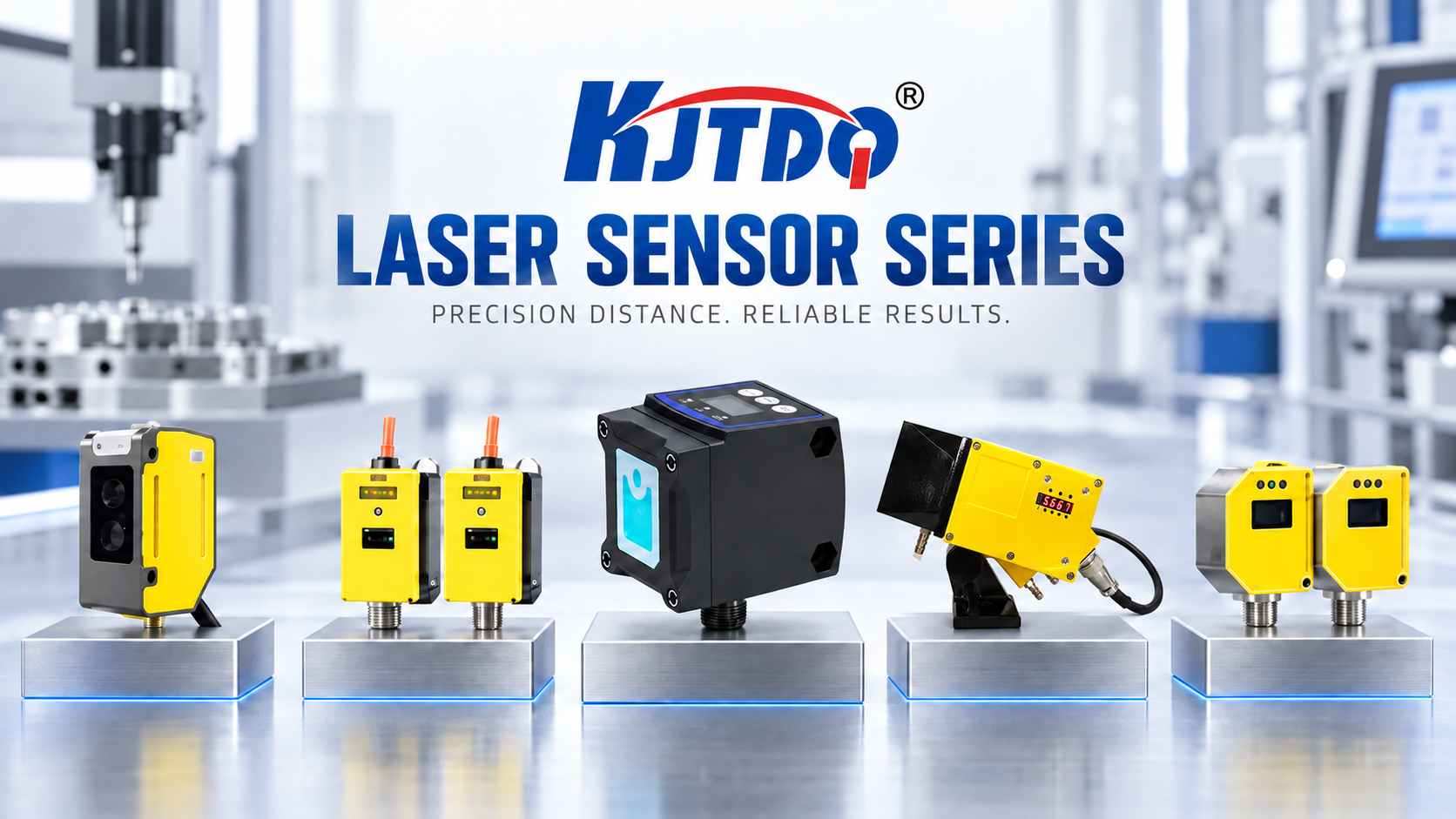
In the realm of industrial automation and precision engineering, the demand for accurate, reliable, and robust measurement solutions is paramount. Among the array of sensing technologies available, laser sensors stand out for their exceptional performance. The IL-S025 laser sensor emerges as a pivotal component in this landscape, offering a blend of high precision and versatility that caters to a wide spectrum of applications. This guide delves into the core features, operational principles, and practical uses of this advanced sensor.
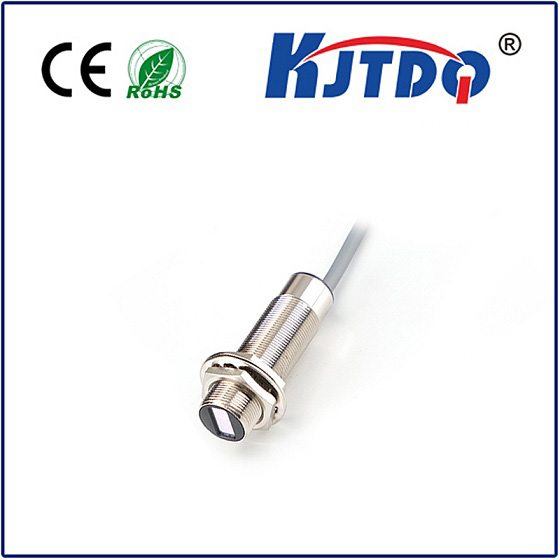
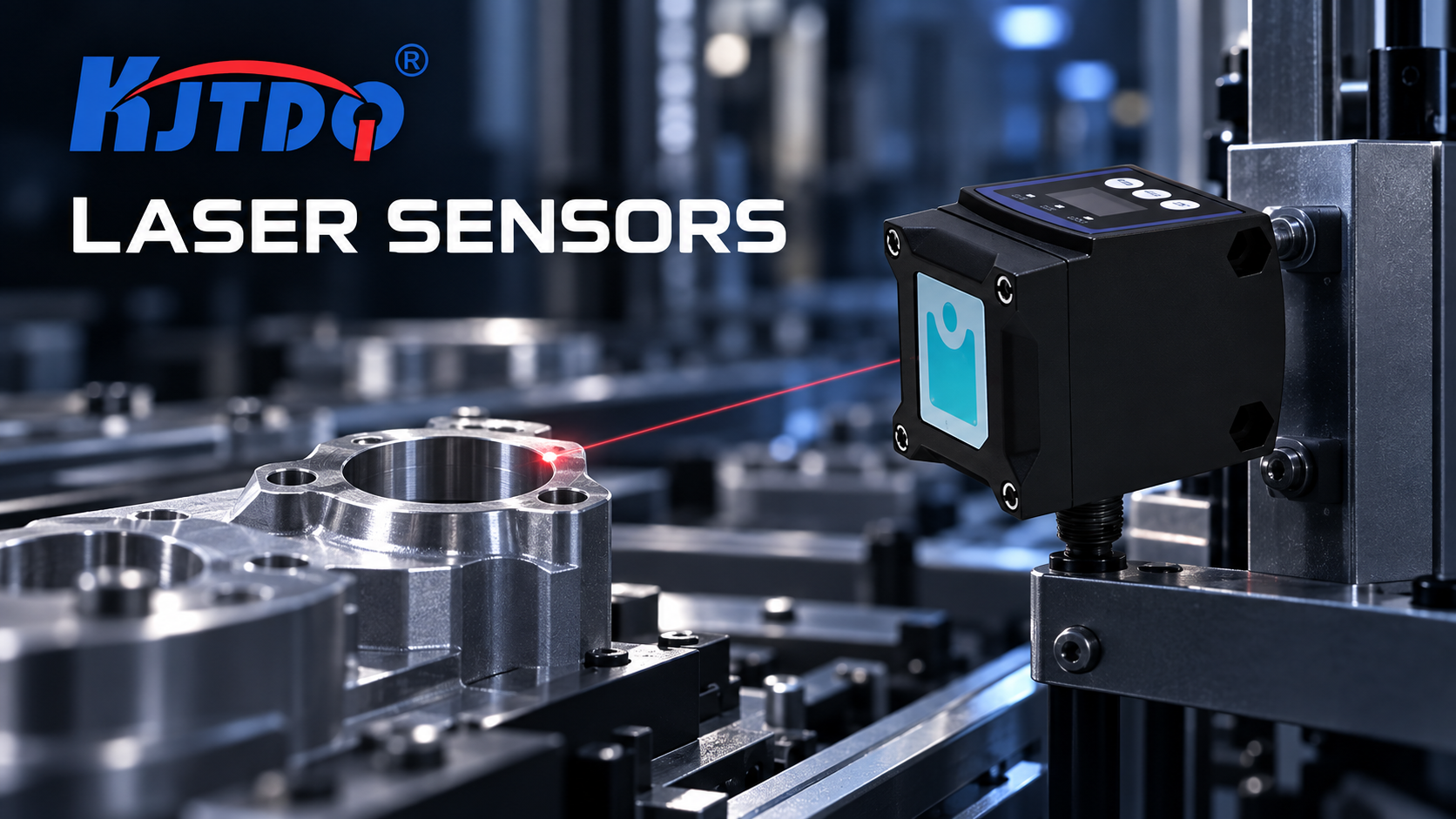
At its heart, the IL-S025 is a compact, high-performance laser displacement sensor. It operates on the principle of triangulation. The sensor emits a focused, visible red laser beam onto the target object. The light reflected from the surface is then captured by a high-resolution receiving element, typically a CCD or PSD. By calculating the angle of the reflected beam, the sensor's internal processor determines the exact distance to the target with remarkable accuracy. This non-contact method is crucial for measuring delicate, hot, fast-moving, or otherwise inaccessible objects without causing any wear or interference.
The defining characteristics of the IL-S025 make it a preferred choice for engineers. It boasts a high sampling rate, enabling real-time measurement of rapidly changing positions or thicknesses on production lines. Its resolution is exceptionally fine, allowing it to detect minute variations that are invisible to the human eye. Furthermore, many models feature a built-in digital display and intuitive configuration buttons, simplifying setup and calibration directly at the installation point without the immediate need for external software. The robust housing is often designed to withstand harsh industrial environments, including dust, vibrations, and incidental moisture splashes.
The practical applications of the IL-S025 laser sensor are vast and varied. In manufacturing, it is indispensable for quality control. It can precisely measure the height, thickness, or width of components such as semiconductor chips, automotive parts, or pharmaceutical blister packs, ensuring every piece meets strict tolerances. On assembly lines, it performs critical tasks like detecting the presence or absence of parts, counting objects on a conveyor belt, or precisely positioning robotic arms. Beyond traditional manufacturing, it finds use in research and development labs for material analysis, in logistics for package dimensioning, and in the electronics industry for inspecting solder paste height or PCB warpage.
When integrating the IL-S025 into a system, several best practices ensure optimal performance. First, selecting the appropriate model for the required measuring range and environmental conditions is essential. Proper mounting is critical to minimize the effects of vibration and ensure a stable measurement point. The surface condition of the target significantly influences the sensor's reading; highly reflective, transparent, or dark matte surfaces may require specific sensor models with advanced filtering or specialized algorithms. Regular maintenance, such as keeping the lens clean from dust and debris, preserves long-term accuracy and reliability.
Comparing the IL-S025 to other sensing technologies like ultrasonic or inductive sensors highlights its advantages. While ultrasonic sensors are effective for longer ranges and are indifferent to color, laser sensors provide superior precision and a much smaller spot size, allowing for measurements on very small features. Compared to inductive sensors, which only detect metals, the IL-S025 can measure a vast array of materials including plastics, ceramics, and liquids, offering far greater application flexibility.
In conclusion, the IL-S025 laser sensor represents a cornerstone technology for modern precision measurement. Its ability to deliver fast, accurate, and non-contact data makes it an invaluable tool across countless industries. From enhancing production quality to enabling advanced automation, this sensor empowers engineers and technicians to achieve new levels of control and efficiency in their processes. Understanding its capabilities and proper implementation is key to unlocking its full potential in any demanding measurement task.