check

check
check

check
check

check
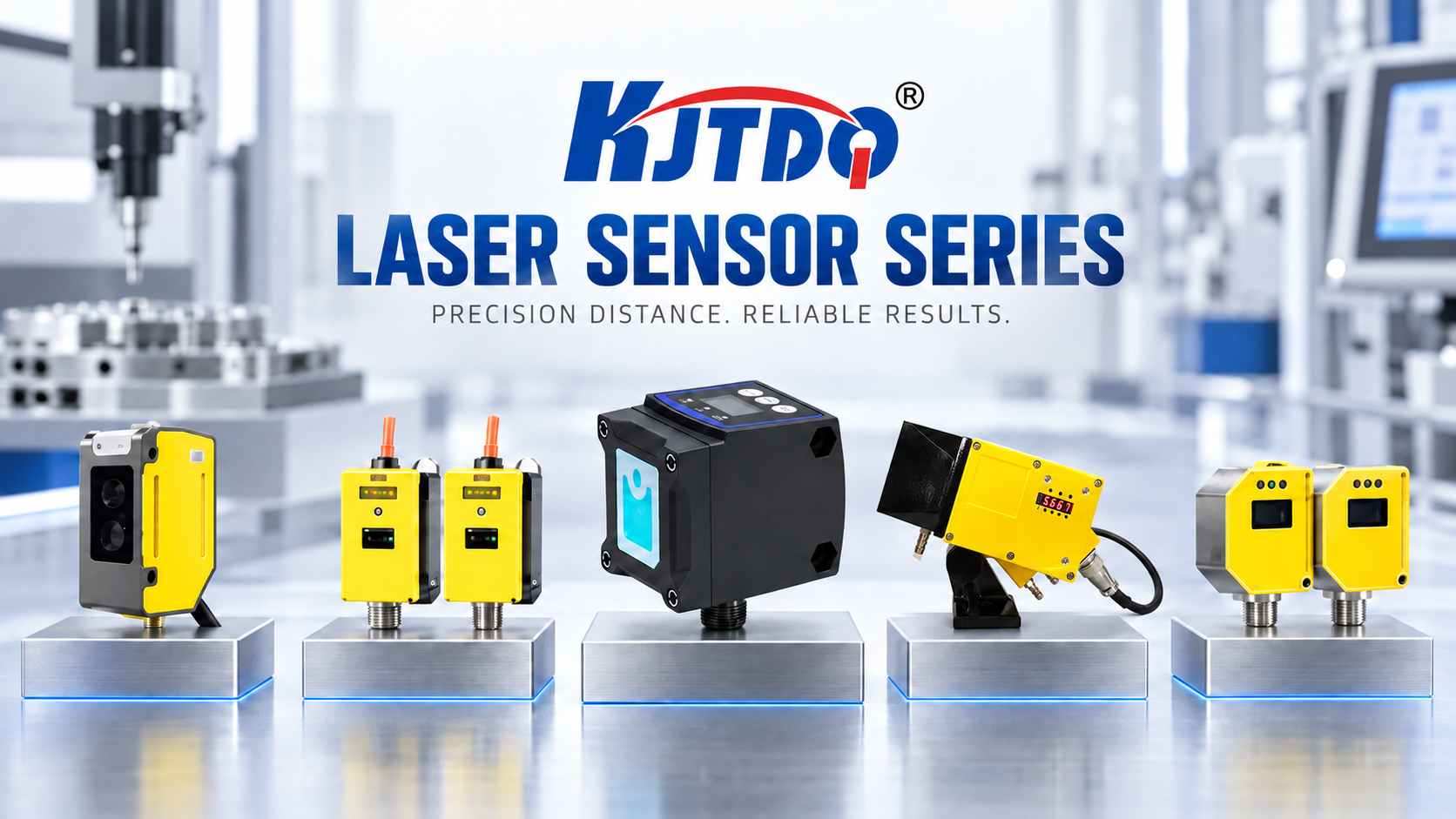
In the world of industrial automation and precision measurement, the demand for reliable, accurate, and robust sensing solutions is paramount. Among the myriad of options available, the CD33-85N/P laser sensor stands out as a sophisticated tool engineered for high-performance applications. This comprehensive guide delves into the core features, operational principles, and diverse use cases of this advanced sensor, providing essential insights for engineers, system integrators, and procurement specialists.
The CD33-85N/P is a through-beam type laser sensor, a design known for its exceptional long-range detection capability and high stability. The "N" and "P" variants typically denote the output configuration, such as NPN or PNP transistor outputs, allowing for seamless integration with various control systems, including PLCs from different manufacturers. Its core technology utilizes a focused laser beam emitted from the transmitter unit, which is received by a separate receiver unit. An object interrupting this beam triggers a precise detection signal. This fundamental principle grants it significant advantages in environments where other sensors might struggle.
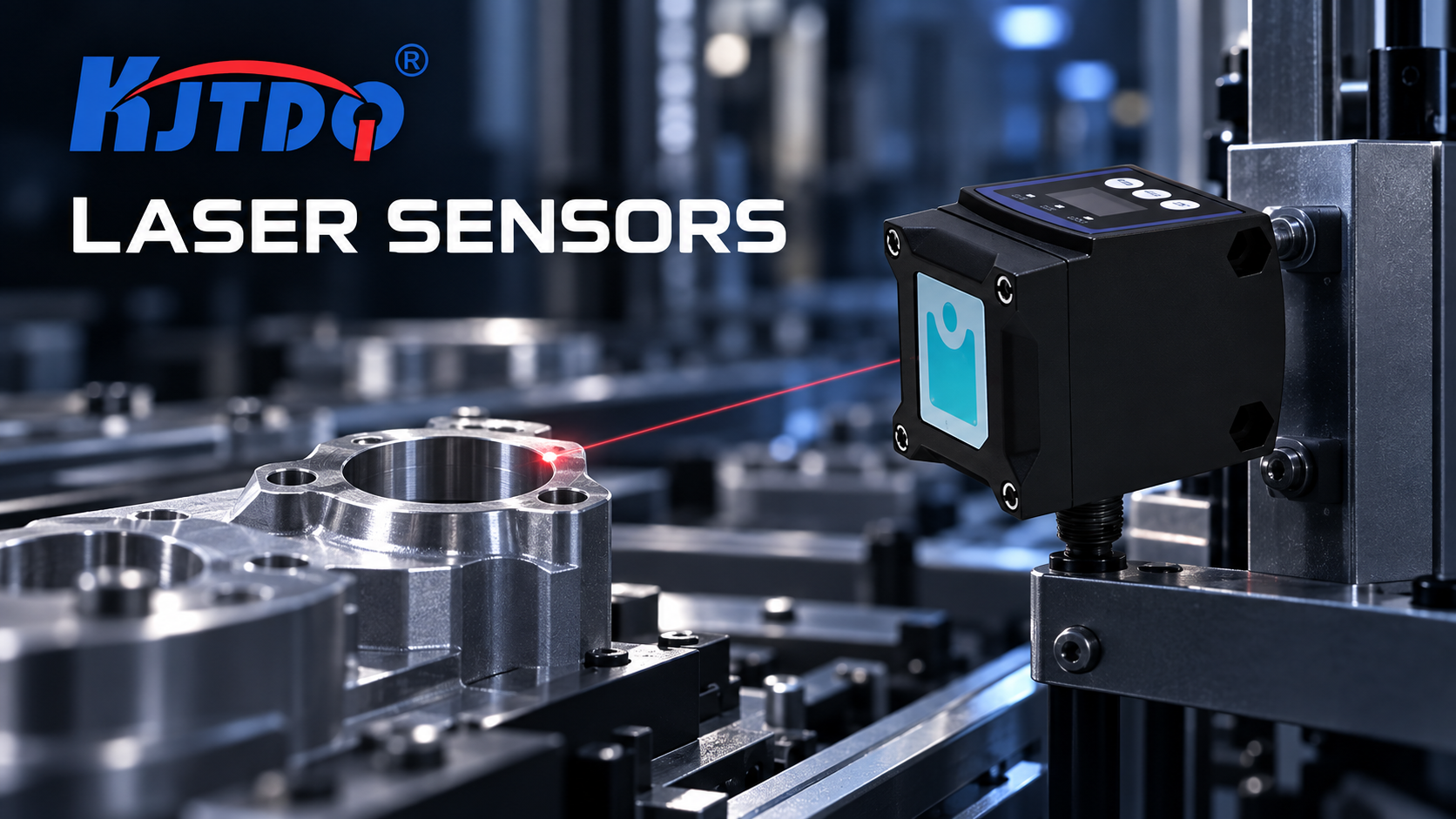
One of the most compelling attributes of the CD33-85N/P is its remarkable sensing distance. Capable of operating over spans up to several meters—specifics depend on the exact model—it excels in applications requiring long-range object detection. This makes it ideal for monitoring large conveyor systems, controlling access to wide gates, or detecting vehicles and large packages in logistics hubs. The focused laser beam minimizes the impact of ambient light interference, ensuring consistent performance even in brightly lit warehouses or outdoor settings with varying sunlight.
Precision and response speed are critical in modern manufacturing. The CD33-85N/P laser sensor offers a very small detectable object size due to its finely collimated beam. This allows for the detection of thin wires, small components on fast assembly lines, or precise edge positioning. Its high-speed response time enables it to keep pace with rapid production cycles, providing real-time feedback for counting, sorting, and quality control processes without becoming a bottleneck.
Durability is non-negotiable in industrial environments. These sensors are typically housed in rugged metal or high-grade plastic casings with robust IP ratings (e.g., IP67), offering protection against dust, water jets, oil mist, and mechanical impacts. This resilience ensures reliable operation in harsh conditions found in automotive plants, metalworking facilities, and food processing lines. The stability of the laser source also contributes to long-term reliability, reducing maintenance needs and downtime.
The application spectrum for the CD33-85N/P laser sensor is vast. In packaging machinery, it is used for precise label detection, carton presence verification, and fill-level control. In the automotive sector, it assists in robot guidance, part positioning on pallets, and safety curtain applications for automated guided vehicles (AGVs). Electronics manufacturers leverage its precision for PCB board counting and component insertion verification. Furthermore, its long-range capability is invaluable in bulk material handling for monitoring stock levels on large stockpiles or detecting oversized objects on conveyor belts.
Installation and alignment, while straightforward due to the through-beam design, require attention to detail. Proper mounting of the separate transmitter and receiver units is crucial. Many models feature alignment indicators, such as LED lights that change color or intensity when optimal alignment is achieved, simplifying setup and reducing commissioning time. Regular maintenance primarily involves keeping the optical lenses clean from dust and debris to maintain peak performance.
When selecting a sensor like the CD33-85N/P, key specifications to evaluate include the sensing distance, minimum detectable object size, response frequency, light source type (typically a visible red laser for easier alignment), output type (NPN/PNP, relay), power supply voltage, and environmental protection rating. Matching these parameters to the specific application requirements is essential for optimal results.
In conclusion, the CD33-85N/P laser sensor represents a blend of precision, range, and ruggedness. Its through-beam laser technology provides a reliable solution for challenging detection tasks across numerous industries. By offering high accuracy over long distances and in difficult environments, it enhances automation system efficiency, improves product quality, and contributes to overall operational safety. For professionals seeking a dependable and versatile photoelectric sensing solution, the CD33-85N/P series warrants serious consideration for integration into their next project.