check

check
check

check
check

check
In the realm of industrial automation and precision measurement, the demand for reliable, accurate, and robust sensing solutions is paramount. Among the array of technologies available, laser sensors stand out for their unparalleled precision and versatility. The CD33-120N/P laser sensor emerges as a sophisticated tool designed to meet the rigorous demands of modern applications, from manufacturing lines to intricate assembly processes. This guide delves into the core features, operational principles, and practical applications of this advanced sensor, providing a comprehensive overview for engineers and system integrators.
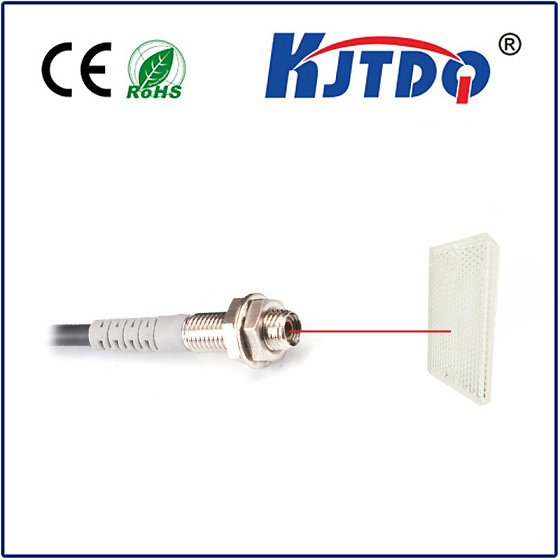
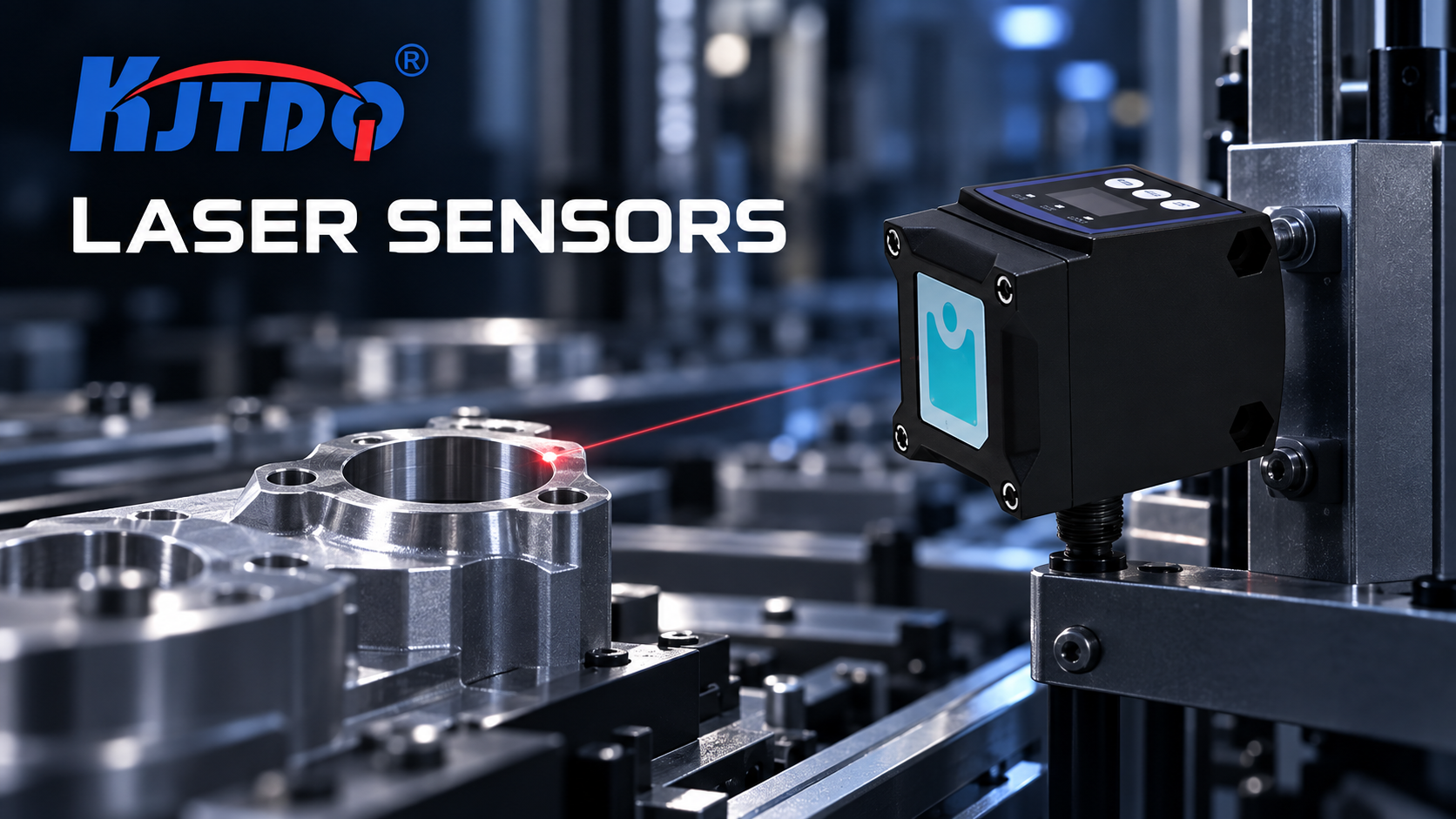
The CD33-120N/P is a high-performance laser sensor engineered for precise distance measurement and object detection. Operating on the principle of laser triangulation or time-of-flight (depending on its specific variant), it projects a focused laser beam onto a target surface. The reflected light is captured by a receiver within the sensor, and sophisticated internal circuitry calculates the distance or presence of the object with exceptional accuracy. The "N" and "P" designations typically refer to different output types or sensing modes, such as NPN or PNP transistor outputs, which are crucial for compatibility with various programmable logic controllers (PLCs) and industrial control systems. This flexibility ensures seamless integration into diverse electrical environments.
One of the defining characteristics of the CD33-120N/P is its impressive sensing range and resolution. With a working distance optimized for mid-range applications, it can reliably detect objects or measure displacements with micron-level precision. This makes it indispensable in quality control scenarios, such as verifying component dimensions, checking for part presence or absence on a conveyor, or monitoring thickness in continuous production processes. Its high response speed allows for real-time monitoring in high-speed automation lines, preventing bottlenecks and ensuring consistent product quality.
Durability and environmental resilience are critical in industrial settings. The CD33-120N/P is typically housed in a rugged casing, often rated with a high Ingress Protection (IP) code, making it resistant to dust, moisture, and oil splashes. This robust construction ensures stable operation in challenging conditions, from machine shops to outdoor installations. Furthermore, many models feature adjustable sensitivity and teach-in functions, allowing users to easily set detection thresholds for different materials, colors, or surface finishes, enhancing its adaptability.
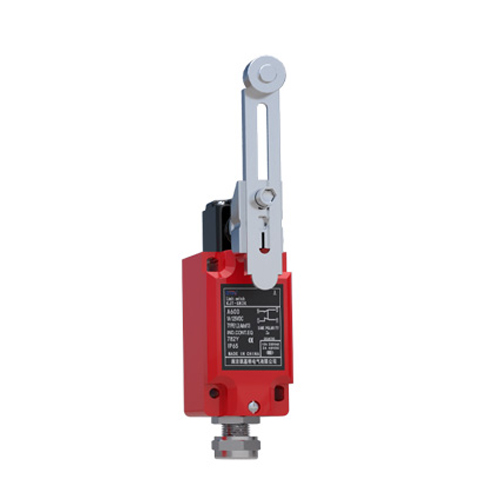
The applications for the CD33-120N/P laser sensor are vast and varied. In automotive manufacturing, it can be used for precise gap measurement between body panels or detecting the position of robotic arms. In electronics assembly, it ensures components are placed correctly on printed circuit boards. In packaging machinery, it verifies fill levels or counts products. Its ability to perform non-contact measurement also protects delicate surfaces from damage, a significant advantage over mechanical limit switches.
When integrating the CD33-120N/P, several best practices should be followed. Proper alignment is essential for optimal performance; the sensor must be positioned correctly relative to the target. Environmental factors like ambient light, particularly strong direct sunlight or other laser sources, should be considered, as they can interfere with the sensor's operation. Regular maintenance, such as cleaning the lens, preserves accuracy over time. Understanding the electrical specifications, including voltage supply and output load, is vital for safe and effective wiring.
In conclusion, the CD33-120N/P laser sensor represents a convergence of precision engineering and practical design. It offers a reliable solution for complex detection and measurement tasks, driving efficiency and quality in automated systems. By leveraging its high accuracy, robust build, and flexible configuration, industries can achieve greater control over their processes, reduce waste, and enhance overall productivity. As technology evolves, such sensors continue to be fundamental components in building smarter, more responsive industrial ecosystems.