check

check

check

check
check
check
check
check
check

check
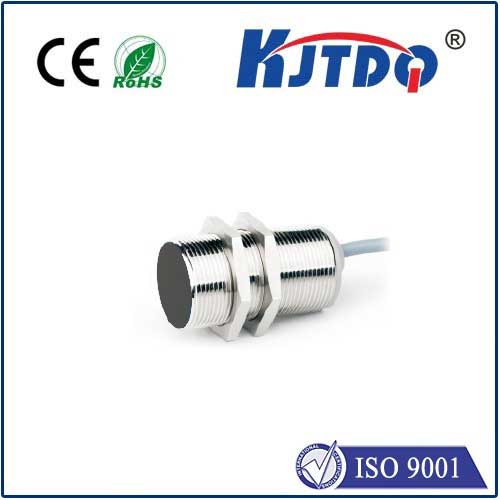
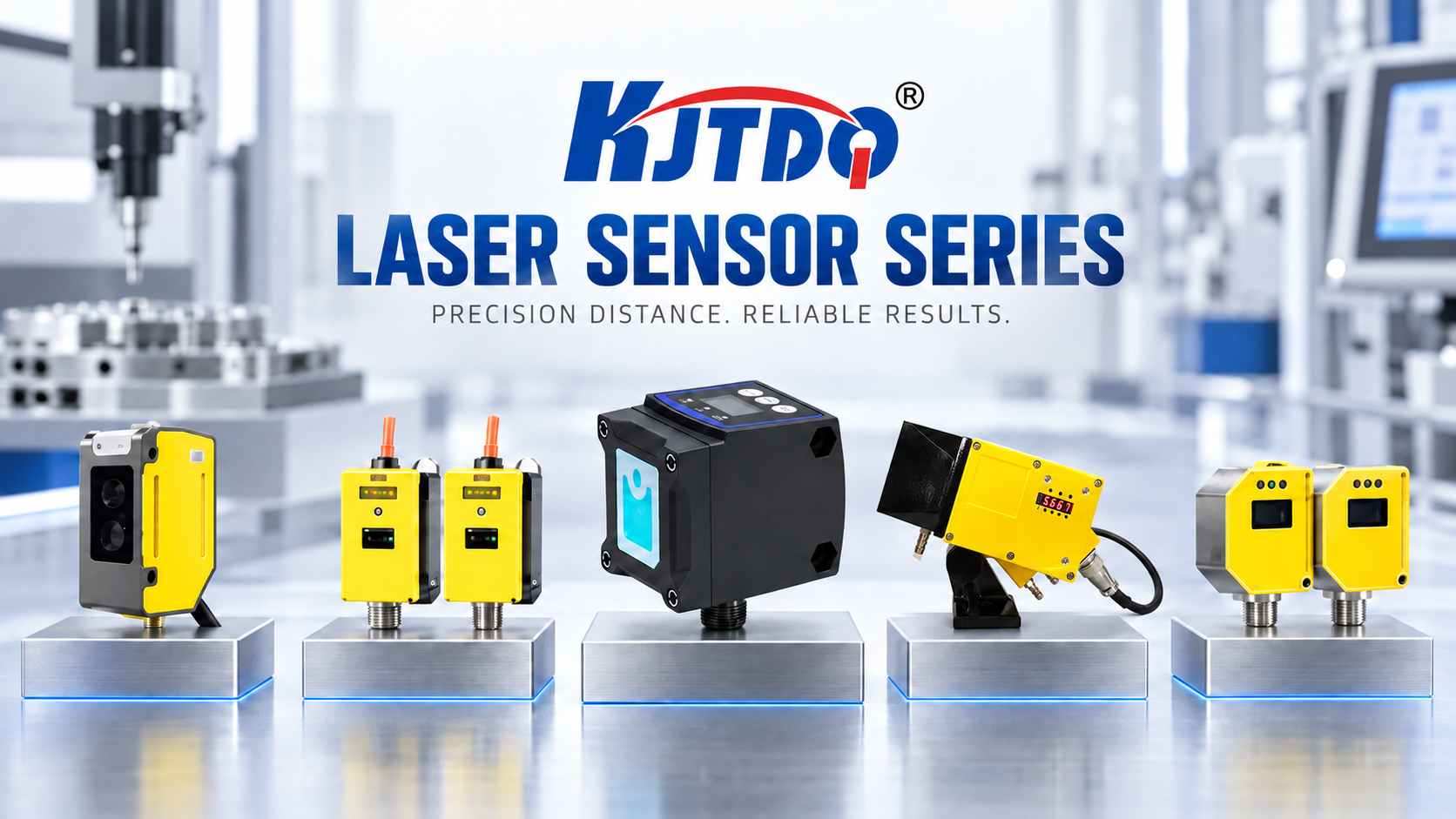
In the fast-paced world of industrial automation, precision and reliability are non-negotiable. The CD33-50N/P laser sensor stands as a cornerstone technology, engineered to meet the rigorous demands of modern manufacturing and quality control processes. This compact yet powerful device exemplifies the integration of advanced photoelectric sensing with robust industrial design.
The core of the CD33-50N/P's functionality lies in its laser triangulation principle. It emits a focused, visible red laser beam onto a target object. The reflected light is then captured by a high-resolution receiving element within the sensor. By calculating the angle of the reflected beam, the sensor's internal processor determines the exact distance to the object with exceptional accuracy. This method allows for precise detection and measurement regardless of the target's surface color or material, a significant advantage over traditional diffuse reflection sensors. The "N" and "P" variants typically denote the output logic type (NPN or PNP), ensuring seamless compatibility with a wide range of Programmable Logic Controllers (PLCs) and control systems from major global manufacturers.
One of the most compelling features of the CD33-50N/P is its high-resolution performance. With a sensing distance of up to 50mm and a repeatability precision often in the micron range, it is ideally suited for applications where minute variations matter. This makes it indispensable in electronics assembly for verifying component presence and placement height, in automotive manufacturing for gap and flush measurement between panels, and in packaging lines for precise fill-level control. Its fast response time enables reliable operation on high-speed production lines, preventing bottlenecks and ensuring consistent throughput.
Durability is built into its design. Housed in a sturdy metal casing, the CD33-50N/P is resistant to vibration, common industrial chemicals, and ambient light interference. Many models feature an IP67 protection rating, making them dust-tight and capable of withstanding temporary immersion in water. This resilience guarantees stable operation in challenging environments like machining workshops, food processing plants, and outdoor logistics systems. The integrated potentiometers or teach-in buttons allow for easy on-site configuration of the sensing window and output mode, minimizing setup time and complexity.
Beyond simple presence detection, this laser sensor facilitates sophisticated measurement tasks. It can be used for continuous distance monitoring, profiling, and thickness measurement when paired with appropriate controllers. For instance, in robotic guidance systems, it provides real-time feedback for precise positioning and handling. In wood processing, it ensures consistent board thickness. The visible laser spot also simplifies alignment during installation and troubleshooting, reducing maintenance downtime.
Implementing the CD33-50N/P laser sensor translates directly into operational excellence. It enhances product quality by providing unwavering inspection accuracy, reduces material waste through precise control, and minimizes machine downtime due to its reliability. For engineers and system integrators, its standardized mounting options and universal output signals simplify integration into new or existing production lines. As industries increasingly embrace smart manufacturing and the Industrial Internet of Things (IIoT), the precise data provided by sensors like the CD33-50N/P becomes the critical foundation for data-driven optimization and predictive maintenance strategies.
In conclusion, the CD33-50N/P laser sensor is more than just a component; it is a vital enabler of efficiency, quality, and automation intelligence. Its blend of high precision, robust construction, and versatile application potential makes it a trusted solution for engineers seeking to optimize their sensing and measurement tasks. By delivering consistent, accurate data where it matters most, this sensor helps build a more reliable, productive, and automated industrial future.