check

check

check

check
check
check
check
check

check
check
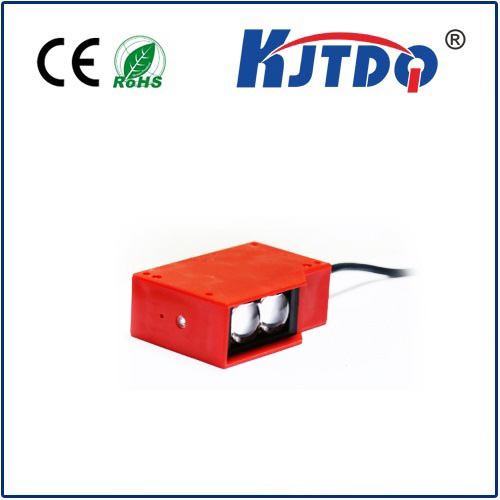
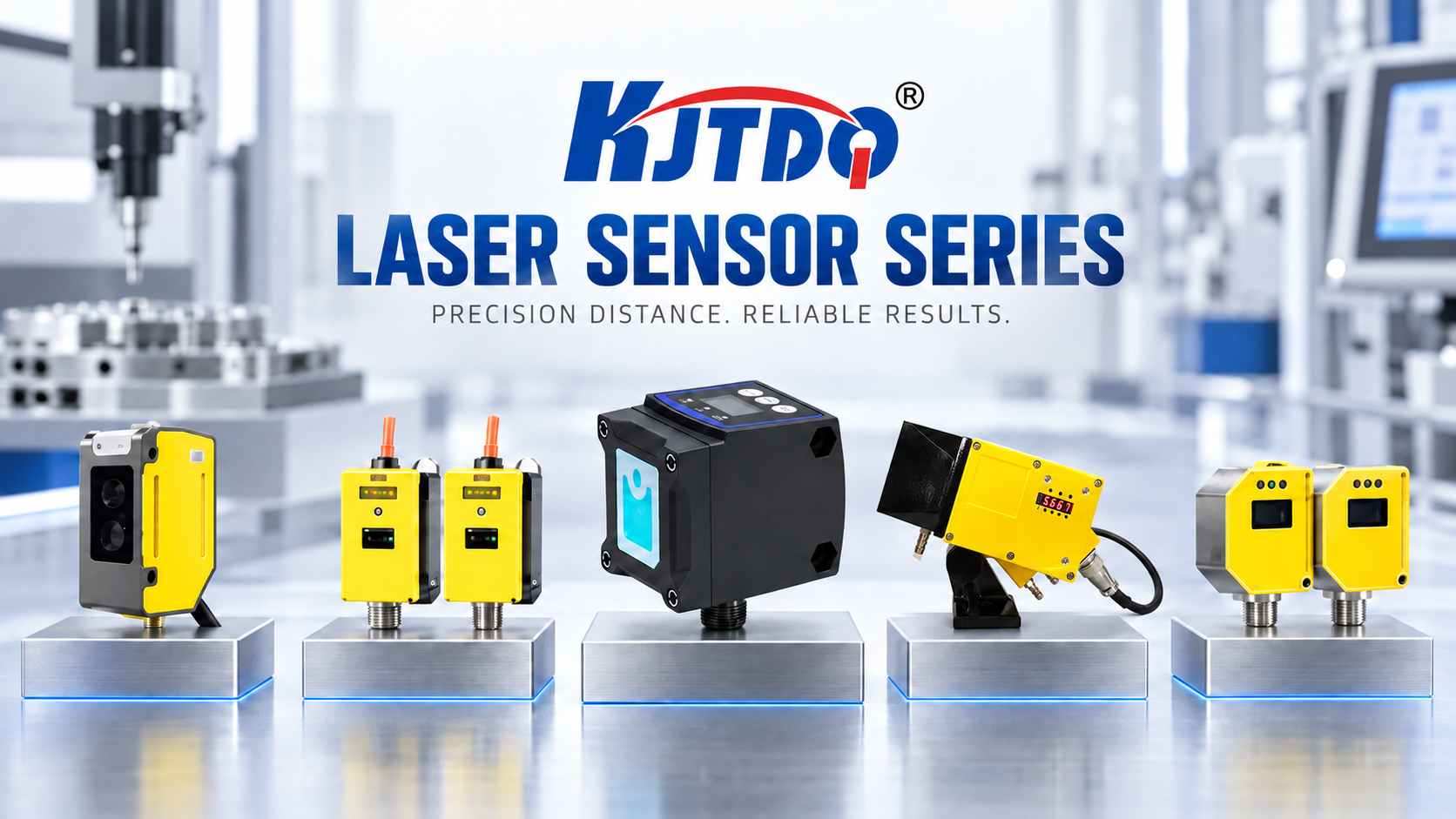
In the rapidly evolving landscape of industrial automation, the demand for reliable, high-precision measurement tools is paramount. The DT1000-S11112 laser sensor stands as a pivotal solution, engineered to meet the rigorous demands of modern manufacturing, quality control, and robotic guidance systems. This device exemplifies the integration of advanced laser technology with robust industrial design, offering unparalleled accuracy in non-contact measurement.
The core of the DT1000-S11112's capability lies in its sophisticated laser triangulation principle. By projecting a focused laser beam onto a target surface and analyzing the position of the reflected light on a high-resolution CMOS detector, the sensor calculates distance with exceptional precision. This method allows for measurements that are immune to the inconsistencies and wear associated with physical contact probes, ensuring long-term reliability and consistency. The sensor delivers a measuring range tailored for intricate tasks, with resolution down to the micrometer level, making it indispensable for applications requiring fine detail capture.
Operational versatility is a hallmark of the DT1000-S11112. It performs exceptionally across diverse materials and surface conditions, from highly reflective metals to dark, absorbent composites. Advanced internal algorithms compensate for varying surface textures and colors, providing stable and accurate readings where other sensors might falter. Its high sampling rate enables real-time monitoring and control in dynamic production lines, such as verifying component thickness, detecting edge positions, or monitoring vibration displacements without interrupting the process flow.
Durability is non-negotiable in industrial environments, and the DT1000-S11112 is built to endure. Housed in a rugged, IP67-rated enclosure, it is resistant to dust, water jets, and common industrial contaminants like oil mist. This robust construction ensures stable operation in challenging settings, from automotive assembly plants to food and beverage packaging lines. The sensor's design also incorporates temperature compensation circuitry, maintaining measurement integrity despite fluctuations in ambient temperature, a common challenge in factory settings.
Integration into existing automation ecosystems is streamlined through multiple output options, including analog voltage/current and digital interfaces like RS-485 or IO-Link. This connectivity facilitates seamless communication with Programmable Logic Controllers (PLCs), human-machine interfaces (HMIs), and central control systems. The intuitive configuration software allows engineers to quickly set parameters, establish tolerance windows, and create logic for pass/fail judgments, minimizing setup time and accelerating deployment.
A key application area is in automated quality assurance. The DT1000-S11112 can be deployed to measure critical dimensions, such as the height of solder paste on circuit boards, the warp of silicon wafers, or the gap between assembled parts. Its speed and accuracy help prevent defective products from proceeding down the line, reducing waste and ensuring compliance with strict quality standards. In robotic systems, it serves as the "eyes" for precise positioning, enabling robots to pick, place, or assemble components with sub-millimeter accuracy, enhancing flexibility and productivity.
The adoption of the DT1000-S11112 laser sensor translates directly into operational efficiency and cost savings. By enabling 100% inline inspection instead of sporadic manual sampling, it drastically reduces the risk of batch failures and costly recalls. Its maintenance-free design and long service life lower the total cost of ownership. Furthermore, the data it generates can be fed into analytics platforms for predictive maintenance and process optimization, driving continuous improvement in manufacturing intelligence.
In conclusion, the DT1000-S11112 laser sensor is more than just a measurement device; it is a critical enabler of precision, efficiency, and intelligence in the automated factory. Its combination of high accuracy, environmental resilience, and easy integration addresses the core challenges faced by industries striving for excellence in the Fourth Industrial Revolution. For engineers and system integrators seeking a dependable solution for non-contact measurement, this sensor represents a strategic investment in building smarter, more responsive, and more competitive manufacturing operations.