check

check

check

check
check
check
check
check

check

check
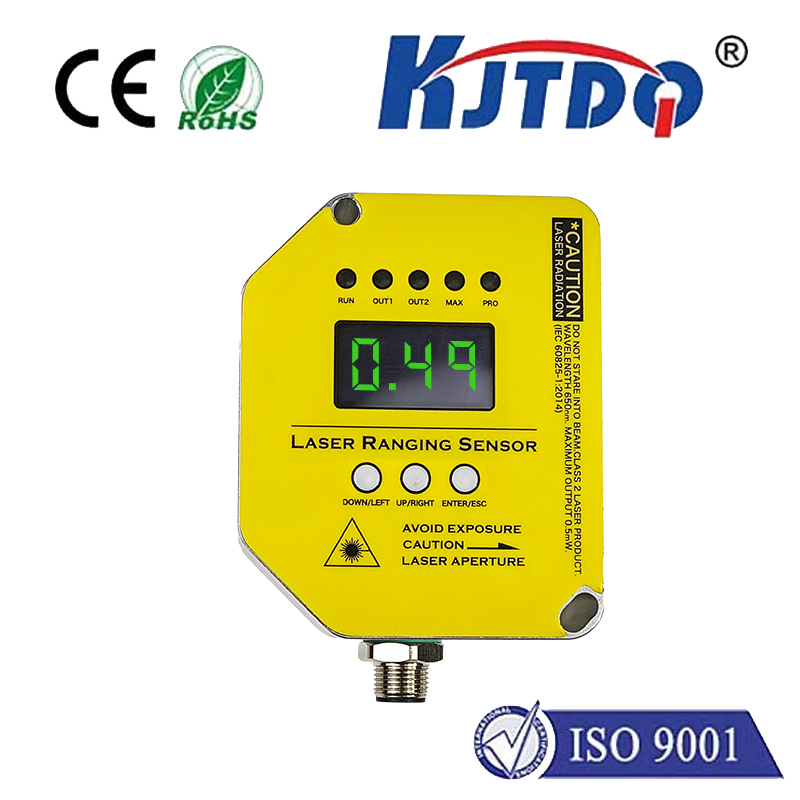
In the demanding world of industrial automation and quality control, achieving unparalleled precision is not just a goal—it's a necessity. The OD7000-10061032 laser sensor emerges as a cornerstone technology for engineers and system integrators seeking reliable, high-accuracy measurement solutions. This comprehensive guide delves into the core functionalities, technical specifications, and diverse applications of this advanced sensor, providing essential insights for professionals across various sectors.
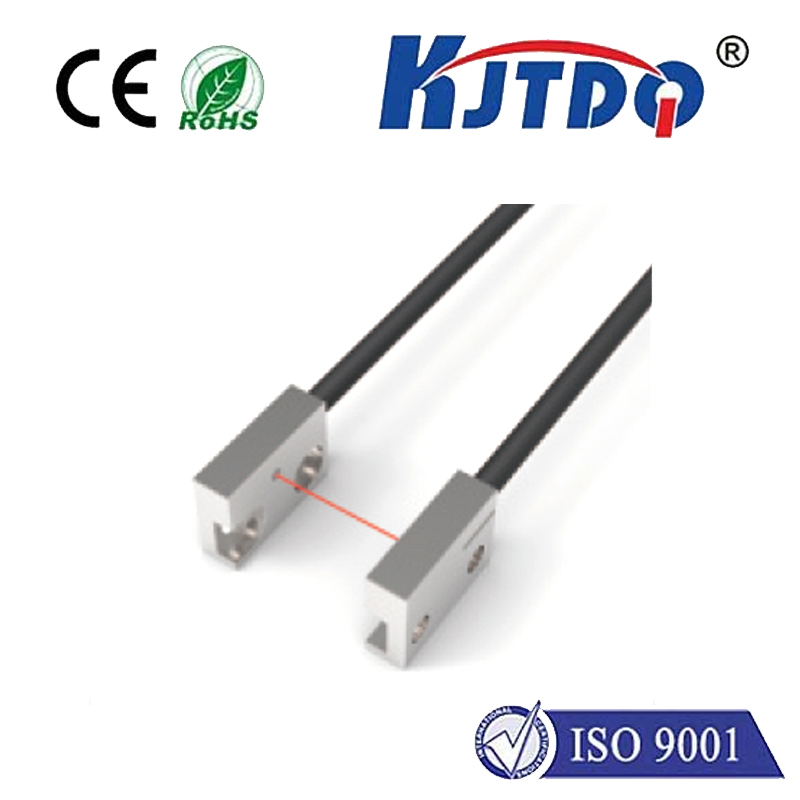
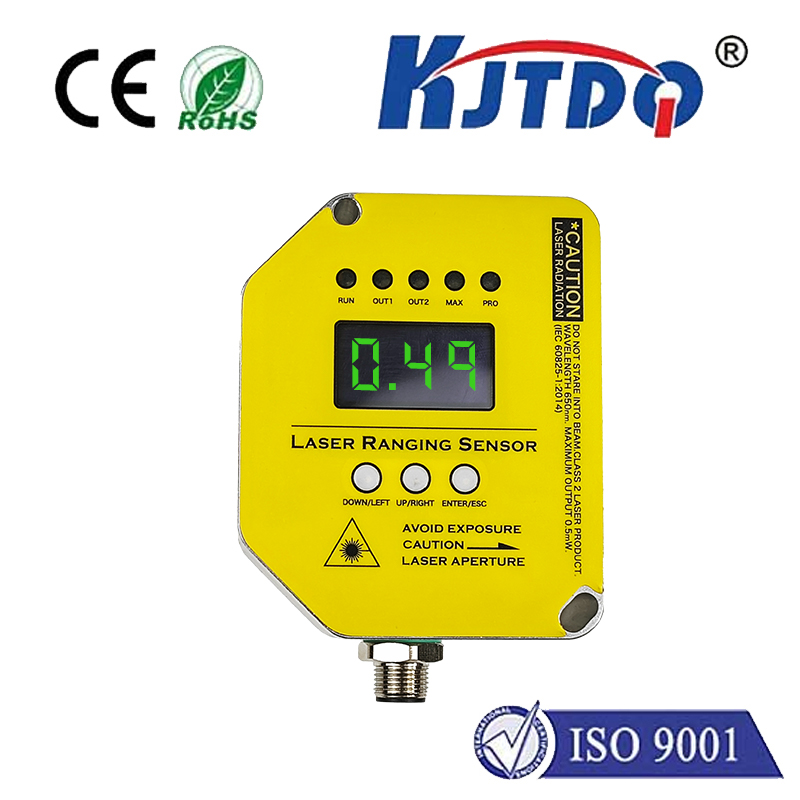
At its heart, the OD7000-10061032 is a state-of-the-art laser displacement sensor designed for non-contact measurement. It operates on the principle of triangulation, where a focused laser beam is projected onto the target surface. The reflected light is captured by a high-resolution receiver, and the precise position of the light spot is calculated to determine the distance to the object with exceptional accuracy. This method allows for measurements that are immune to the wear and tear associated with physical contact probes, ensuring long-term stability and repeatability.
The technical prowess of the OD7000-10061032 is defined by its impressive specifications. It typically offers a measuring range suitable for a wide array of tasks, from minute component inspection to larger profile scanning. Key performance indicators include a high sampling rate, enabling real-time monitoring of fast-moving production lines, and a resolution in the micrometer range, crucial for detecting the slightest deviations in thickness, height, or position. Its robust housing is often rated for industrial environments, providing resistance to dust, moisture, and vibration, which is vital for consistent operation in challenging conditions such as automotive manufacturing or metal processing plants.
One of the standout features of this sensor series is its versatility in application. In the electronics industry, the OD7000-10061032 is indispensable for measuring solder paste height, component coplanarity, and PCB warpage. Within automotive assembly, it ensures precise gap and flush measurements between body panels, contributing to superior build quality. Furthermore, in roll diameter monitoring, thickness gauging of continuous materials, and robotic guidance systems, this laser sensor provides the critical data needed for process optimization and automated control. Its ability to measure on various surfaces, including shiny metals, dark plastics, and even transparent materials (with specialized models or settings), makes it an incredibly flexible tool.
Integration into existing systems is streamlined through multiple interface options. The OD7000-10061032 commonly supports analog outputs (e.g., 0-10V, 4-20mA) for direct connection to PLCs (Programmable Logic Controllers) and digital communication protocols like RS-422 or Ethernet/IP. This connectivity facilitates seamless data transfer to supervisory systems for analysis, logging, and closed-loop process adjustment. Many models also come with intuitive configuration software, allowing users to easily set measurement modes, define tolerance windows, and create custom application profiles without extensive programming knowledge.
When selecting a laser sensor like the OD7000-10061032, several practical considerations come into play. The target material's color, texture, and reflectivity can influence measurement stability, often necessitating parameter adjustments or the use of specialized filters. Environmental factors such as ambient light, temperature fluctuations, and airborne contaminants must also be evaluated to ensure optimal sensor performance. Proper mounting, alignment, and periodic calibration are fundamental maintenance practices that preserve measurement integrity over time.
Looking ahead, the integration of laser sensors with Industry 4.0 frameworks is becoming standard. The data generated by the OD7000-10061032 can feed into predictive maintenance algorithms and digital twin models, driving efficiency and minimizing unplanned downtime. Its role in enabling precise robotic vision and adaptive manufacturing cells underscores its importance in the smart factories of the future.
In conclusion, the OD7000-10061032 laser sensor represents a critical investment for any operation where precision measurement directly impacts product quality, yield, and operational efficiency. By understanding its operating principles, leveraging its technical capabilities, and applying it to suitable applications, engineers can unlock new levels of automation accuracy and process control.