check

check

check

check

check

check
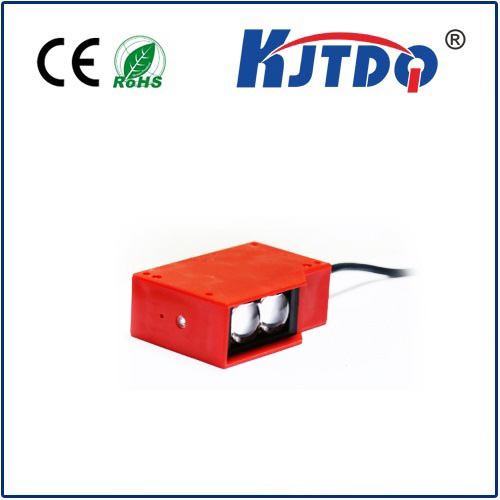
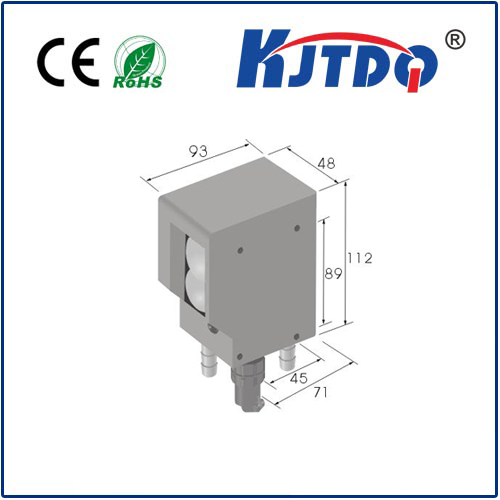
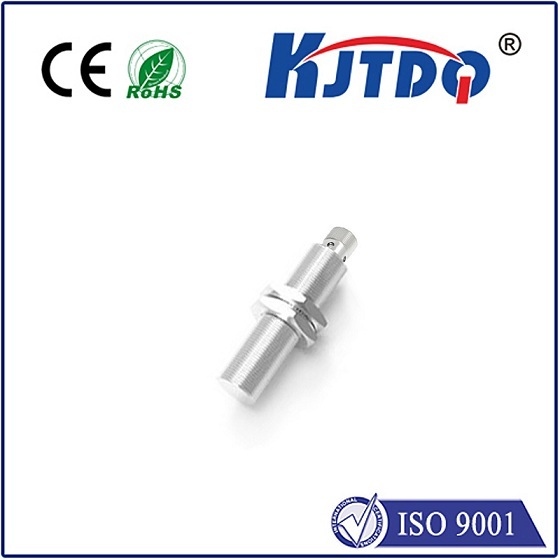
In the rapidly evolving landscape of industrial automation, the demand for reliable, high-precision sensing technology has never been greater. The OMH554 laser sensor stands out as a pivotal component in this technological revolution, offering unparalleled accuracy and robustness for a wide array of applications. This advanced sensor is engineered to meet the rigorous demands of modern manufacturing, logistics, and quality control processes.
The core technology behind the OMH554 utilizes a focused laser beam to detect the presence, position, or displacement of objects with micron-level precision. Unlike traditional photoelectric or ultrasonic sensors, the laser-based measurement principle ensures minimal interference from ambient light, dust, or varying surface textures. This makes the OMH554 exceptionally reliable in challenging environments such as assembly lines with high particulate matter or outdoor installations subject to changing weather conditions. Its ability to deliver consistent readings translates directly into reduced downtime and fewer production errors.
One of the key features of the OMH554 laser sensor is its remarkable measuring range and response time. Capable of detecting objects from several centimeters to multiple meters away, it provides flexibility for diverse setup configurations. The high-speed response enables real-time monitoring and control, which is critical for high-throughput operations like packaging, sorting, and robotic guidance. In robotic arms, for instance, the OMH554 ensures precise positioning for pick-and-place tasks, enhancing both speed and safety.
Durability is another cornerstone of the OMH554 design. Housed in a rugged, often IP67-rated enclosure, it is resistant to water, oil, and mechanical shocks. This robust construction ensures a long operational lifespan even in harsh industrial settings, reducing maintenance costs and total cost of ownership. The sensor typically features easy integration with existing control systems via standard output interfaces like PNP/NPN, analog voltage, or IO-Link for digital communication and parameterization.
The application spectrum for the OMH554 is vast. In the automotive industry, it is used for gap and flush measurement on vehicle bodies. In electronics manufacturing, it verifies component placement on circuit boards. Within logistics, it assists in dimensioning parcels and controlling conveyor belt flow. Furthermore, its precision is leveraged in quality assurance to check for defects, thickness variations, or alignment, ensuring that only products meeting strict specifications proceed down the line.
Implementing the OMH554 laser sensor often leads to significant operational improvements. By providing accurate, non-contact measurement, it minimizes product damage and waste. The data it generates can be fed into supervisory systems for predictive maintenance and process optimization, contributing to the broader framework of Industry 4.0 and smart factory initiatives. Its reliability helps manufacturers achieve higher levels of automation, consistency, and ultimately, profitability.
Choosing the right sensor is crucial for system performance. The OMH554 distinguishes itself through a combination of precision, speed, and resilience. When selecting a sensor, engineers consider factors like the required resolution, the environmental conditions, and the necessary communication protocols. The OMH554 is frequently specified for applications where these factors are critical, proving to be a versatile and dependable solution.
In conclusion, the integration of advanced sensing technology like the OMH554 laser sensor is fundamental to enhancing modern industrial operations. Its ability to deliver precise, reliable data under tough conditions makes it an indispensable tool for engineers and system integrators aiming to boost efficiency, ensure quality, and drive innovation in automated processes. As industries continue to push the boundaries of productivity, such technologies will remain at the forefront, enabling smarter and more responsive manufacturing ecosystems.