check

check

check

check

check

check
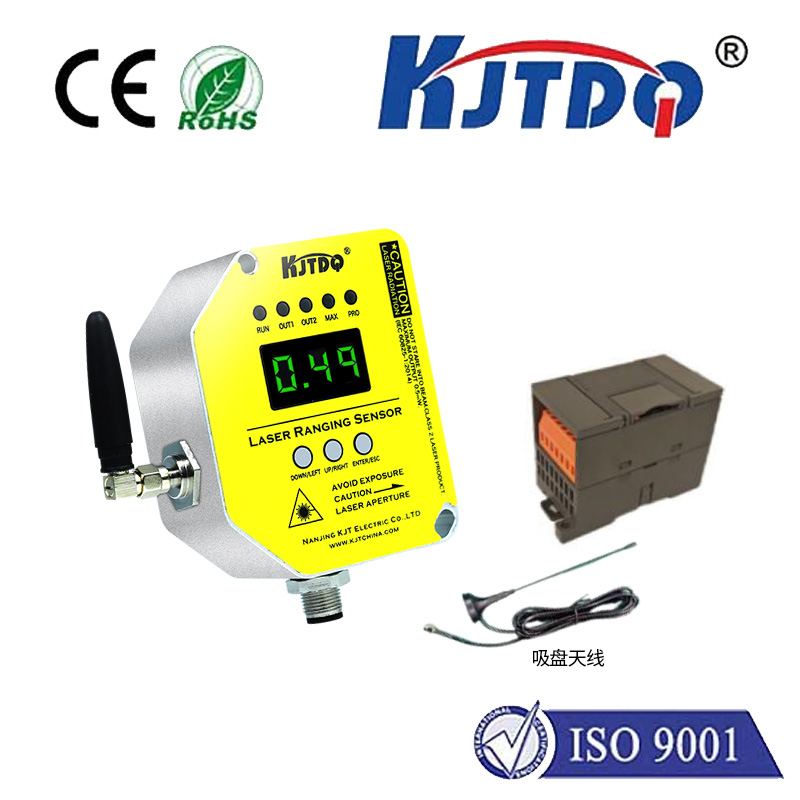
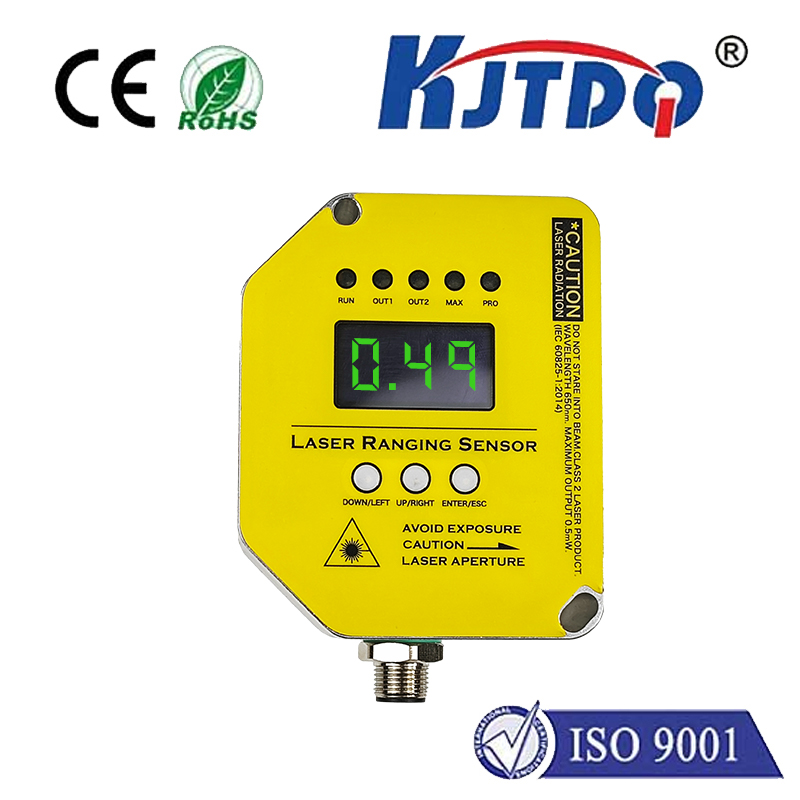
In the rapidly evolving landscape of industrial automation, the demand for reliable, high-precision measurement solutions is paramount. The LR-ZB100N laser sensor stands as a testament to engineering excellence, designed to meet the rigorous demands of modern manufacturing, logistics, and quality control environments. This device is not merely a component; it is a critical enabler of efficiency, accuracy, and operational intelligence.
At its core, the LR-ZB100N utilizes advanced laser triangulation technology. This method involves projecting a focused laser beam onto a target object. The reflected light is captured by a high-resolution CMOS receiver at a specific angle. By calculating the displacement of the reflected light spot, the sensor can determine the exact distance to the target with exceptional accuracy. This principle allows for non-contact measurement, which is crucial for inspecting delicate surfaces, high-speed production lines, or objects in motion without causing any wear or damage.
The performance specifications of the LR-ZB100N are tailored for industrial robustness. It offers a high measurement resolution, often in the micrometer range, ensuring that even the smallest dimensional variations are detected. Its response speed is remarkably fast, capable of handling thousands of measurements per second, making it ideal for dynamic processes on conveyor belts or robotic assembly stations. Furthermore, the sensor typically features a wide measuring range and is equipped with sophisticated algorithms to compensate for variations in target color, reflectivity, and surface texture, providing stable readings across diverse materials from shiny metals to dark, absorbent plastics.
Practical applications for the LR-ZB100N are vast and varied. In automotive manufacturing, it is deployed for precise gap and flush measurement between body panels, ensuring perfect fit and finish. Within the electronics industry, it verifies the coplanarity of chip leads or the height of components on a PCB. In packaging, it monitors fill levels, checks seal integrity, and controls the thickness of materials. Its ability to perform edge detection, presence sensing, and profile scanning makes it a versatile tool for automated guidance, sorting systems, and robotic vision.
Integration into existing systems is streamlined through multiple output options. The sensor commonly provides analog outputs (e.g., 0-10V, 4-20mA) for continuous distance data and digital outputs (e.g., NPN/PNP) for switch-like control based on set thresholds. Communication via IO-Link is increasingly standard, enabling detailed parameter configuration, real-time diagnostics, and seamless data exchange with PLCs and higher-level control systems. This connectivity is vital for Industry 4.0 initiatives, facilitating predictive maintenance and data-driven process optimization.
Operational reliability is a cornerstone of the LR-ZB100N design. Housed in a rugged, often IP67-rated enclosure, it withstands exposure to dust, moisture, oil mist, and mechanical vibrations common in factory settings. Advanced temperature compensation circuits ensure measurement stability across a broad operating temperature range. Users benefit from intuitive setup tools, such as teach-in functions via push buttons or software, allowing for quick calibration and adaptation to new tasks without extensive programming knowledge.
When compared to other sensing technologies like ultrasonic or inductive sensors, the LR-ZB100N laser sensor provides superior precision, smaller spot size, and faster response. While photoelectric sensors are cost-effective for simple presence detection, the LR-ZB100N delivers exact quantitative data, enabling true process control rather than just binary detection.
In conclusion, the LR-ZB100N laser sensor represents a pivotal technology for enhancing quality, productivity, and automation intelligence. Its combination of non-contact precision, high speed, environmental durability, and smart connectivity addresses the core challenges faced by engineers and production managers. By delivering trustworthy micrometer-level data in real-time, it empowers systems to make informed decisions, reduce waste, and maintain consistent output quality, solidifying its role as an indispensable asset in the smart factory of today and tomorrow.