check

check

check

check

check

check
In the fast-paced world of industrial automation and quality control, achieving consistent, high-precision measurements is not just an advantage—it's a necessity. This is where advanced sensing technology steps in, bridging the gap between mechanical processes and digital accuracy. The HG-C1200 laser sensor represents a significant leap forward in this domain, offering engineers and system integrators a robust and reliable tool for a multitude of challenging applications.
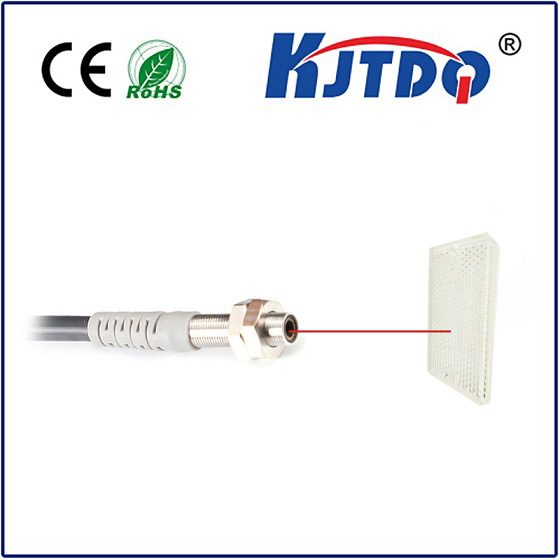
Unlike conventional sensors that may struggle with varying surface conditions, colors, or materials, the HG-C1200 utilizes a focused laser beam to deliver exceptional performance. Its core principle is based on the triangulation method. The sensor emits a precise laser spot onto the target object. The reflected light is then captured by a high-resolution receiving element at a specific angle. By calculating the position of this reflected spot, the sensor determines the exact distance to the target with remarkable accuracy. This method provides inherent stability and resistance to ambient light interference, a common challenge in factory environments.
The specifications of the HG-C1200 are engineered for demanding scenarios. It typically offers a measuring range suitable for precise gap, height, or thickness detection, with resolution in the micron range. High repeatability ensures that every measurement is consistent, which is critical for statistical process control (SPC) and preventing production defects. Furthermore, its response speed is fast enough to keep up with high-throughput production lines, making it ideal for real-time inspection and sorting tasks.
One of the standout features of this sensor is its versatility across different materials. Whether the target is a glossy metal surface, a dark rubber component, a transparent glass sheet, or an uneven textured material, the HG-C1200 can be configured and calibrated to provide stable readings. This eliminates the need for multiple sensor types for different products, simplifying inventory and reducing system complexity. Advanced models often include sophisticated algorithms to filter out noise and handle difficult surfaces, ensuring data integrity.
Integration into existing systems is straightforward. The HG-C1200 typically provides multiple output options, such as analog voltage/current, digital switches (NPN/PNP), and serial communication protocols like RS-485. This flexibility allows it to connect seamlessly with PLCs, data loggers, and industrial PCs. The robust housing, often rated with a high IP grade for dust and water resistance, ensures reliable operation even in harsh conditions found in machining, automotive assembly, or electronics manufacturing plants.
Practical applications are vast. In the automotive industry, it can be used to verify the precise placement of components on an engine block or measure the gap between a car door and its frame. In electronics manufacturing, it ensures the correct height of mounted components on a PCB. In packaging, it verifies fill levels or checks for lid presence. In metalworking, it monitors tool wear or measures the thickness of rolled materials. The ability to perform non-contact measurement also means there is no risk of damaging delicate products.
When selecting a sensor like the HG-C1200, key considerations include the required measuring range, the desired accuracy, the environmental conditions (temperature, dust, vibrations), and the material properties of the target objects. Proper installation is also crucial; ensuring a stable mount and correct alignment to the target surface maximizes performance and longevity. Regular maintenance, primarily keeping the lens clean from oil or dust buildup, is a simple yet vital practice.
The implementation of such a precise measurement tool directly impacts operational efficiency and product quality. It enables proactive process adjustments, reduces material waste from errors, and minimizes costly rework or recalls. By providing quantifiable, reliable data, it forms the backbone of modern Industry 4.0 and smart factory initiatives, where data-driven decisions optimize the entire production lifecycle.
In conclusion, for professionals seeking to enhance measurement reliability and precision in their operations, the HG-C1200 laser sensor stands as a proven technological solution. Its combination of accuracy, speed, material versatility, and rugged design addresses the core challenges of modern industrial measurement. By integrating this capability, businesses can build a stronger foundation for quality assurance, operational excellence, and sustained competitiveness in a global market.