check

check

check

check

check

check
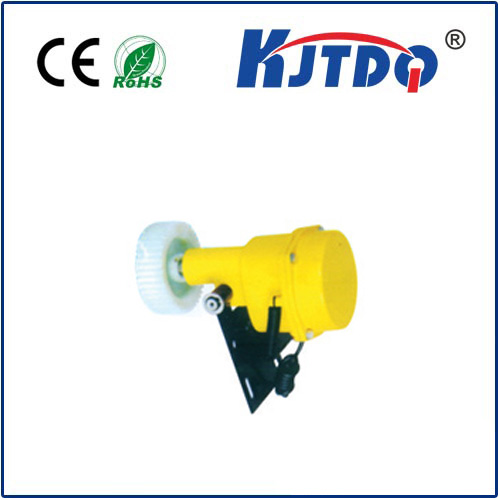
In industrial environments where safety is paramount, the HQLA-R0320ZM/LY pull cord switch stands as a critical component of emergency stop systems. This robust safety device is engineered to provide a reliable and immediate means of halting machinery or conveyor belts in the event of an emergency, protecting both personnel and equipment from potential harm. Its design and functionality cater specifically to the demanding conditions found in mining operations, material handling facilities, packaging plants, and long conveyor run applications.
The core principle of the HQLA-R0320ZM/LY is straightforward yet highly effective. It is typically installed along the length of a conveyor or beside hazardous machinery. A sturdy, durable cable—the pull cord—runs parallel to the equipment. In an emergency, any operator along the line can quickly pull this cord. This action mechanically actuates the switch, instantly breaking the electrical safety circuit and sending a stop signal to the motor control center. This "fail-safe" design ensures that a broken cable or loss of power also results in a safe shutdown, preventing uncontrolled operation.
What sets the HQLA-R0320ZM/LY model apart are its specific features designed for longevity and reliability. The housing is often constructed from high-grade, corrosion-resistant materials like aluminum or stainless steel, offering protection against dust, moisture, and mechanical impact common in industrial settings. The internal switching mechanism is built for millions of operations, ensuring consistent performance over time. Many models feature a highly visible, brightly colored actuator and cable for easy identification. A key functional aspect is the manual reset mechanism; after activation, the switch must be physically reset by an authorized person, ensuring the cause of the emergency is addressed before machinery restarts, preventing automatic and potentially dangerous re-starts.
Installation and maintenance are crucial for optimal performance. The switch should be mounted at an accessible height and location, with the pull cord tension properly adjusted according to the manufacturer's specifications—neither too loose nor too tight. Regular inspection routines are mandatory. These checks should include verifying the physical condition of the cable for fraying or damage, testing the emergency stop function (often through a designated test procedure), ensuring the reset mechanism works smoothly, and confirming that all electrical connections remain secure. Keeping a log of these inspections is part of a comprehensive safety protocol.
Beyond basic functionality, integrating the HQLA-R0320ZM/LY into a broader safety system amplifies its effectiveness. It can be connected to programmable logic controllers (PLCs) and supervisory control and data acquisition (SCADA) systems. This integration allows for precise identification of the activation location along a conveyor line, enabling faster response and troubleshooting. Furthermore, its signal can be used to trigger alarms, lock out adjacent equipment, or initiate other safety sequences, creating a layered safety approach.
Choosing the right pull cord switch involves several considerations. The HQLA-R0320ZM/LY's specifications, such as its IP (Ingress Protection) rating for dust and water resistance, the mechanical life expectancy, electrical contact ratings (voltage and current), and the temperature range it can operate within, must align with the specific environmental and operational demands of the application. Compliance with international safety standards, such as IEC 60204-1 or specific regional certifications, is non-negotiable to ensure the device meets rigorous safety benchmarks.
In conclusion, the HQLA-R0320ZM/LY pull cord switch is far more than a simple emergency button; it is a vital, engineered safety interface between human operators and powerful industrial machinery. Its reliable operation provides a crucial last line of defense, empowering workers to act swiftly in dangerous situations. For facility managers and safety engineers, prioritizing the correct selection, proper installation, and diligent maintenance of these devices is a fundamental responsibility in fostering a culture of safety and preventing catastrophic incidents in the workplace.